
Ukraine, Russia and US Begin Trilateral Peace Talks in Abu Dhabi to End War
· 160 views
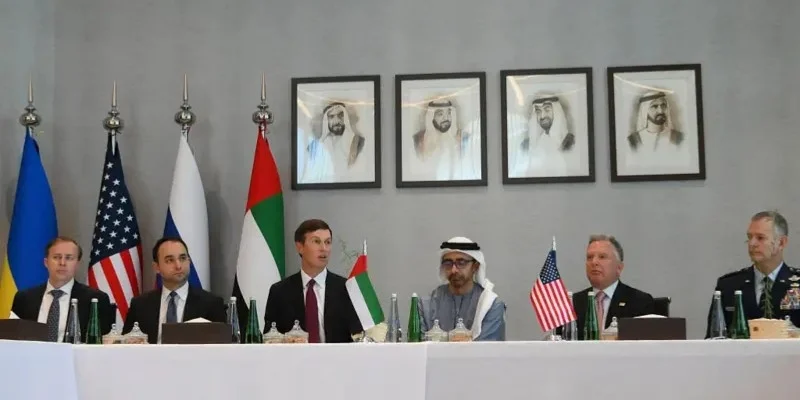
ABU DHABI (Terror Monitor) — Trilateral negotiations involving Ukraine, Russia and the United States aimed at ending the war in Ukraine began in Abu Dhabi on Tuesday, November 10, with territorial disputes, post-war security guarantees and the future European security framework emerging as key issues.
The talks, being mediated by US President Donald Trump's administration, mark the first direct trilateral negotiations between the three countries since February. The two-day diplomatic initiative is being led by US special envoy Steve Witkoff and Trump's son-in-law Jared Kushner, who are seeking to narrow differences between Moscow and Kyiv and establish a framework for a possible peace agreement.
Despite renewed diplomatic efforts, expectations of a major breakthrough remain limited, as Russia and Ukraine continue to hold sharply conflicting positions over territory, NATO membership and security arrangements following the end of hostilities.
Speaking at the opening of the negotiations, Kushner said recent contacts with both sides had helped Washington identify and narrow some of the differences. He said the United States had developed several ideas to bridge the remaining gaps and that Trump was committed to finding a solution that would bring an end to the war while allowing both countries to pursue their future development.
Kushner said an important part of the process was encouraging all parties to seriously consider their security concerns after the war.
In a message posted on X ahead of the meeting, he wrote that a key part of the process was to encourage everyone involved to begin thinking seriously about the post-war situation.
The American delegation has placed particular emphasis on addressing the security concerns of both Russia and Ukraine, arguing that a lasting settlement would require arrangements acceptable to both sides.
Territorial dispute remains the biggest obstacle
One of the most difficult issues facing negotiators is the future of Ukraine's eastern Donetsk region, most of which is currently under Russian control.
Moscow is demanding that Ukraine withdraw its remaining forces from the parts of Donetsk still under Kyiv's control. Russia has also maintained its broader demands concerning the four Ukrainian regions it claims to have annexed.
Ukraine, however, has rejected surrendering additional territory and wants the current line of control to be frozen, allowing it to retain the areas still under its administration.
Kyiv considers control of these territories essential to its future national security and has repeatedly rejected any peace settlement that would formally recognise Russian sovereignty over occupied Ukrainian land.
According to US officials cited in media reports ahead of the negotiations, both Moscow and Kyiv have privately demonstrated "a little bit of flexibility" regarding the future control of eastern Ukrainian territories, despite maintaining uncompromising public positions.
Washington is reportedly hoping to use this limited flexibility to develop a possible compromise, although neither side has publicly announced a change in its territorial demands.
Security guarantees and NATO membership
Another major point of disagreement concerns Ukraine's security arrangements after the war.
Kyiv wants strong, long-term international security guarantees to prevent another Russian invasion. Ukrainian officials have repeatedly argued that any peace agreement must ensure that Russia cannot resume military operations after a temporary ceasefire.
Ukraine has also sought guarantees resembling NATO's collective defence commitments, under which an attack against one member could trigger assistance from other members.
Moscow, meanwhile, opposes Ukraine's membership of NATO and has demanded that Kyiv abandon its ambition to join the military alliance. Russia has also called for restrictions on Ukraine's military capabilities and raised concerns about NATO's expansion and the deployment of Western forces near its borders.
US Secretary of State Marco Rubio has indicated that any post-war security arrangements must be acceptable to Russia as well as Ukraine if they are to form the basis of a lasting settlement.
The American administration is therefore attempting to find a security formula that would provide Ukraine with sufficient protection while addressing Moscow's objections.
Europe seeks a place in negotiations
European governments have expressed concern that Washington and Moscow could reach an agreement on the future security of Europe without adequately involving European countries.
France, Britain and Germany have insisted that European governments must have a role in discussions concerning the continent's security architecture.
French Foreign Minister Jean-Noël Barrot has stressed that France, Britain and Germany would be represented in the diplomatic process.
Representatives from the European Union, NATO, Italy and other European partners are also in Abu Dhabi, where they are holding consultations with American and Ukrainian officials.
Before the trilateral meeting, Kushner and Witkoff met Ukrainian, European and NATO representatives to coordinate positions and discuss the next phase of negotiations.
However, Russia has indicated that it does not want European representatives directly involved in the trilateral discussions at this stage. Moscow argues that broader European security arrangements should be a central part of the negotiations rather than treating the Ukraine conflict as an isolated issue.
A source in the Russian delegation told Reuters that Moscow considers the creation of a comprehensive and indivisible European security framework the main objective of the discussions.
The Russian position suggests that Moscow wants negotiations to address its wider security demands, including the future relationship between Russia, NATO and European countries.
Russian and Ukrainian delegations
The Russian delegation is led by presidential aide Vladimir Medinsky and includes senior diplomatic, military and intelligence officials.
Ukraine is represented by a delegation led by Rustem Umerov, head of its Foreign Intelligence Service, alongside senior officials including presidential chief of staff Kyrylo Budanov and other representatives involved in national security and diplomatic affairs.
The composition of the delegations reflects the importance both countries attach to the negotiations, particularly discussions involving territorial arrangements, military security and the implementation of any future agreement.
First round concludes, further talks scheduled
The first round of trilateral negotiations concluded on Tuesday after more than four hours of discussions, according to Ukraine's delegation. A second day of negotiations is scheduled for Wednesday.
US Secretary of State Marco Rubio described the discussions as productive and said European countries would eventually need to be included in the negotiating process because they were an important part of resolving the conflict.
According to Agence France-Presse (AFP), Kushner said Washington had narrowed differences between the two sides, although he did not disclose specific details of any proposed compromises.
The Associated Press (AP) reported that the negotiations were focused on security guarantees for both countries, while significant disagreements over territorial concessions and the future of Ukraine's military alignment remain unresolved.
Meanwhile, Reuters reported that Russian forces continue to hold approximately one-fifth of Ukrainian territory, underscoring the scale of the territorial dispute confronting negotiators.
The diplomatic initiative is taking place against the backdrop of continued fighting. Russian attacks on Ukrainian energy infrastructure have caused casualties and power disruptions, while Ukrainian drone operations have continued targeting Russian military and energy-related facilities.
Trump seeks diplomatic breakthrough
President Trump has repeatedly expressed optimism about the possibility of ending the war and has intensified diplomatic efforts to bring Moscow and Kyiv closer to an agreement.
The latest Abu Dhabi negotiations represent another major attempt by Washington to secure a settlement after previous rounds of US-mediated discussions earlier this year failed to produce a breakthrough.
However, the differences over occupied territories, Ukraine's future relationship with NATO, international security guarantees and Europe's role in the post-war order remain substantial.
Although American officials believe that some room for compromise exists, it remains unclear whether the latest diplomatic initiative can translate into concrete concessions from either side or produce an agreement capable of ending the conflict.
For now, the second day of negotiations is expected to provide a clearer indication of whether Washington can turn the renewed diplomatic engagement into meaningful progress towards ending Russia's war against Ukraine.
Related Articles
Russia-Ukraine Talks in Abu Dhabi End Without Breakthrough, but Prisoner Swap Agreed
Russia and Ukraine Agree to Largest Prisoner Exchange After Abu Dhabi Peace Talks, No Breakthrough on War Ending
Iran Rules Out Transfer of Enriched Uranium Abroad, Threatens US Bases as Tehran Demands UN Action Over $20 Million Reward
Iran has ruled out transferring any enriched uranium abroad, including to Russia, and warned that renewed US military attacks would trigger strikes against American bases worldwide. Tehran has also urged the UN to condemn Washington's $20 million reward for intelligence on Iran's nuclear programme, warning of espionage and sabotage risks.
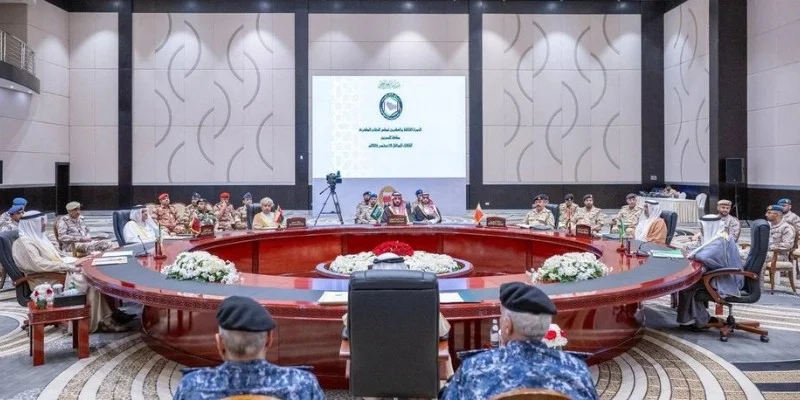
Gulf States Agree to Deploy Joint Forces at New Military Command in Kuwait Amid Iran War
The six Gulf Cooperation Council (GCC) states have agreed to deploy military forces under an expanded joint command structure in Kuwait amid escalating tensions with Iran. The move aims to strengthen regional defence coordination and protect Gulf territories, strategic assets and vital energy infrastructure.
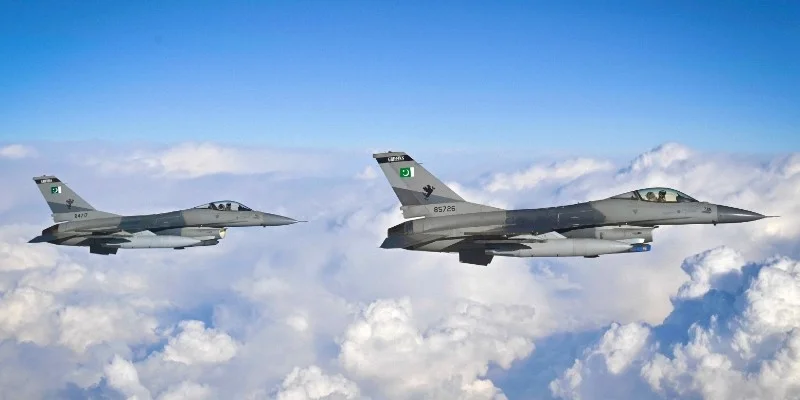
Sanaa Accuses Pakistan of Bombing Yemen Alongside Saudi Arabia, Warns of Serious Consequences
Sanaa has accused Pakistan's military of participating in Saudi-led airstrikes against Yemen on November 6, warning that the alleged involvement of Pakistani fighter jets could damage relations between the two countries. Islamabad has not independently confirmed the allegation.