
Ukraine War: Austria Expels Four Russian Diplomats Over Suspected Espionage Activities
· 37 views
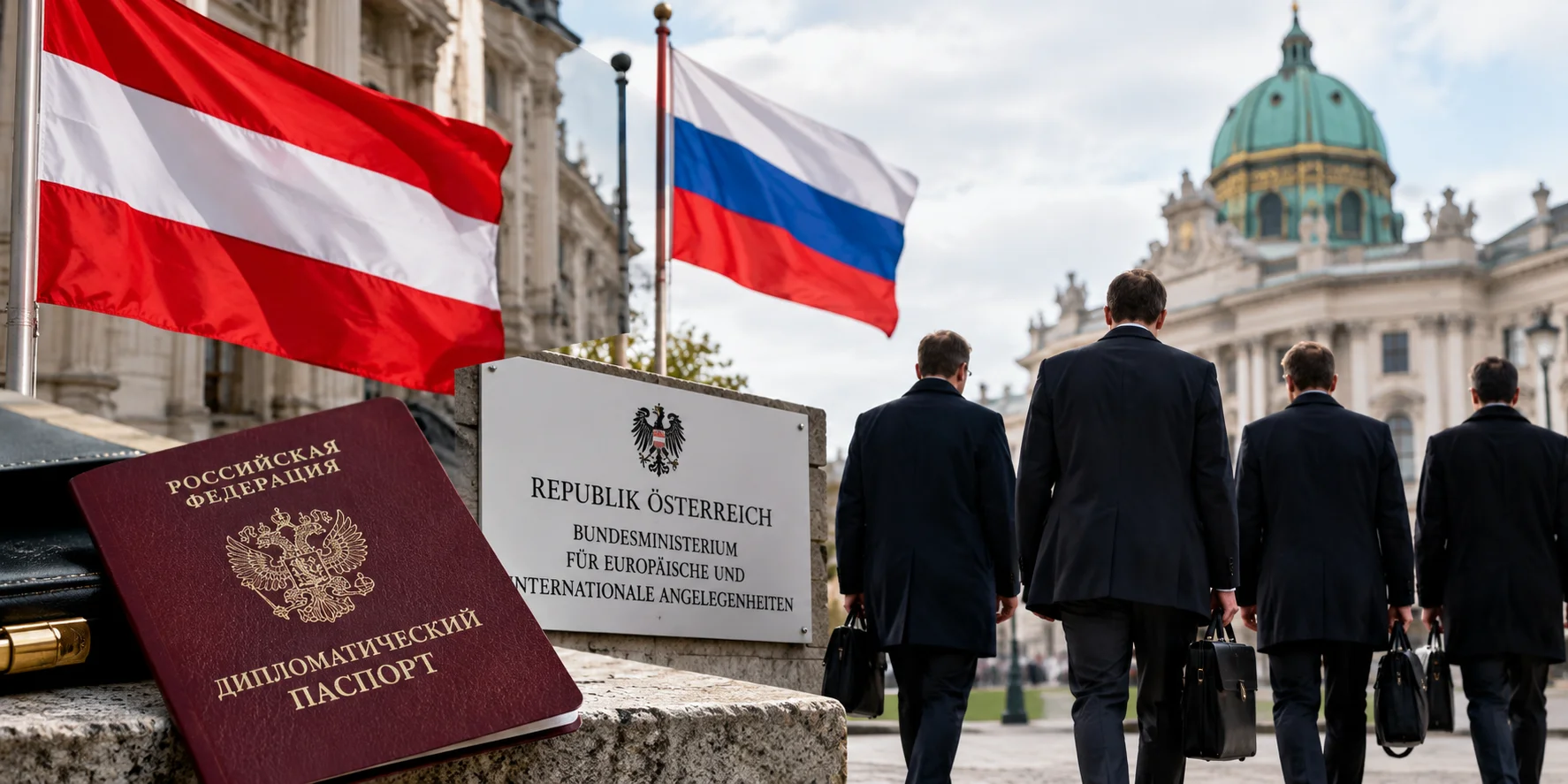
VIENNA (Terror Monitor) — Austria has ordered four Russian diplomats stationed in Vienna to leave the country over activities deemed incompatible with their diplomatic status, a move widely associated with suspected espionage. The decision, announced on Friday, brings the number of Russian diplomats expelled by Austria since 2020 to 18.
Austria’s Foreign Ministry said the decision was based on findings gathered by the country’s security authorities. The four diplomats have been declared persona non grata, a diplomatic designation requiring them to leave the host country.
Three of the diplomats were stationed at the Russian Embassy in Vienna, while the fourth worked at Russia’s delegation to the Organization for Security and Co-operation in Europe (OSCE), where his responsibilities included military security and arms control issues.
In its statement, the Austrian Foreign Ministry said it had taken action against the four diplomats based on information obtained by security authorities. However, the ministry did not publicly disclose detailed evidence or specify the activities allegedly carried out by each individual.
Russia Warns of Retaliation
Moscow has indicated that it intends to respond to Austria’s decision.
Russian Deputy Foreign Minister Dmitry Lyubinsky told the state-run news agency TASS that a response was unavoidable, according to reports by The Associated Press and Reuters.
The Russian Embassy in Vienna also condemned the expulsions, describing them as an unfriendly act and warning that they would be met with an appropriate response.
The latest diplomatic dispute adds to continuing tensions between Russia and European governments, many of which have expelled Russian diplomats since Moscow launched its full-scale invasion of Ukraine in February 2022.
Vienna’s Role as a Centre for International Diplomacy
Vienna has long been considered an important centre for international intelligence activity because of its concentration of diplomatic missions and international organisations.
The Austrian capital hosts several United Nations agencies, the International Atomic Energy Agency (IAEA), the OSCE and other international institutions. The presence of numerous foreign diplomatic missions makes the city an important location for international negotiations but also creates opportunities for intelligence-gathering activities.
According to reporting by The Associated Press, Austria has faced growing concerns about suspected Russian intelligence operations, with security officials warning that diplomatic positions can provide cover for intelligence personnel.
The Austrian government has increasingly called for stronger measures against espionage, particularly activities targeting international organisations based in the country.
Previous Expulsions Over Suspected Surveillance Activities
The latest decision follows an earlier round of expulsions in May, when Austria ordered three Russian diplomats to leave amid concerns about possible espionage involving equipment installed on Russian diplomatic buildings.
At the time, Austrian authorities raised concerns about an extensive network of antennas on the roofs of Russian diplomatic premises in Vienna. Officials said the installations could potentially be used to intercept satellite communications data transmitted by international organisations.
The alleged surveillance activities prompted renewed scrutiny of Russia’s diplomatic presence in Austria and reinforced calls for a tougher response to suspected intelligence operations.
With the four latest expulsions, Austria has now expelled 18 Russian diplomats since 2020, according to Reuters and the Austrian Foreign Ministry.
Austria Maintains Military Neutrality While Supporting Ukraine
Austria’s decision comes despite its longstanding policy of military neutrality.
Although the country does not provide military equipment to Ukraine, its government has politically supported Kyiv since Russia launched its full-scale invasion in 2022. Austria is also a member of the European Union and has participated in the bloc’s broader response to Russia’s actions.
The issue of espionage has become increasingly prominent in Austrian domestic politics. Foreign Minister Beate Meinl-Reisinger and members of her liberal NEOS party have advocated stronger measures against foreign intelligence activities.
Under Austria’s existing legal framework, espionage conducted by foreign intelligence services is punishable when it targets Austrian interests. The government has been working on proposed legislation to extend protections to international organisations operating on Austrian territory.
Diplomatic Tensions Likely to Continue
Austria has not publicly released detailed evidence against the four diplomats, and the Foreign Ministry has not identified them by name. The expulsions therefore remain an administrative diplomatic measure based on findings by Austrian security authorities, rather than a public judicial determination of individual guilt.
Russia’s warning of retaliation raises the possibility of further diplomatic measures between Moscow and Vienna.
The latest episode also highlights the wider tensions between Russia and European governments over intelligence operations, diplomatic privileges and security following the invasion of Ukraine.
Vienna’s position as a major international diplomatic hub means that suspected espionage activities remain a significant concern for Austrian authorities, particularly where international organisations and sensitive security discussions are involved.
Related Articles
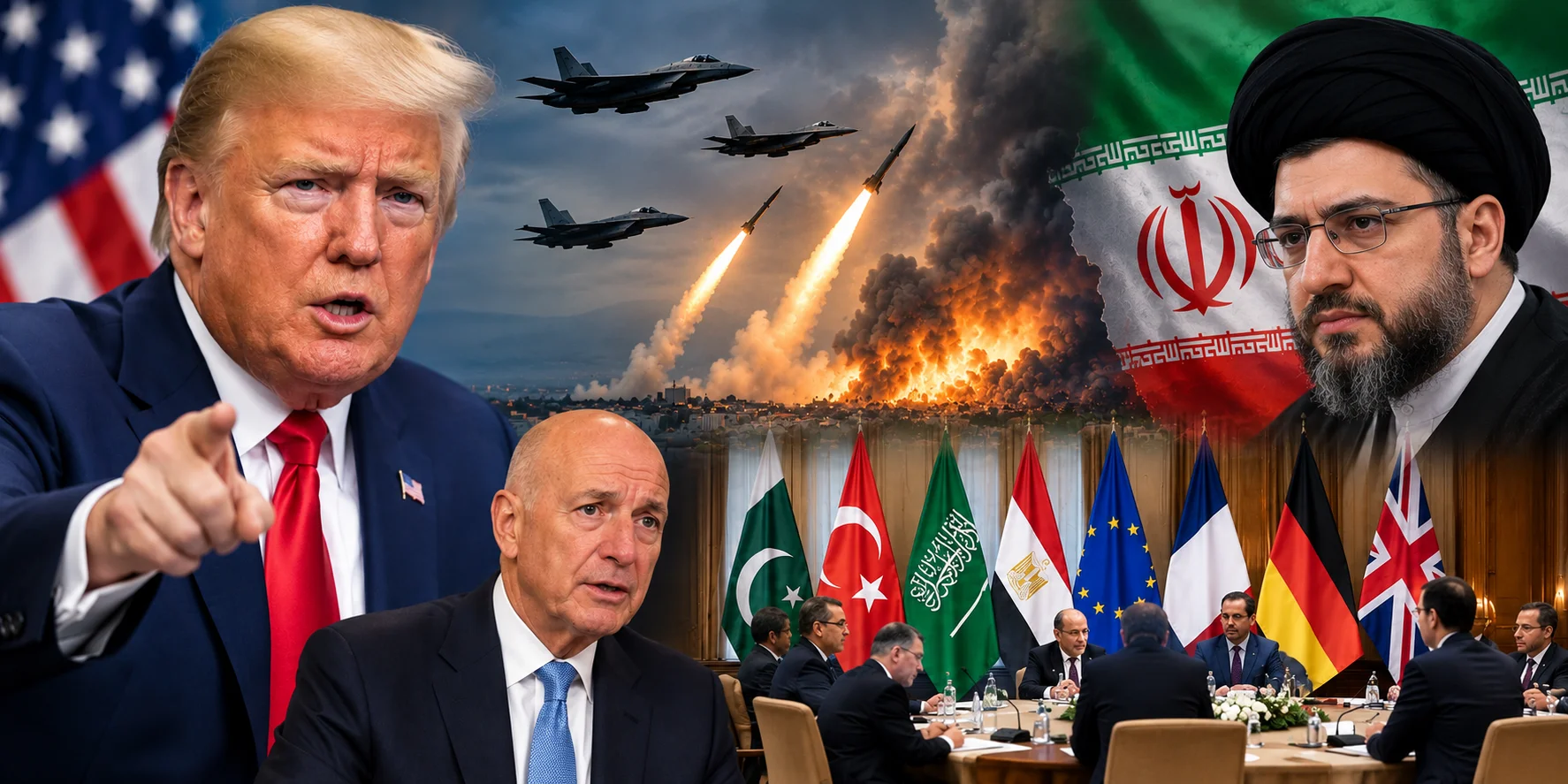
Trump Signals Possible Renewed Strikes on Iran as US Envoy Warns Attack Could Come This Weekend
US President Donald Trump signals possible renewed strikes on Iran as a US envoy warns an attack could come this weekend, while Pakistan, Türkiye and European countries push for diplomacy to prevent further escalation.
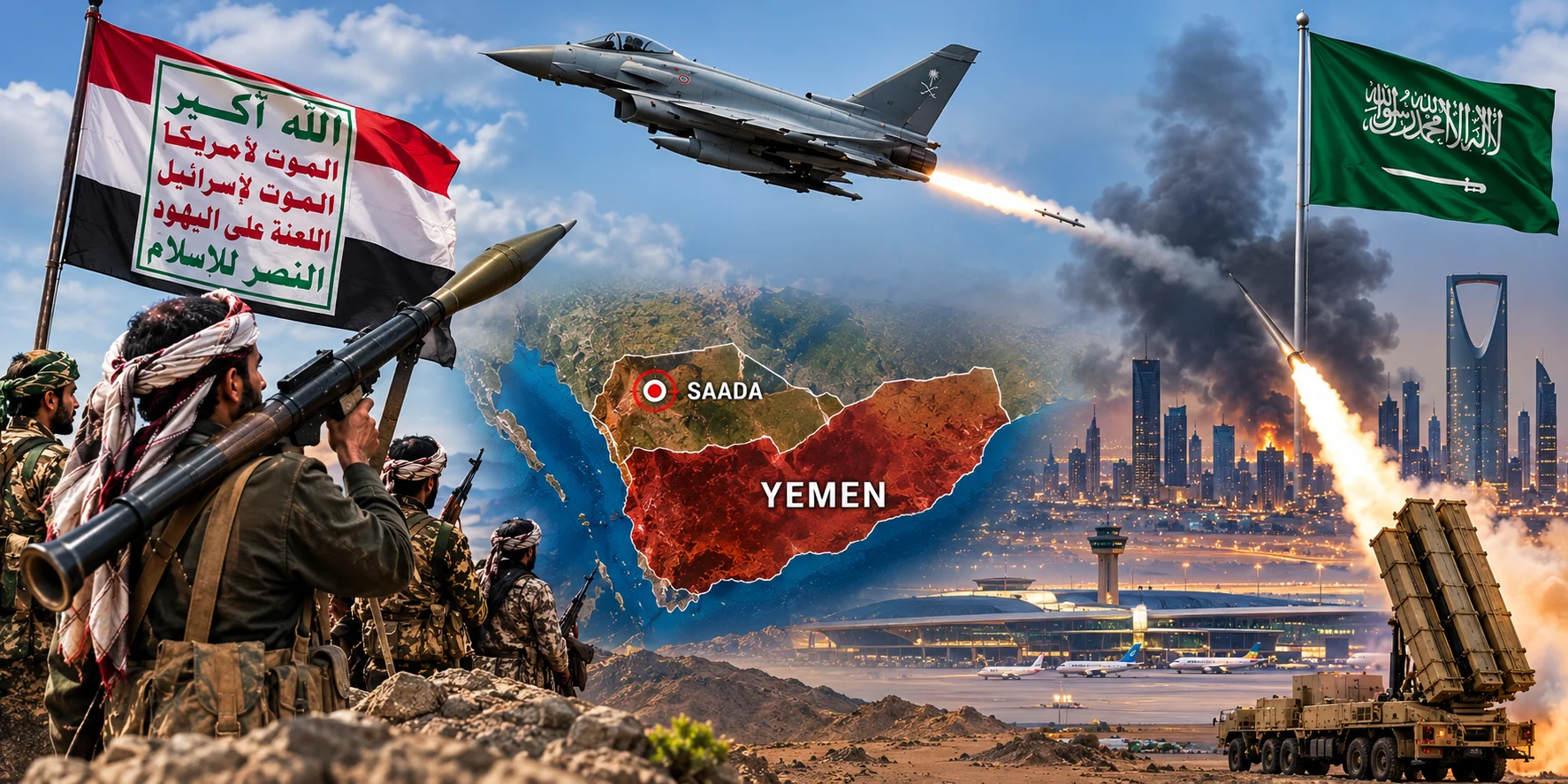
Saudi Coalition Intercepts Houthi Missiles and Drones as Rebels Claim Attacks
Saudi Arabia’s Saudi-led coalition says it intercepted two ballistic missiles and two drones launched by Iran-backed Houthi rebels toward the kingdom. Meanwhile, Houthi military spokesman Yahya Saree claimed attacks on the Saudi Ministry of Defence in Riyadh, King Fahd International Airport, an Aramco facility in Yanbu and Abha International Airport. The claims of successful strikes and damage remain independently unverified.
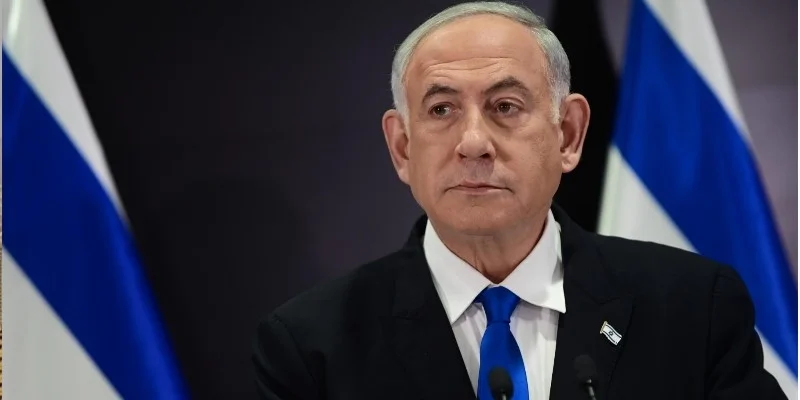
Netanyahu Denies Trump Blocked Planned Israeli Strike on Iran Ahead of US Midterm Elections
Israeli Prime Minister Benjamin Netanyahu has denied reports that US President Donald Trump blocked a planned Israeli attack on Iran on October 10 and 11 ahead of the US midterm elections. Netanyahu dismissed the Financial Times report as incorrect but declined to disclose details of his recent discussions with Trump about Iran.
Iran-Backed Houthis Claim Four Military Operations Inside Saudi Arabia as Coalition Intercepts Drones
Iran-backed Houthi rebels have claimed four military operations inside Saudi Arabia targeting the Ministry of Defense in Riyadh, King Fahd International Airport, an Aramco facility in Yanbu and Abha International Airport. The Saudi-led coalition said it intercepted and destroyed four drones as attacks left people dead and injured.