
US President Trump Could Order Major Strikes on Iran After US and Israeli Elections
· 35 views
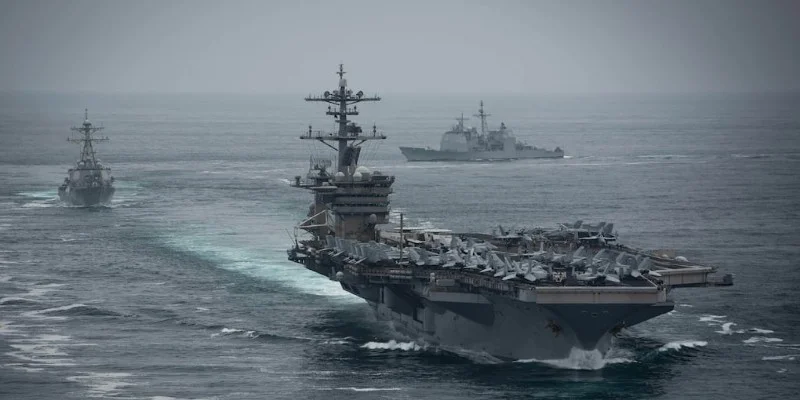
Washington, D.C. (Terror Monitor) — US President Donald Trump could order a major escalation of military strikes against Iran after the Israeli and US elections, as Washington prepares for the possibility of renewed large-scale hostilities, according to international media reports and regional security assessments.
The possibility of renewed attacks comes amid a growing US military presence in the Middle East, concerns over the political and economic costs of the war, and diplomatic efforts to prevent the conflict from escalating further.
The United States has reportedly deployed a third aircraft carrier strike group and an additional 10,000 sailors and Marines toward the Persian Gulf, providing American commanders with more military options if Trump decides to resume large-scale operations.
The military buildup has heightened concerns that the conflict could intensify after the elections. However, the deployment of additional forces does not, by itself, confirm that a new offensive has been approved.
Trump rules out attacks before US midterms
Trump said on October 8 that the United States would not attack Iran before the November 3 midterm elections, citing what he described as productive discussions with Tehran.
“We will not be attacking Iran at any time prior to the Midterm Elections to be held in the United States on November 3rd,” Trump wrote in a social media post.
The statement suggested that Washington was seeking to avoid further escalation before voters go to the polls. However, it did not rule out military action after the elections.
The possibility of renewed strikes has raised concerns that the conflict could become a major issue in the US midterm elections, particularly as voters face higher energy prices and broader cost-of-living pressures.
Rising fuel prices add to political pressure
The war has become a growing political challenge for Trump and his Republican Party as higher energy prices add to concerns about the cost of living in the United States.
All 435 seats in the House of Representatives and 35 Senate seats will be contested on November 3. Voters will also elect governors in 36 states.
Republicans are seeking to retain control of Congress, but the war, rising fuel costs and broader economic concerns have complicated their campaign. Losing control of either chamber could make it more difficult for Trump to advance his domestic legislative agenda during the final two years of his presidency.
Public concern over the conflict and its economic consequences has also placed pressure on the administration to demonstrate progress toward ending the war.
War could intensify despite diplomatic efforts
The conflict, which Trump previously suggested could end within weeks, is showing signs of a possible escalation as the war continues.
The United States and Iran have exchanged proposals aimed at ending hostilities and addressing the situation in the Strait of Hormuz, a vital route for global energy shipments. However, negotiations have remained difficult, with significant disagreements over Iran’s nuclear programme and its enriched uranium stockpile.
Washington has maintained pressure on Iran, while Tehran has resisted key US demands. The possibility of renewed strikes has raised concerns about further Iranian retaliation against US military facilities and other targets across the region, potentially threatening energy infrastructure and commercial shipping.
US personnel reportedly reduced at some regional bases
The number of personnel at some US military bases in the Middle East that have sustained significant damage from Iranian retaliatory attacks has reportedly been reduced.
The reported adjustments come as Washington reinforces its wider military presence in the region. The combination of additional naval forces and changes at bases exposed to Iranian attacks reflects the complicated security calculations facing US commanders as the administration weighs its next steps.
The deployments give Washington additional operational options, but the timing and scale of any new offensive remain uncertain.
Analysts warn of a dangerous post-election period
A Middle East expert affiliated with the Brookings Institution was quoted as saying that the available indications pointed toward a possible resumption of the war and large-scale aerial bombardment.
Ali Vaez, the International Crisis Group’s Iran project director, warned that Trump and Israeli Prime Minister Benjamin Netanyahu could both view the conflict as a way to overcome domestic political difficulties. However, he cautioned that a war pursued to protect their political futures could ultimately damage those same prospects.
The assessment highlights the risk that military decisions could become increasingly entangled with domestic political pressures as both countries approach important elections.
While the military buildup and public statements have strengthened concerns about a possible escalation after the US midterms, no confirmed decision to launch a new large-scale offensive has been publicly established. Trump’s pledge not to attack before the US election remains an important qualification, while diplomatic efforts have yet to produce a lasting settlement.
Related Articles
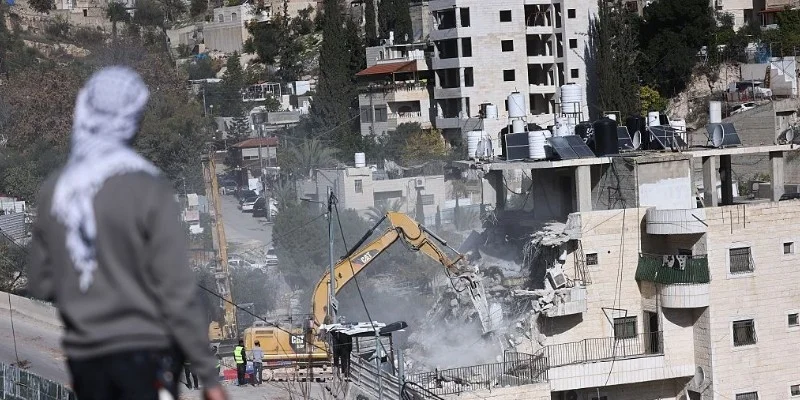
Israeli Forces Begin Demolishing Palestinian Buildings in Hebron After Deadly Attack, 250 Families Displaced
Israeli forces have begun demolishing Palestinian buildings in Hebron after an attack killed two Israeli soldiers, with approximately 250 Palestinian families reportedly displaced amid a widening military operation.
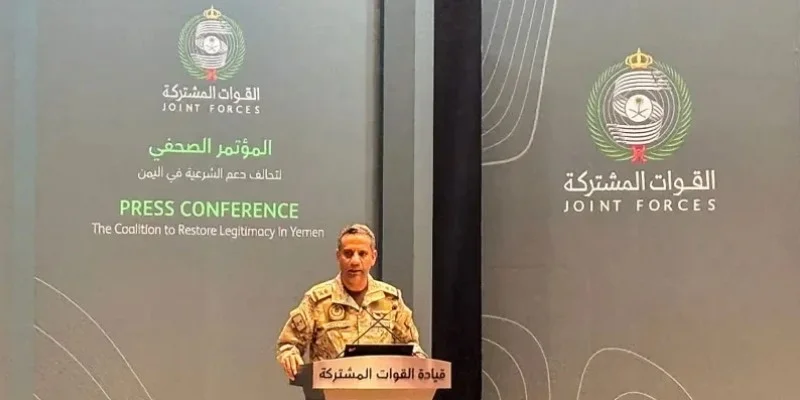
Saudi Arabia Says It Intercepted Houthi Ballistic Missiles and Drone Attacks
Saudi Arabia says it intercepted ballistic missiles targeting Taif, Yanbu and Riyadh, along with a drone over the Eastern Province, as authorities issued and later lifted security alerts across several regions.
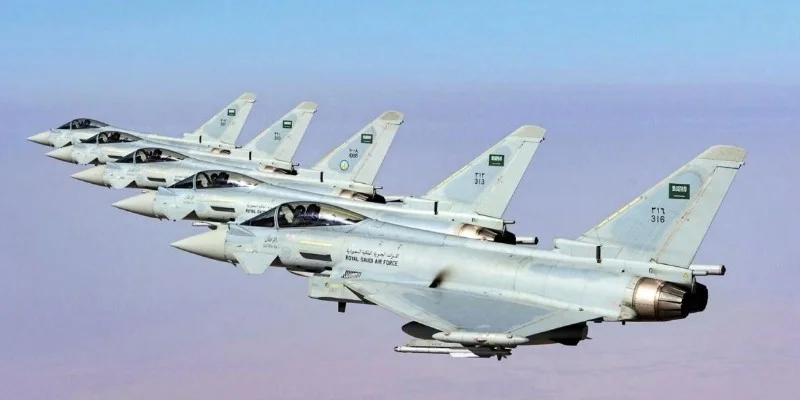
Houthis Say Saudi Airstrikes on Yemen’s Sanaa Kill 11, Including Six Women and a Child
Houthi media report 11 killed, including six women and a child, in Saudi-led airstrikes on Sanaa, with several others wounded.
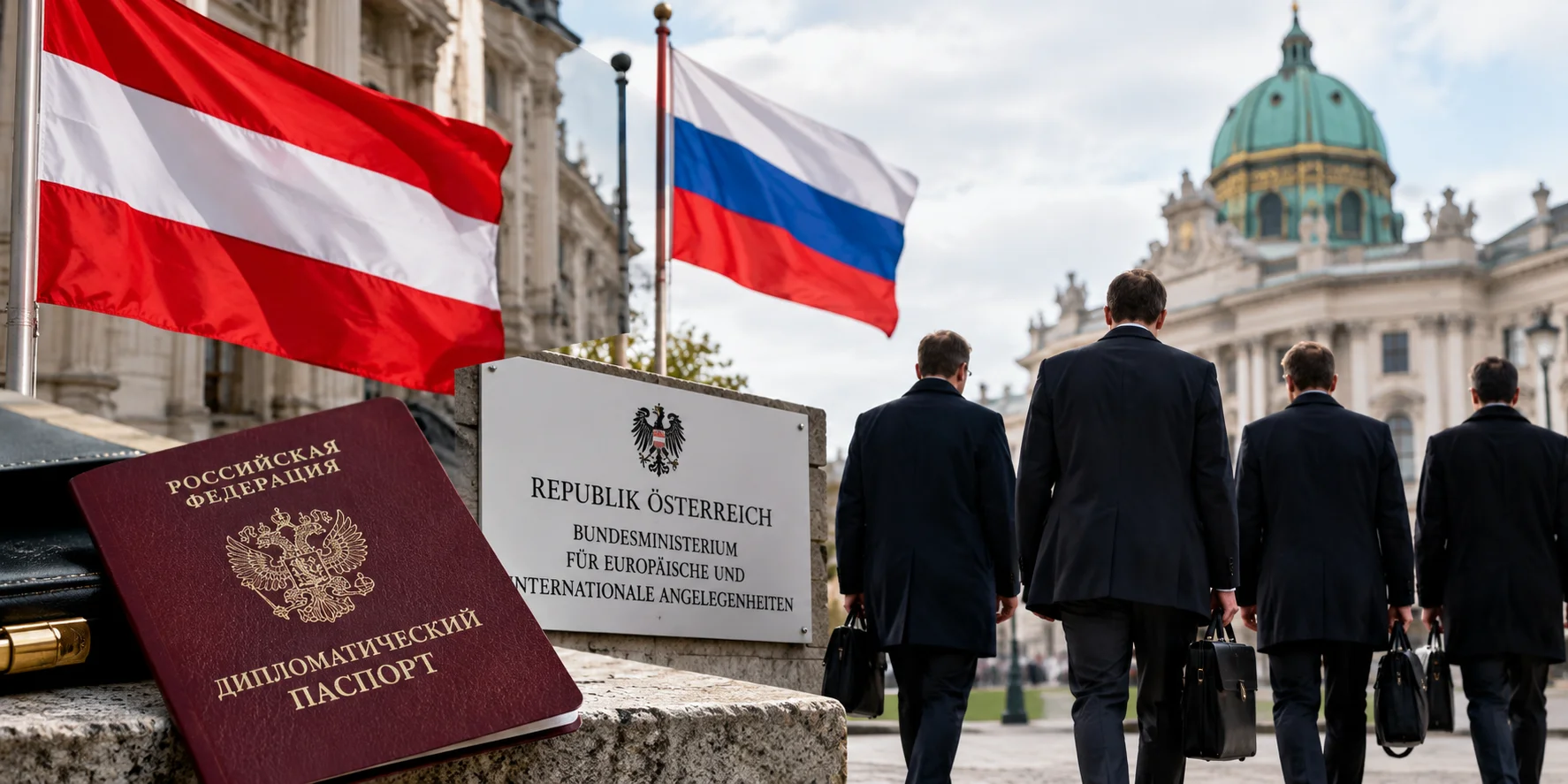
Ukraine War: Austria Expels Four Russian Diplomats Over Suspected Espionage Activities
Austria expels four Russian diplomats over suspected espionage, bringing the total number expelled since 2020 to 18. Moscow condemns the move and warns of retaliation.