
DR Congo Sentences 66 Soldiers to Death for Cowardice, Mutiny and Disobeying Orders
· 64 views
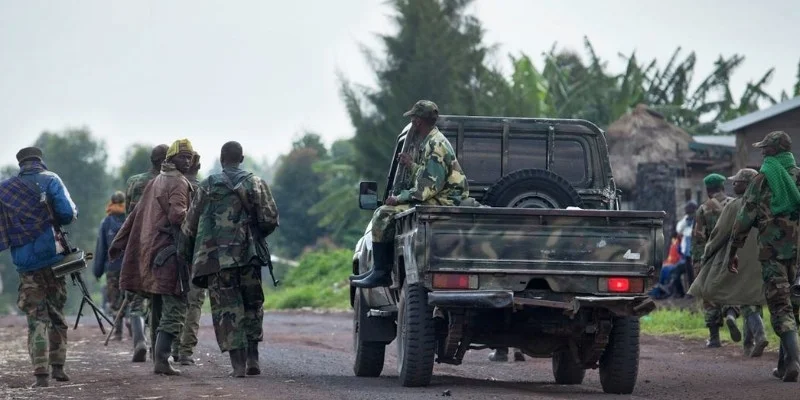
WALIKALE (Terror Monitor) — A military court in the Democratic Republic of Congo (DRC) has sentenced 66 soldiers to death on charges of cowardice, military mutiny and refusing to obey orders, following a trial involving 71 members of the country's armed forces in the conflict-hit eastern province of North Kivu.
The verdict was delivered on Friday, November 6, by the Goma Garrison Military Court, which was sitting in the town of Walikale, according to the Congolese News Agency and local media reports.
Four soldiers were acquitted, while another defendant, a sergeant, was sentenced to 10 years in prison after the court recognised mitigating circumstances.
The defendants belonged to the Congolese Armed Forces (FARDC) and were accused of abandoning their military positions and fleeing during clashes with fighters belonging to the Front for the Refoundation of the Nation (FRN), a rebel coalition that includes the M23 movement.
According to a statement from the army's 34th Military Region, the soldiers were arrested on October 20, 2026, in Ngora village over incidents involving the abandonment of positions in Ntonto, within Walikale territory.
The military said the trial was intended to strengthen discipline within the armed forces as government troops continue operations against armed groups in eastern Congo.
The proceedings lasted 12 days, with prosecutors reportedly seeking the death penalty for 70 of the 71 defendants.
The army has faced persistent challenges in maintaining discipline and operational effectiveness during its long-running campaign against rebel groups in the country's eastern regions. ACP +2
Long-running conflict in eastern Congo
Eastern Democratic Republic of Congo has experienced decades of armed conflict involving government forces, local militias and numerous rebel organisations.
The latest fighting has centred on North Kivu and South Kivu provinces, where the Congolese army has been engaged in battles with the M23 movement and its wider political-military coalition, the Alliance Fleuve Congo (AFC), also known in some reporting as the FRN.
M23 has captured significant territory in eastern Congo, including major urban centres, intensifying the humanitarian and security crisis.
The Congolese government has repeatedly accused neighbouring Rwanda of providing military and logistical support to M23. Kigali has denied the allegations, although United Nations investigators have documented extensive Rwandan military involvement in support of the rebel movement.
The conflict has also displaced large numbers of civilians and disrupted access to essential services, while reports of human rights abuses have emerged from areas under rebel control.
The latest military court verdict highlights the difficulties facing the Congolese armed forces as they attempt to regain territory and confront well-organised rebel formations.
Previous death sentences against Congolese soldiers
The latest verdict comes just weeks after another military court sentenced 27 Congolese soldiers to death in October 2026 for allegedly abandoning their positions during clashes with AFC/M23 rebels in South Kivu province.
According to Anadolu Agency, the soldiers were accused of withdrawing from the frontline while deployed to secure strategic positions overlooking the town of Uvira. The case involved more than 100 military personnel, some of whom received prison sentences while others were acquitted.
The repeated death sentences have drawn attention to the deteriorating discipline within the Congolese military, which has faced longstanding criticism over poor organisation, inadequate equipment and low salaries.
Death penalty reinstated after two decades
In March 2024, the Democratic Republic of Congo lifted a moratorium on executions that had been in place for approximately 21 years.
The government justified the decision by saying that capital punishment was necessary to eliminate what it described as traitors within the armed forces and combat serious security threats.
The government also indicated that the death penalty could apply to individuals involved in armed groups, rebellion, treason and war crimes.
The decision triggered strong criticism from international human rights organisations, particularly Amnesty International, which warned that weaknesses in the Congolese judicial system could expose defendants to unfair trials and wrongful convictions.
Amnesty said the last known executions in the country had taken place in 2003 and urged the government to halt plans to resume executions. No official executions have been reported since the moratorium was lifted.
Hundreds of Congolese soldiers sentenced since 2025
According to figures compiled by French broadcaster Radio France Internationale (RFI), at least 507 Congolese military personnel have been convicted of various offences since the beginning of 2025.
Of these, 381 have received death sentences, reflecting the increasing use of capital punishment by military courts amid the country's ongoing conflict.
The latest 66 death sentences in Walikale represent another major development in the government's campaign to enforce discipline within the armed forces.
Former president Joseph Kabila also sentenced to death
The death penalty has also been imposed in a high-profile case involving former Congolese president Joseph Kabila.
On September 30, 2025, a military court in Kinshasa sentenced Kabila to death in absentia after convicting him of treason, war crimes, crimes against humanity, murder, sexual violence, torture and insurrection.
The case was linked to allegations that he supported the M23 rebellion in eastern Congo, accusations he has denied.
Reuters reported that Kabila was neither present at the proceedings nor represented by legal counsel during the trial. He also accused the judiciary of political bias.
Kabila, who ruled the country from 2001 to 2019, subsequently emerged as a leading figure associated with the opposition to President Felix Tshisekedi. He has also been identified by international reporting as the leader of the FRN rebel coalition.
The latest verdicts underline the growing use of military courts and capital punishment in the Democratic Republic of Congo as government forces continue struggling to contain armed groups in the country's mineral-rich eastern provinces.
Related Articles
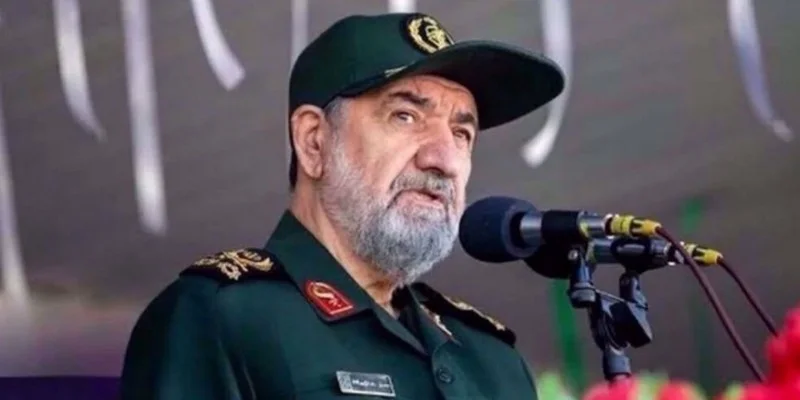
Iran Threatens to Strike US Military Bases Across Europe, Warns of Wider War Beyond Middle East
Iran has threatened to strike US military bases across Europe and other distant regions if Washington launches fresh attacks, warning that even islands previously considered beyond the reach of Iranian missiles could become targets. Tehran has also vowed to continue underground ballistic missile production and rejected transferring any enriched uranium abroad, as tensions with the United States remain high.
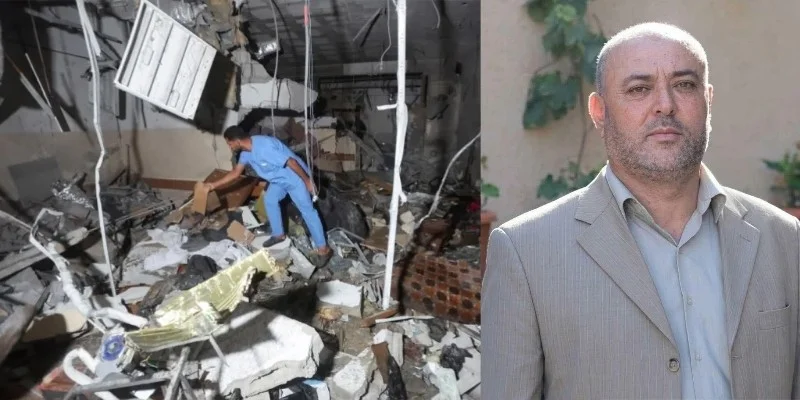
Israeli Airstrike on Gaza’s Nasser Hospital Kills Six, Including Surgeon
An Israeli airstrike on Nasser Hospital in southern Gaza has killed at least six Palestinians, including a surgeon and a 13-year-old boy, and wounded at least 28 others. Israel said it targeted a senior Hamas commander allegedly operating a military headquarters inside the hospital, but Palestinian reports said the commander was not among those killed.
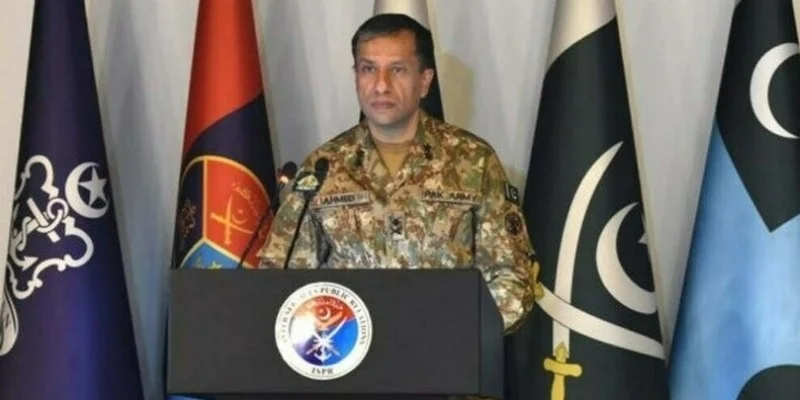
Pakistan Vows Rapid Military Deployment to Saudi Arabia Under Makkah Defence Alliance
Pakistan says it is preparing for the rapid deployment of agreed military forces and defence capabilities to Saudi Arabia under the Makkah Joint Defence Alliance, reaffirming that its commitment to the Kingdom’s security and sovereignty is “absolute and non-negotiable.”
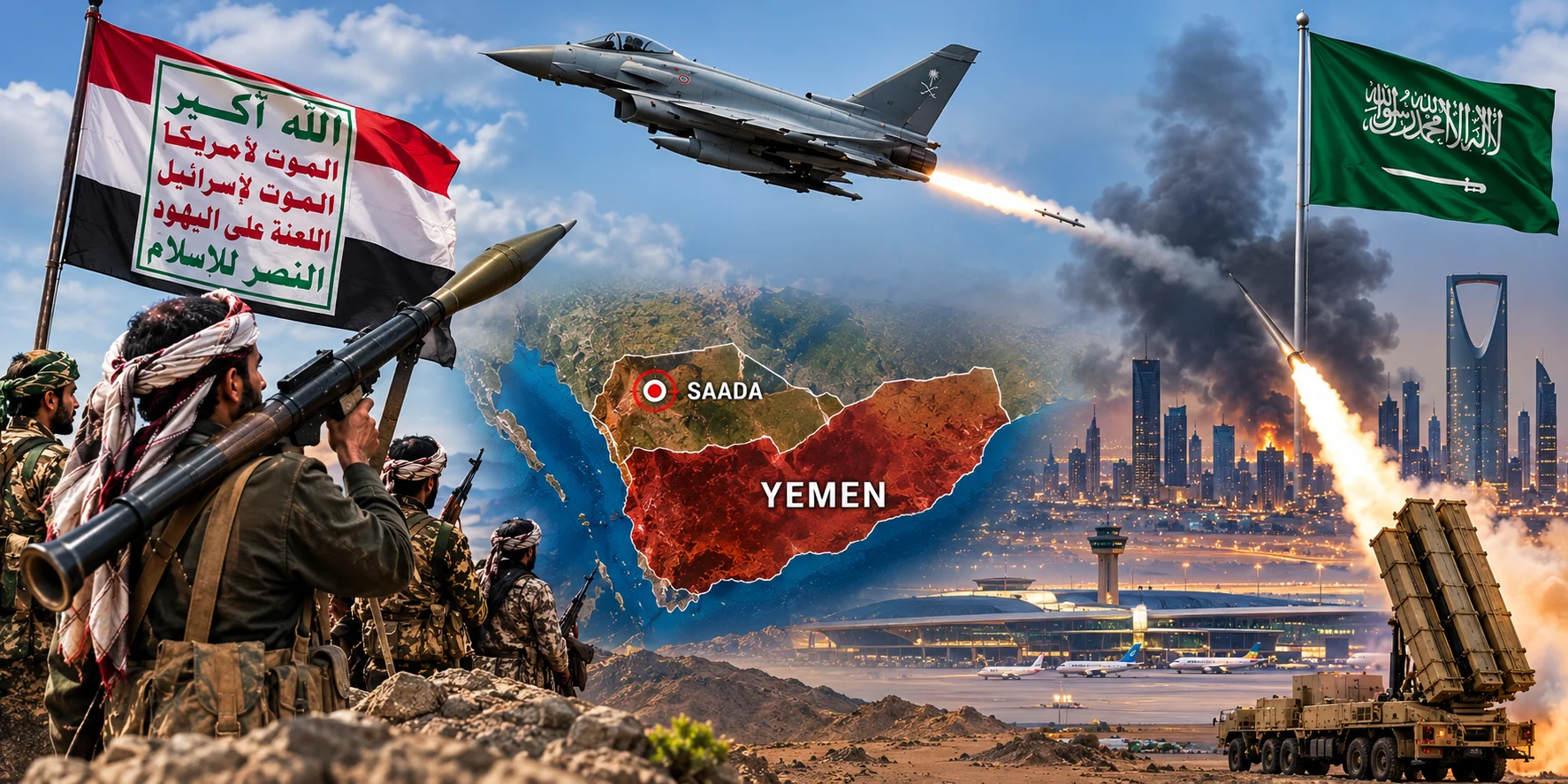
Houthis Launch Fresh Missile and Drone Attacks on Saudi Arabia as Missiles Strike Yemen’s Aden
Iran-backed Houthis Launch Fresh Missile and Drone Attacks on Saudi Arabia, Target Military Bases in Yemen’s Aden