
Egypt’s Parliament Authorizes Military Support for Saudi Arabia Amid Escalating Houthi Attacks
· 585 views

CAIRO (Terror Monitor) — Egypt’s parliament on Monday authorized President Abdel Fattah al-Sisi to take the necessary measures to provide military support to Saudi Arabia, should Riyadh request assistance, as attacks by Yemen’s Iran-aligned Houthi movement intensify across the region.
The Egyptian House of Representatives approved the measure by a two-thirds majority following closed-door deliberations, authorizing the president to support the kingdom in defending its territory, sovereignty and Islamic holy sites against external aggression. The parliamentary statement said any action would be coordinated with Saudi Arabia. The vote did not, by itself, mean that Egyptian forces would be deployed immediately.
The decision could bring Cairo more directly into the widening regional conflict, although Egyptian officials have emphasized that any military assistance would be defensive and would not include attacks on Yemen.
Sisi Sought Parliamentary Approval
Al-Sisi requested parliamentary authorization on October 17, saying Egypt was prepared to take action to protect Saudi Arabia if the kingdom asked for assistance. The request followed escalating Houthi attacks against Saudi targets and growing concern over the security of the kingdom and regional shipping routes.
Egypt’s National Defence Council subsequently backed providing the necessary support to Saudi Arabia while also calling for diplomatic efforts to contain the regional escalation.
The parliamentary deliberations took place behind closed doors over several days. Lawmakers ultimately approved the authorization on October 26, following extensive debate over the scope and implications of possible Egyptian involvement.
Egypt Rules Out Attacks on Yemen
Last week, Egyptian Foreign Minister Badr Abdelatty and intelligence chief Hassan Rashad travelled to Riyadh to deliver a letter from al-Sisi to Saudi Crown Prince Mohammed bin Salman.
In the letter and subsequent public statements, the Egyptian president made clear that Cairo’s support would be limited to defending Saudi territory and borders, rather than conducting attacks on Yemen.
Al-Sisi has rejected suggestions that Egypt is preparing to launch a military campaign against Yemen, stressing that the proposed assistance is intended to protect the kingdom from external attacks.
The precise form of any Egyptian contribution has not been officially detailed. Regional reporting has raised the possibility of defensive military capabilities being provided, but the parliamentary authorization does not confirm which forces, equipment or personnel might be involved.
Cairo Continues to Push for Diplomacy
Despite approving the military authorization, Egypt has maintained that a diplomatic settlement remains its preferred way to address the conflict.
Following his visit to Riyadh, Abdelatty said Cairo wanted to take advantage of “all opportunities” to resolve the Yemen crisis through diplomatic means. He has also reiterated Egypt’s solidarity with Saudi Arabia and its readiness to provide defensive support if requested.
On October 26, Abdelatty again said that deploying Egyptian forces to Saudi Arabia for defensive purposes would require parliamentary approval, in line with Egypt’s constitutional procedures.
Regional Security and the Red Sea at Stake
The decision comes amid rising concern over Houthi attacks on Saudi targets, including airports and facilities belonging to the kingdom’s state-owned oil company, Saudi Aramco. The attacks have heightened concerns about the security of critical infrastructure, energy exports and regional air travel.
Egypt also has significant economic and strategic interests in the Red Sea. The Bab el-Mandeb Strait, at the southern entrance to the waterway, is a key route for international shipping travelling toward the Suez Canal. Disruptions to maritime traffic can affect Egypt’s canal revenues and wider regional trade.
Egypt previously supported the Saudi-led coalition during the Yemen conflict that began in 2015, including through naval deployments in the Red Sea. However, the country has not announced a new deployment under the latest authorization, and the details of any potential mission remain unclear.
Concerns Over the Scope of Military Involvement
The authorization has also raised questions inside Egypt about the potential costs, risks and duration of any military commitment. Some lawmakers expressed concern over the lack of publicly available details about the proposed mission.
The Egyptian Social Democratic Party’s parliamentary bloc abstained from the vote, citing insufficient clarity about the mission’s objectives, duration, costs and risks to Egyptian personnel. Other lawmakers also sought further information about the nature of the assistance under consideration.
The parliamentary decision gives al-Sisi the authority to take the necessary measures if Saudi Arabia requests help, but it does not establish that Egyptian troops will enter combat or that Cairo will participate in offensive operations against the Houthis.
For now, Egypt is seeking to balance its commitment to Saudi Arabia’s defence with its stated opposition to a wider regional war. Whether the authorization leads to a concrete military deployment will depend on any request from Riyadh, subsequent coordination between the two governments and the form of assistance ultimately agreed upon.
Related Articles
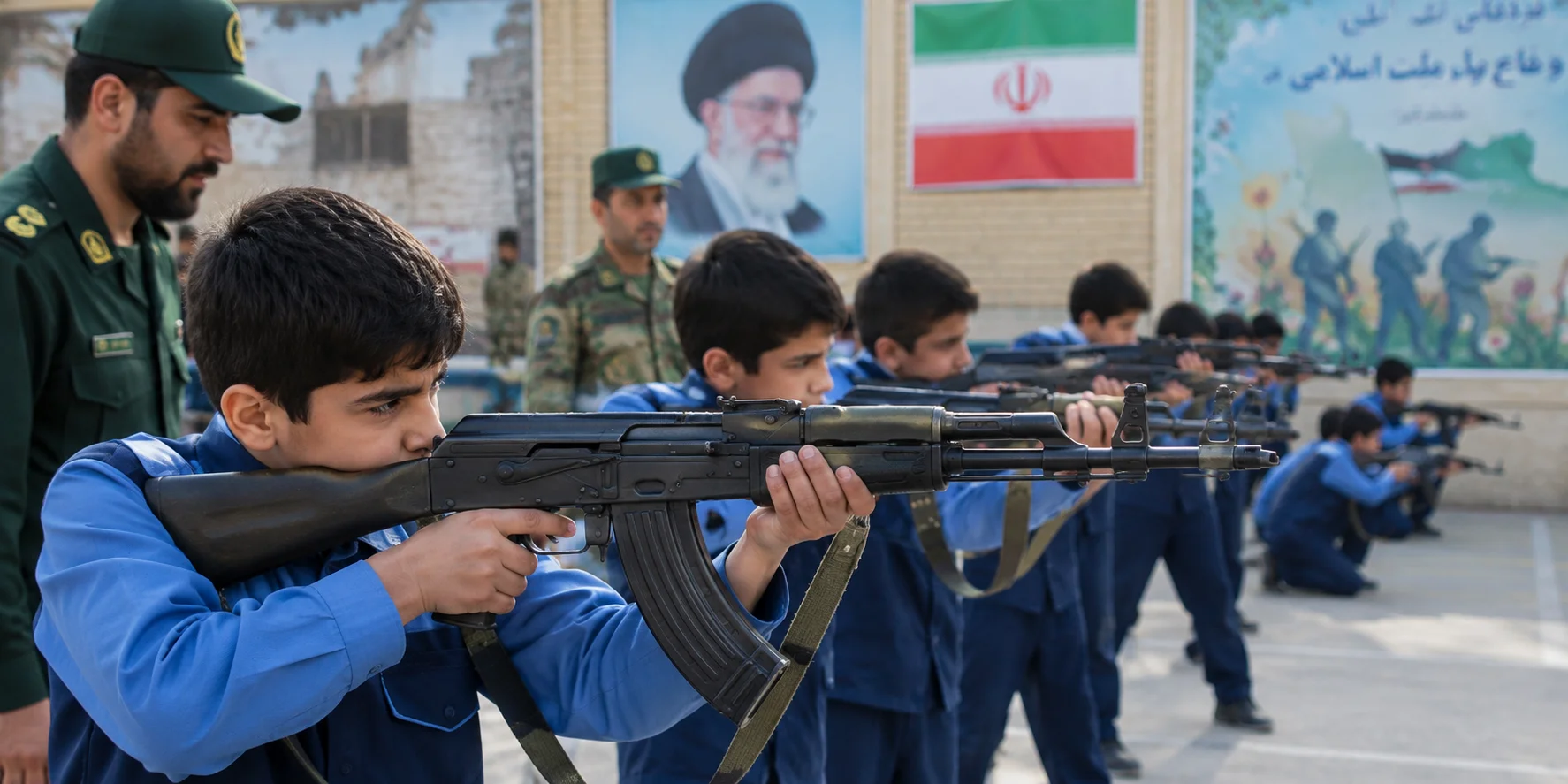
Iran Expands Military Training in Schools, Raising Concerns Over Children’s Recruitment and Security Role
Reports of firearms training for students, military-style identification tags and new youth programmes have raised concerns about the growing role of Iran’s military and security institutions in schools. Iranian authorities describe the initiatives as defensive and ideological education, while critics warn they risk exposing children to militarisation and security activities.
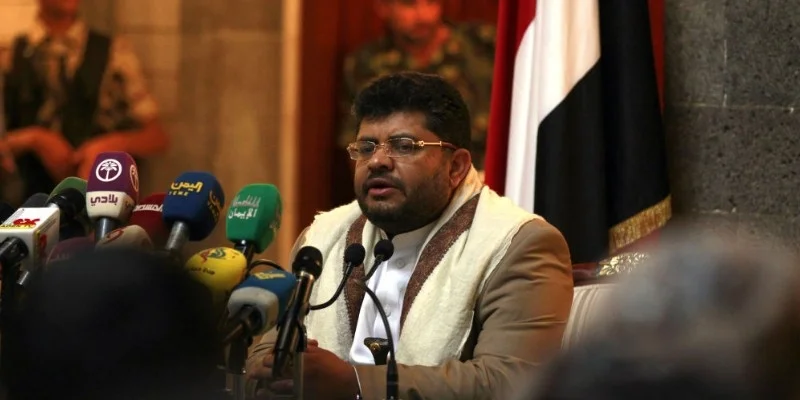
Houthi Leader Calls Egypt’s Military Support for Saudi Arabia a ‘Declaration of War’ Against Yemen
Houthi political bureau member Mohammed Ali al-Houthi has condemned Egypt’s authorization of military support for Saudi Arabia, calling it a “declaration of war” against Yemen. Cairo says its assistance would be limited to defending Saudi territory, as Riyadh reports intercepting three ballistic missiles and four drones.
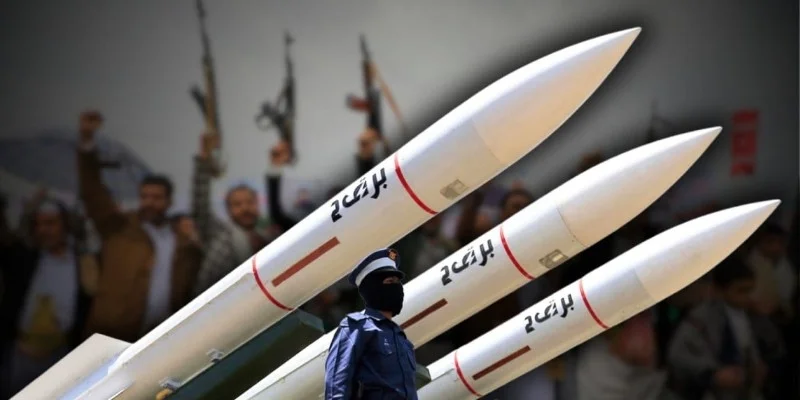
Houthi Attack on Saudi Arabia’s Dammam Airport Kills Two, Injures Eight
A Houthi attack on King Fahd International Airport in Dammam, Saudi Arabia, killed one Saudi citizen and one Indian national and injured eight others. Saudi aviation authorities confirmed that airport operations and flight movements have returned to normal, while security agencies assess the damage and strengthen protective measures.
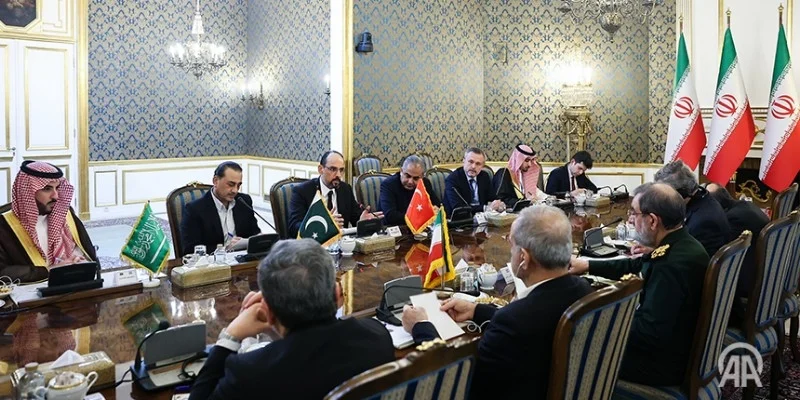
Iran, Pakistan, Saudi Arabia and Türkiye Agree to Continue Regional Security Talks in Tehran
Iran, Pakistan, Saudi Arabia and Türkiye concluded high-level talks in Tehran aimed at reducing regional tensions and preventing renewed conflict. Iranian President Masoud Pezeshkian called for greater regional cooperation before departing for Moscow to attend the Gas Exporting Countries Forum summit.