
Iran, Pakistan, Saudi Arabia and Türkiye Agree to Continue Regional Security Talks in Tehran
· 597 views
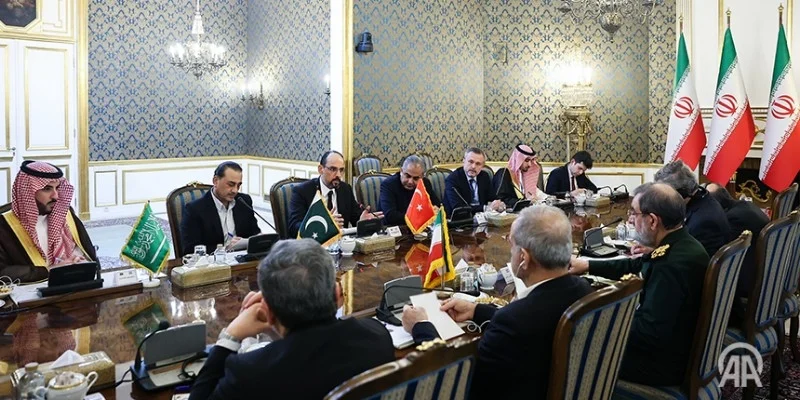
TEHRAN (Terror Monitor) — Senior officials from Iran, Pakistan, Saudi Arabia and Türkiye have concluded a high-level meeting in Tehran aimed at reducing regional tensions and preventing a renewed escalation of the conflict involving Iran, the United States and Israel.
The four countries agreed to continue dialogue to strengthen regional cooperation, peace and security, according to a joint statement issued after the meeting on Monday, October 26.
The talks were held at Tehran’s Saadabad Palace complex and brought together Iranian President Masoud Pezeshkian, Secretary of Iran’s Supreme National Security Council Mohsen Rezaei, Saudi Defense Minister Prince Khalid bin Salman, Pakistan’s Chief of Defence Forces and Army Chief Field Marshal Asim Munir, and Turkish intelligence chief Ibrahim Kalin. Iranian Foreign Minister Abbas Araghchi also participated in the discussions.
The meeting was hosted by Rezaei and followed diplomatic efforts by Pakistan and Qatar to prevent the conflict from escalating further. Reuters, the Associated Press and Iranian media reported on the gathering and its stated objective of promoting regional security.
Pezeshkian Calls for Unity Among Islamic Countries
Addressing the regional security situation, Pezeshkian emphasized the importance of resolving disagreements through dialogue and focusing on common interests rather than issues that divide countries.
“If differences are addressed properly and attention is directed toward common points and interests rather than divisive issues, regional problems can be addressed more easily and effectively,” the Iranian president said, according to the remarks provided by Iranian media.
Pezeshkian also expressed Iran’s readiness to deepen regional cooperation and support agreements that could strengthen unity, security and development among Islamic countries.
His remarks came as regional governments seek diplomatic avenues to prevent a return to large-scale military confrontation. The conflict has raised concerns about attacks on critical infrastructure, disruptions to energy supplies and the potential for further instability across the Middle East.
Saudi Arabia Emphasizes De-escalation
Saudi Arabia said the visit and meeting were part of continuing efforts to reduce tensions among the parties involved in the regional crisis and encourage dialogue and diplomatic solutions.
Saudi officials have stressed the importance of opening channels for negotiations to prevent another military escalation. Riyadh has also highlighted the role of the countries participating in the Makkah Joint Defense Agreement in promoting regional stability while working with other states in the region.
Prince Khalid bin Salman led the Saudi delegation to Tehran. He also met Pezeshkian and held discussions with Munir and Kalin during the gathering, according to Arab News.
The meeting comes as Saudi Arabia faces growing security concerns linked to the wider regional conflict, including attacks claimed by Iran-backed Houthi rebels in Yemen. Reuters reported that the discussions addressed regional security, Houthi attacks, efforts to resume US-Iran negotiations and disruptions affecting the Strait of Hormuz.
Pakistan’s Role in Regional Diplomacy
Pakistan has been playing an active diplomatic role in efforts to reduce tensions between Iran and the United States, with Islamabad seeking to facilitate negotiations and prevent the conflict from spreading.
Field Marshal Asim Munir represented Pakistan at the Tehran meeting, alongside Interior Minister Mohsin Naqvi, according to Pakistani and Iranian reporting.
The latest gathering follows earlier diplomatic contacts involving Pakistani officials and Iranian leaders. Pakistan has also worked with Qatar to support mediation efforts aimed at reopening diplomatic channels and addressing disputes related to the Strait of Hormuz and the US naval blockade of Iranian ports.
The talks provided an opportunity for Pakistan, Saudi Arabia and Türkiye to discuss regional security directly with Iranian officials despite their differing strategic relationships and security concerns.
Reuters reported that Pakistan proposed further diplomatic engagement, including discussions about a possible settlement and a regional non-aggression framework. However, the joint statement did not announce a comprehensive peace agreement or provide details of any binding commitments.
Regional Security and the Threat of Renewed Conflict
The meeting took place amid growing concern that military hostilities involving Iran, the United States and Israel could resume.
The conflict has affected regional security arrangements, energy transportation and diplomatic relations. The Strait of Hormuz, a critical route for international oil and gas shipments, remains a major point of contention amid the US blockade of Iranian ports and efforts to negotiate a broader settlement.
The delegations also discussed wider regional issues, including the consequences of the conflict for neighboring countries and the need to strengthen cooperation on peace and security.
According to the joint statement reported by Iranian media, the four countries agreed to continue consultations on regional cooperation. No specific date or location for the next meeting was announced.
The outcome signals a willingness to maintain diplomatic engagement, although substantial differences remain over the conflict, sanctions, maritime security and the conditions under which negotiations with Washington could resume.
Pezeshkian Departs for Moscow
Following the meeting in Tehran, Pezeshkian departed for Moscow on Monday evening to attend the eighth summit of the Gas Exporting Countries Forum (GECF).
According to Iranian media and Anadolu Agency, the president is scheduled to address the summit on Tuesday and hold talks with Russian President Vladimir Putin. Discussions are expected to cover bilateral cooperation, energy security and regional and international developments.
Pezeshkian’s departure came after his participation in the four-country meeting, which brought together senior Iranian, Pakistani, Saudi and Turkish officials in a bid to support dialogue and reduce regional tensions.
The Tehran meeting ended without a publicly announced comprehensive settlement, but the commitment to continue discussions offers a further diplomatic channel as regional governments seek to prevent renewed fighting and protect regional stability.
Sources: Terror Monitor, Reuters, Associated Press, Arab News, Anadolu Agency, Mehr News Agency and Iranian state media.
Related Articles
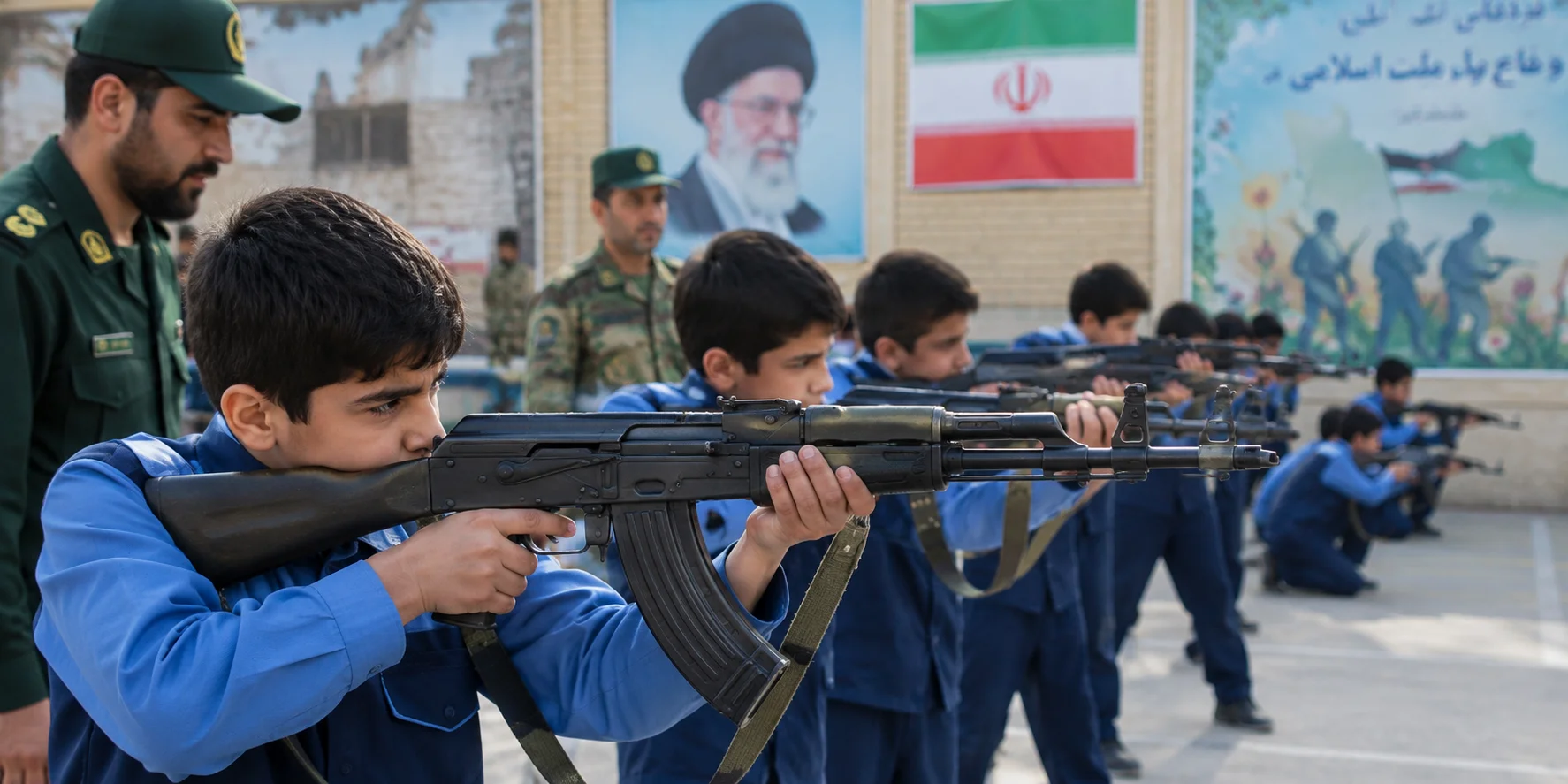
Iran Expands Military Training in Schools, Raising Concerns Over Children’s Recruitment and Security Role
Reports of firearms training for students, military-style identification tags and new youth programmes have raised concerns about the growing role of Iran’s military and security institutions in schools. Iranian authorities describe the initiatives as defensive and ideological education, while critics warn they risk exposing children to militarisation and security activities.
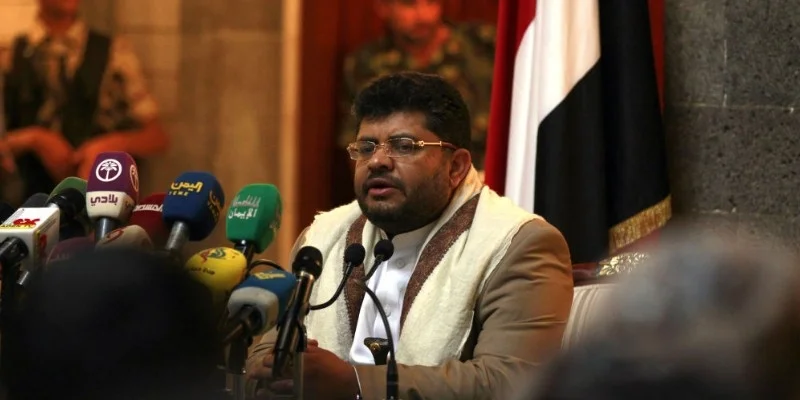
Houthi Leader Calls Egypt’s Military Support for Saudi Arabia a ‘Declaration of War’ Against Yemen
Houthi political bureau member Mohammed Ali al-Houthi has condemned Egypt’s authorization of military support for Saudi Arabia, calling it a “declaration of war” against Yemen. Cairo says its assistance would be limited to defending Saudi territory, as Riyadh reports intercepting three ballistic missiles and four drones.

Egypt’s Parliament Authorizes Military Support for Saudi Arabia Amid Escalating Houthi Attacks
Egypt’s parliament has authorized President Abdel Fattah al-Sisi to provide military support for Saudi Arabia amid escalating Houthi attacks. Cairo says any assistance would be limited to defending Saudi territory and borders, excluding offensive operations in Yemen, while continuing to pursue a diplomatic solution to the conflict.
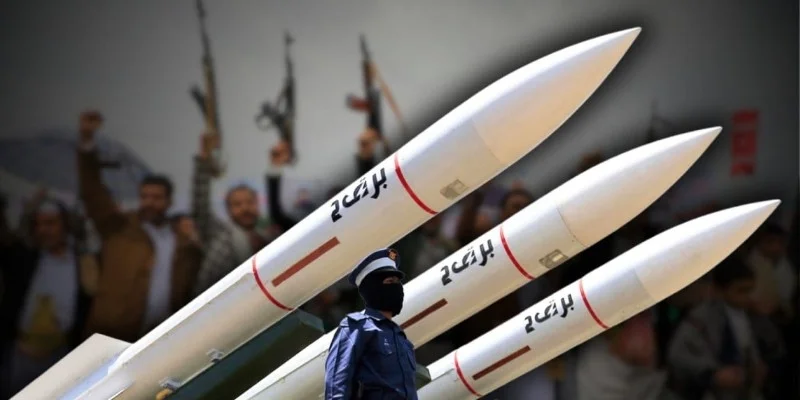
Houthi Attack on Saudi Arabia’s Dammam Airport Kills Two, Injures Eight
A Houthi attack on King Fahd International Airport in Dammam, Saudi Arabia, killed one Saudi citizen and one Indian national and injured eight others. Saudi aviation authorities confirmed that airport operations and flight movements have returned to normal, while security agencies assess the damage and strengthen protective measures.