
Former Mossad Chief Says Israeli Spies Visited Iran’s Fordow Nuclear Site Multiple Times
· 125 views
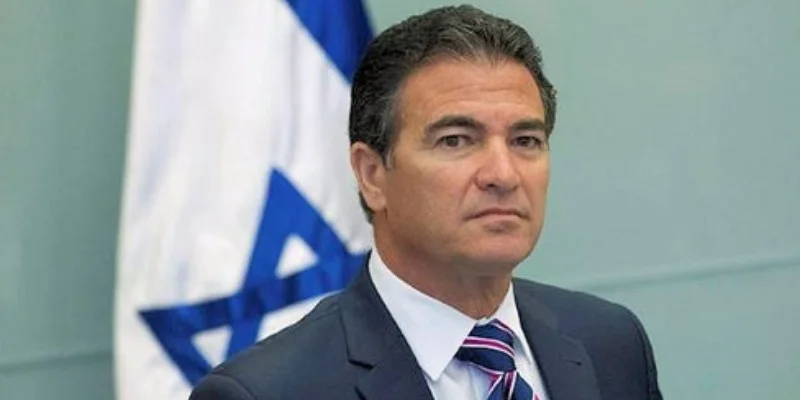
Jerusalem (Terror Monitor) — A former chief of Israel’s Mossad intelligence agency has revealed that Israeli spies had visited Iran’s Fordow nuclear facility several times in the past to gain a better understanding of the highly sensitive nuclear site.
Yossi Cohen, who headed Mossad from 2016 to 2021, did not specify when the visits took place or identify the Israeli operatives who allegedly entered or visited the facility.
According to Israeli media reports, Cohen said in a speech that the U.S. bombing of Iran’s Fordow nuclear site was “the fulfillment of my dreams.”
The remarks come after the United States and Israel carried out a series of airstrikes against Iranian nuclear facilities last June, targeting sites in Fordow, Natanz and Isfahan.
According to an AFP report from Jerusalem on Tuesday, August 11, Cohen said Israeli intelligence operatives had visited the Fordow facility “several times” in the past. He provided no further details about the timing or circumstances of those alleged visits.
U.S. and Israeli strikes on Iran
Israel launched repeated airstrikes against Iran’s nuclear facilities in Fordow, Natanz and Isfahan last June, saying the attacks were intended to inflict maximum damage on Iran’s disputed nuclear program.
The aerial campaign lasted 12 days, with the United States later joining Israel in the strikes.
Israel justified the attacks by claiming that Iran’s nuclear and ballistic-missile programs posed an “existential threat” to the country.
During the campaign, the United States used advanced military aircraft and specialized bombs in attacks designed to penetrate and severely damage heavily fortified nuclear facilities, particularly the underground Fordow site.
Following last year’s conflict, the United States and Israel launched another round of attacks against Iran on February 28 this year, triggering the ongoing Iran war.
The conflict has now entered its sixth month, with no final agreement between the opposing sides to end the war.
The United States continues to conduct airstrikes against military targets in Iran, while Tehran has responded by targeting U.S. interests in Gulf Arab states.
The conflict has also disrupted commercial shipping through the Strait of Hormuz, with Iran keeping the strategic waterway closed to normal commercial and cargo traffic. The disruption has contributed to prolonged instability in global energy markets.
Related Articles

Hackers Claim Theft of Sensitive Data on 38,000 FBI Personnel
The FBI is investigating claims by cybercrime group ShinyHunters that it stole sensitive information linked to about 38,000 FBI employees and applicants. The group says the data includes names, badge numbers, contact details and information related to personnel assignments, but the FBI has not confirmed the extent or authenticity of the alleged breach.
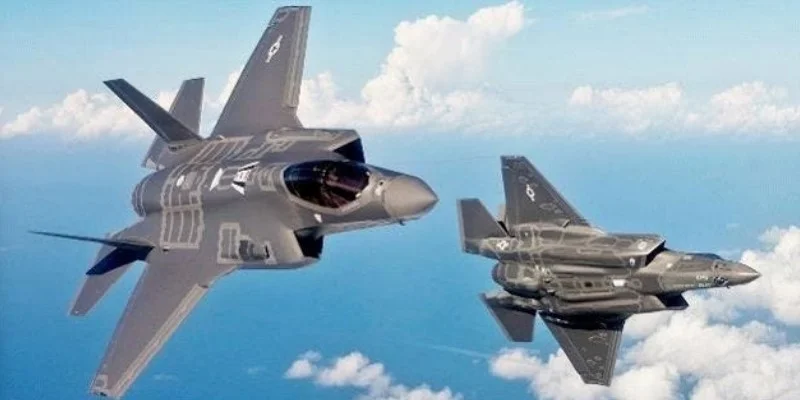
US Approves Potential $24.3 Billion Sale of 48 F-35 Fighter Jets to Saudi Arabia
The United States has approved the potential $24.3 billion sale of 48 F-35 Lightning II fighter jets and related defense equipment to Saudi Arabia, in a major proposed expansion of the kingdom’s access to advanced U.S. military technology.
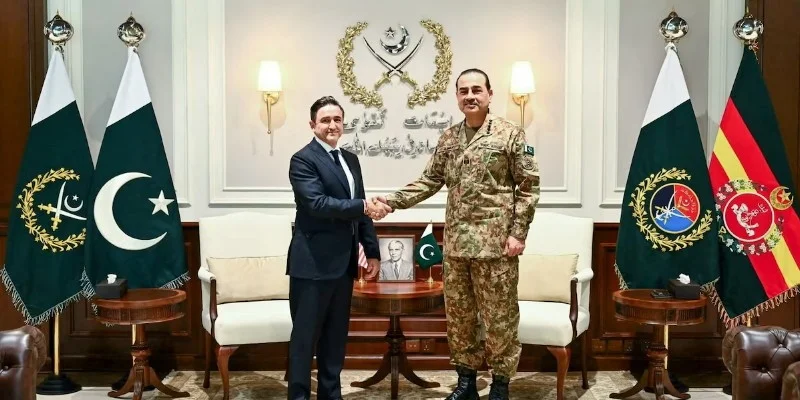
U.S. Drone Maker Powerus Signs MoU With Pakistan Army, Includes Initial Drone Order
U.S. drone maker Powerus has signed a memorandum of understanding with the Pakistan Army that includes an initial drone order, as the company explores expanding its technology and manufacturing activities in Pakistan.
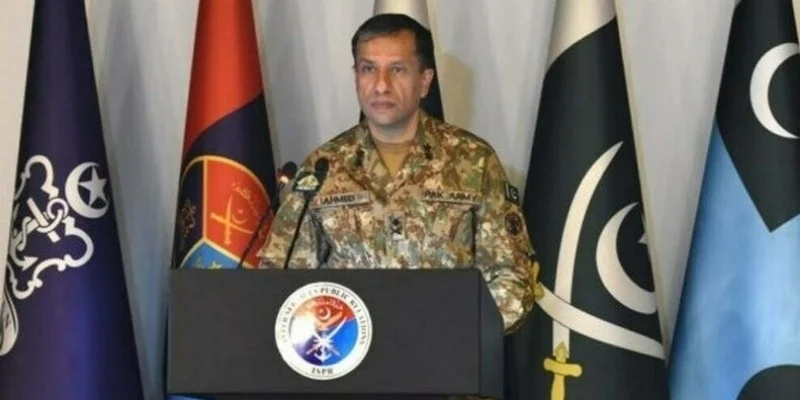
Makkah Defence Pact Is Defensive, Operational Details Will Not Be Made Public: Pakistan Army Spokesperson
Pakistan Army spokesperson Lieutenant General Ahmed Sharif Chaudhry says the Makkah Joint Defence Agreement with Saudi Arabia and Türkiye is purely defensive and contains no offensive or regional expansionist agenda. He says operational details of the pact’s defence commitments will remain confidential.