
Russia Pledges Continued Cooperation With Iran as Lavrov Meets Pezeshkian
· 58 views
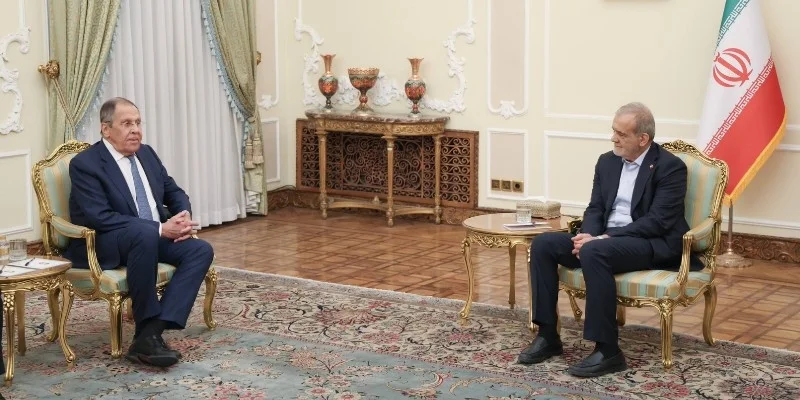
TEHRAN (Terror Monitor) — Russian Foreign Minister Sergey Lavrov reaffirmed Moscow’s commitment to its strategic partnership with Iran during a visit to Tehran on Monday, where he met Iranian President Masoud Pezeshkian, Foreign Minister Abbas Araghchi and Secretary of Iran’s Supreme National Security Council Mohsen Rezaei amid escalating tensions in the Persian Gulf and the Strait of Hormuz.
The meetings focused on bilateral relations, regional security, economic cooperation and diplomatic efforts to address the conflict involving Iran, the United States and Israel.
The Russian Foreign Ministry confirmed Lavrov’s engagements in posts on its official social media account, announcing that the Russian foreign minister had been received by Pezeshkian and had separately held talks with Rezaei.
According to the Russian Foreign Ministry, Lavrov’s visit was intended to advance the comprehensive strategic partnership between Moscow and Tehran, strengthen coordination on regional and international issues, and explore opportunities to expand trade, investment, energy and transportation cooperation.
The visit came as diplomatic efforts to resolve the regional crisis remained uncertain, with Iran accusing Washington and Israel of destabilising the region and Russia reiterating its willingness to help find a diplomatic solution.
Lavrov Meets Pezeshkian and Iran’s Security Chief
In its first social media announcement, the Russian Foreign Ministry stated that Lavrov had been received by Iranian President Masoud Pezeshkian.
In a separate post, the ministry confirmed that Lavrov had also met Mohsen Rezaei, Secretary of Iran’s Supreme National Security Council.
The meetings formed part of a series of high-level consultations between Moscow and Tehran as the two countries sought to strengthen their strategic relationship and coordinate positions on regional developments.
According to Russia’s Foreign Ministry, Lavrov and Pezeshkian discussed the situation in the Middle East, the Persian Gulf, the South Caucasus and the Caspian Sea. They also reviewed political dialogue between the two countries and prospects for expanding trade, investment and cooperation in transportation, logistics and energy projects.
The Russian ministry said Lavrov reaffirmed Moscow’s readiness to help resolve the crisis surrounding Iran. However, its public account of the meetings did not announce a new agreement on military assistance or a specific mediation arrangement.
Lavrov’s meeting with Rezaei also highlighted the security dimension of the relationship. According to reporting by CBS News, the Iranian security official called for stronger cooperation with Russia to support regional security, including through joint economic and transportation projects.
Araghchi Blames US and Israel for Regional Instability
Following his discussions with Lavrov, Iranian Foreign Minister Abbas Araghchi said the military operations against Iran since February 28 had undermined regional security.
Speaking at a joint press conference in Tehran, Araghchi blamed the United States and Israel for the continuing instability and argued that regional disputes could not be resolved through military action.
He said Tehran and Moscow had discussed the situation in the Persian Gulf and the Strait of Hormuz, along with a broad range of regional and international issues.
These included Iran-US relations, the Israeli-Palestinian conflict, the war in Yemen, tensions between Afghanistan and Pakistan, and the Russia-Ukraine war.
Araghchi stressed that diplomatic engagement was necessary to prevent further escalation and called for a regional security arrangement led by countries in the region.
“We welcome any initiative that leads to security from within without the presence of foreign forces,” Reuters reported Araghchi as saying during the press conference.
The Iranian foreign minister also said Iran and Russia shared the view that what he described as the genocide of Palestinians and Israeli expansionism in the region must end.
He pledged that Tehran and Moscow would continue coordinating their positions through international platforms, including BRICS, the Shanghai Cooperation Organisation and the Eurasian Economic Union, to counter what he called American unilateralism.
Russia Says It Will Not Abandon Iran
Lavrov reaffirmed Moscow’s commitment to its strategic partnership with Tehran, saying Russia would continue implementing agreements with Iran despite the difficult regional circumstances.
He described his talks with Araghchi as productive and said the two sides had discussed regional security and ways to overcome the crisis.
Lavrov also said Russia had offered Iran food and medical assistance as part of its support for the country.
The Russian foreign minister maintained that Moscow was prepared to contribute to diplomatic efforts aimed at resolving the confrontation and preventing a return to a wider regional war.
According to Euronews, Lavrov expressed support for Iran during the joint press conference, describing Tehran’s cause as just and criticising the US-Israeli military campaign. He also reaffirmed Russia’s intention to continue economic and investment cooperation with Iran.
Lavrov’s remarks came after US President Donald Trump said Russia was doing little, if anything, to help Iran compared with what Moscow could potentially provide. Trump said he wanted to maintain that situation while pursuing negotiations over the war in Ukraine.
The Russian foreign minister’s public statements emphasised diplomatic, economic and strategic cooperation, but did not publicly specify any new military assistance arrangements.
Moscow and Tehran Seek Deeper Economic Ties
The visit also highlighted efforts by Russia and Iran to strengthen their economic relationship.
Lavrov and Iranian officials discussed expanding trade, investment and cooperation in energy, transportation and logistics, according to the Russian Foreign Ministry.
The two countries have been seeking to advance their comprehensive strategic partnership following agreements reached between Russian President Vladimir Putin and Pezeshkian.
The partnership covers a range of areas, including political dialogue, economic cooperation, energy and transport links. Both governments have also expressed interest in coordinating their positions through multilateral organisations.
The Russian Foreign Ministry said Lavrov’s visit would help identify practical steps to advance bilateral relations and foreign policy cooperation.
Lavrov also said Iranian President Pezeshkian was expected to attend a gas conference in Moscow, providing another opportunity for the two governments to discuss energy cooperation.
Strait of Hormuz Remains a Major Concern
The talks took place amid continuing concerns over security in the Strait of Hormuz, a strategic waterway through which a substantial share of global oil supplies is transported.
Tensions in and around the strait have raised concerns about commercial shipping, energy prices and the potential for renewed military confrontation.
Iran has blamed the United States for the insecurity, arguing that military operations and restrictions on Iranian maritime trade have contributed to the crisis.
Washington and its partners have raised concerns about threats to navigation and attacks affecting commercial vessels in the region.
Reuters reported on October 19 that Araghchi called for regional countries to develop a joint security arrangement and said Iran supported initiatives that could provide security without the presence of foreign forces.
The competing positions have complicated diplomatic efforts, with Tehran demanding changes to the current security and economic arrangements while Washington has maintained pressure on Iran.
Russia Seeks a Diplomatic Role
Lavrov’s visit followed his participation in a meeting with Gulf Cooperation Council foreign ministers in Bahrain. His subsequent trip to Tehran gave Moscow an opportunity to engage with Iranian officials after consultations with representatives of Gulf Arab states.
Russia has presented itself as willing to help resolve the crisis, although the precise scope of any mediation role remains unclear.
The visit also came amid questions about the extent of Moscow’s support for Tehran during the conflict. While Russia has publicly reaffirmed its strategic partnership with Iran, the statements released after the meetings did not announce a new military commitment.
For Iran, the discussions offered an opportunity to reinforce diplomatic ties with a major international partner and seek cooperation on economic and security matters.
For Russia, maintaining relations with Tehran while engaging Gulf countries reflects an effort to preserve its regional diplomatic influence.
Despite the renewed pledges of cooperation, the Tehran meetings produced no publicly announced breakthrough on ending the conflict or resolving the dispute over the Strait of Hormuz. Both governments, however, reaffirmed their intention to strengthen bilateral ties and continue diplomatic coordination amid continuing regional instability.
Related Articles

Iran-Backed Houthis Claim Attacks on Saudi Aramco Facility, Oil Field and Airports as Yemen Fighting Intensifies
Iran-backed Houthi rebels claimed attacks on Saudi Aramco’s Yanbu facility, the Shaybah oil field, King Khalid International Airport in Riyadh and Abha Airport. Meanwhile, Pakistan’s ambassador said 17 Pakistanis, including five women, were injured in Houthi attacks on Riyadh airport. Separately, Yemen’s internationally recognized government forces reported killing 129 Houthi fighters and wounding 176 others over 48 hours.
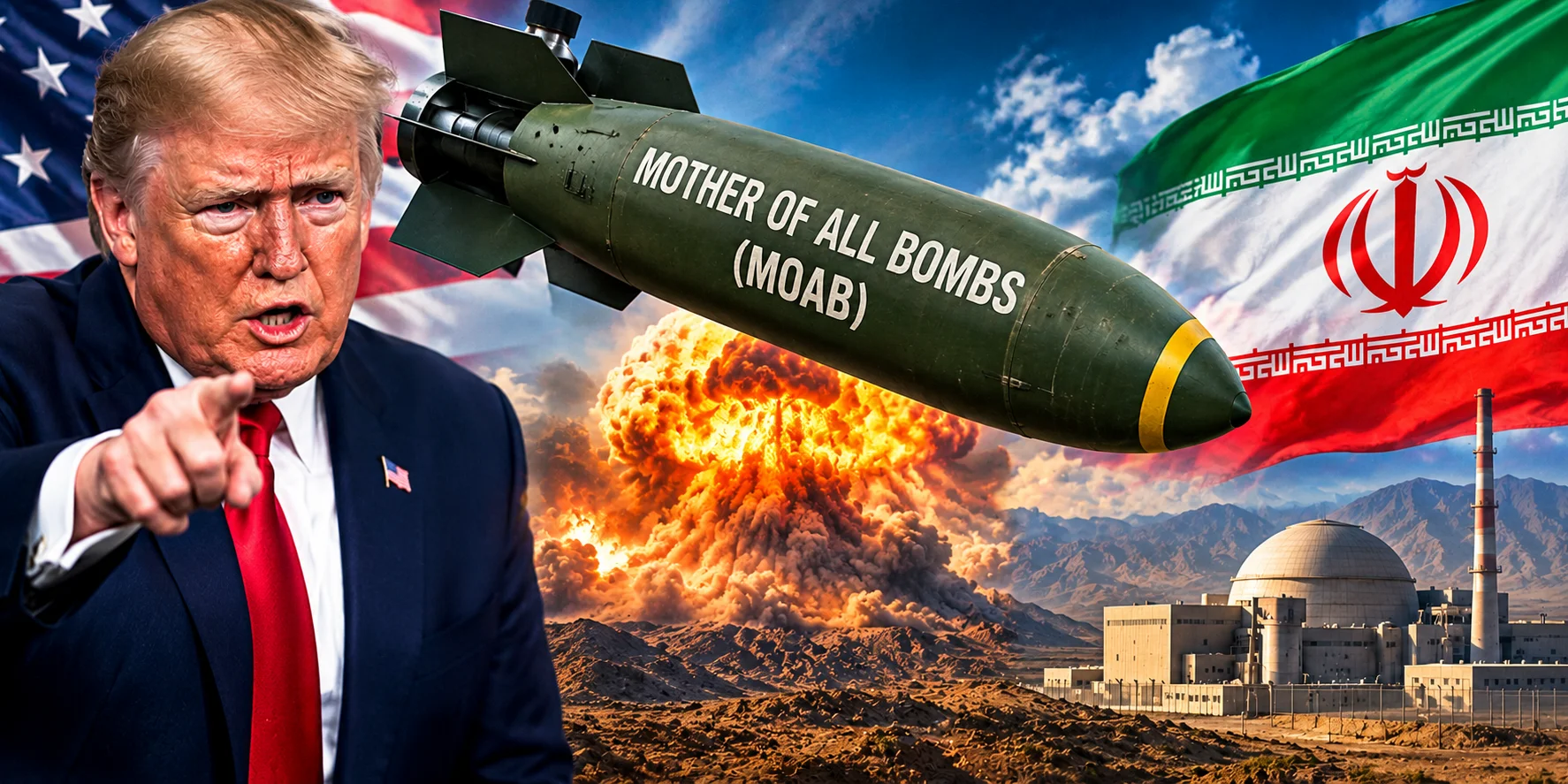
Trump Threatens Devastating Strike on Iran’s Nuclear Sites as Pentagon Weighs ‘Mother of All Bombs’
President Donald Trump has threatened to strike Iran’s deeply buried Pickaxe Mountain nuclear facility as the Pentagon reportedly considers using the massive non-nuclear “Mother of All Bombs.” Tehran has dismissed the threats and warned that further U.S. attacks could trigger retaliation and escalate the regional conflict.
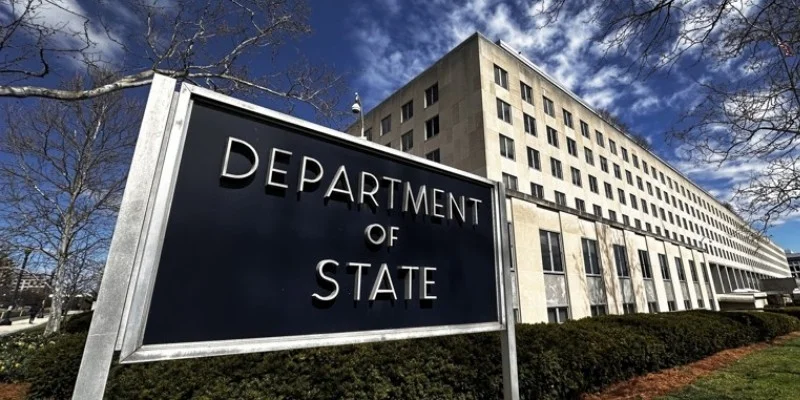
US Embassies Issue Urgent Middle East Security Alert Amid Houthi Attacks
US embassies across the Middle East have urged American citizens to remain vigilant amid escalating regional hostilities, warning of possible flight cancellations, airspace closures and travel disruptions. The alerts come as Iran-backed Houthi rebels intensify attacks on Saudi Arabia, with deadly strikes disrupting operations at Riyadh’s international airport and raising fears that the conflict could spread further across the region.
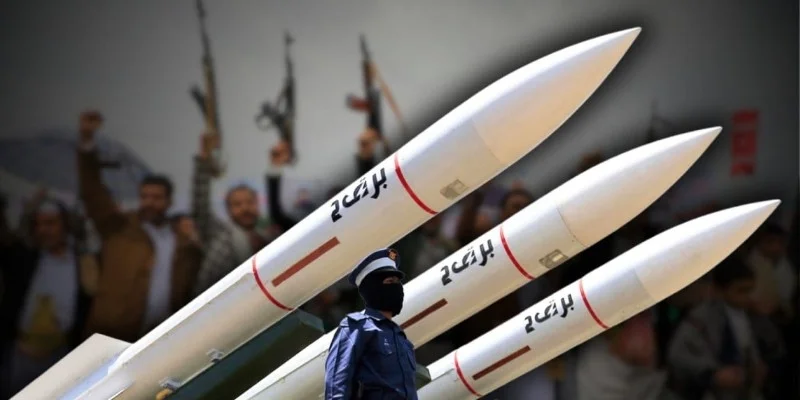
Iran-Backed Houthis Kill 53, Wound 200 in Ballistic Missile Attack on Yemen Military Camp
Iran-backed Houthi rebels killed at least 53 people and wounded around 200 in a three-missile attack on a military training camp in Yemen’s Shabwa province on Monday. The escalation comes as the Houthis intensify attacks on Saudi Arabia, prompting Egypt to consider military assistance to Riyadh and the United States to warn its citizens of growing security risks across the Middle East.