
Iran Rejects Sending Enriched Uranium Abroad as Pakistan Army Chief Concludes Tehran Visit
· 308 views
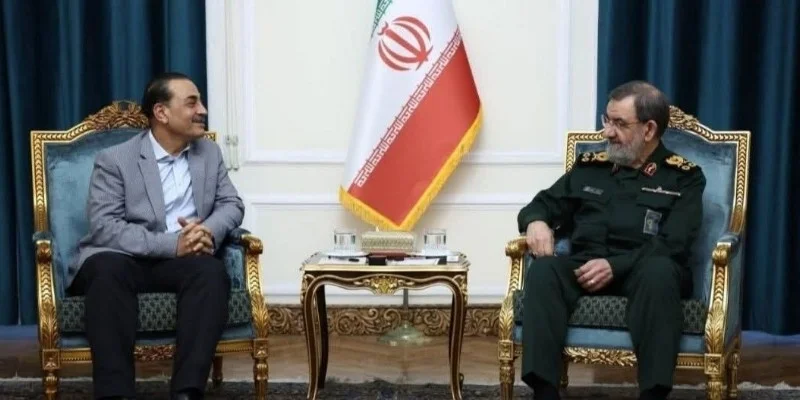
TEHRAN (Terror Monitor) — Pakistan’s Chief of Defence Forces and Army Chief, Field Marshal Asim Munir, has concluded his visit to Iran and departed for Pakistan amid renewed diplomatic efforts to revive stalled negotiations between Tehran and Washington, with Iran firmly rejecting a key potential compromise over its enriched uranium stockpile.
Iran’s Supreme National Security Council Secretary, Major General Mohsen Rezaei, told Munir during a meeting in Tehran on Tuesday that Iran would not allow any of its enriched nuclear material to be transferred outside the country, describing the stockpile as a strategic national asset that must remain available for domestic use.
“Not even a tiny bit of enriched nuclear material will leave Iran,” Rezaei said, according to Iranian state television, underscoring Tehran’s determination to maintain control over its nuclear programme despite international pressure.
The developments cast further doubt on the prospects for an immediate diplomatic breakthrough as Pakistan attempts to mediate between the United States and Iran and prevent a renewed escalation of hostilities across the Middle East. Reuters reported on Tuesday that Iranian officials had made clear that Tehran would not resume negotiations with Washington until the United States addressed its demands and took steps to rebuild trust.
Iran Sets Conditions for Resuming Negotiations
Rezaei said Iran would not engage in negotiations until Washington took concrete steps to establish trust, beginning with the fulfilment of Tehran’s conditions.
Iranian Parliament Speaker Mohammad Bagher Ghalibaf conveyed a similar message during his meeting with Munir, saying Washington could not restore Tehran’s confidence without meeting seven conditions presented by Iran.
According to Iranian accounts of the discussions, Tehran’s demands include lifting the US naval blockade on Iranian ports, removing sanctions on Iranian oil exports and ending hostilities across regional fronts.
Iranian officials have also maintained that military threats and pressure will not change the country’s strategic decisions.
The hardening position presents a significant challenge for Pakistan’s diplomatic initiative, as Islamabad seeks to bring the two sides back to negotiations following the breakdown of an earlier agreement intended to halt the conflict.
Reuters reported that Iranian President Masoud Pezeshkian also discussed mediation efforts and regional developments with Munir during their meeting in Tehran.
Dispute Over Enriched Uranium Remains a Major Obstacle
The future of Iran’s enriched uranium stockpile remains one of the most contentious issues in efforts to reach a settlement with Washington.
Iran has accumulated uranium enriched to 60 per cent purity, a level significantly above that required for most civilian nuclear applications and close to the approximately 90 per cent level generally associated with weapons-grade uranium.
The United States has pressed Iran to accept substantial restrictions on its enrichment activities and address concerns surrounding its stockpile. The question of whether enriched uranium should be transferred abroad, diluted or otherwise placed under verifiable restrictions has been a central point of contention in diplomatic efforts.
Tehran, however, has repeatedly rejected proposals to surrender control of its nuclear material to another country.
Rezaei’s latest statement reinforces that position, ruling out the transfer of even a small quantity of enriched material outside Iran.
Iran maintains that its nuclear programme is intended for peaceful purposes and denies seeking to develop nuclear weapons. Washington and its allies have raised concerns about the potential military implications of Iran’s enrichment activities.
The International Atomic Energy Agency’s verification arrangements and the extent to which Iran would accept international monitoring are also important considerations in any future agreement.
The immediate issue is therefore not simply whether negotiations will resume, but whether Washington and Tehran can find an arrangement that addresses US concerns about Iran’s nuclear programme without requiring concessions that Iranian leaders consider unacceptable.
Pakistan Intensifies Diplomatic Efforts
Munir’s visit forms part of Pakistan’s continuing efforts to mediate between Washington and Tehran and prevent the conflict from escalating further.
Pakistan has emerged as an important diplomatic intermediary since the outbreak of the US-Israeli war against Iran in February 2026. Islamabad previously helped facilitate an interim agreement between the two sides in June, but the arrangement subsequently faltered as hostilities resumed.
According to Reuters, Pakistan’s earlier mediation efforts produced an agreement intended to provide a framework for a more comprehensive settlement. However, renewed fighting and disagreements over implementation have left the diplomatic process stalled.
Munir’s latest visit to Tehran was intended to support renewed efforts to bridge the differences between the two sides, particularly over the future of the Strait of Hormuz, regional security and the conditions required to end hostilities.
Iranian officials have continued to insist that Washington must fulfil Tehran’s demands before meaningful negotiations can resume.
Pakistan faces a difficult diplomatic balancing act as it attempts to maintain communication with both countries while encouraging de-escalation.
A breakdown in negotiations could undermine Islamabad’s mediation efforts and increase the risk of further military confrontation, with consequences extending beyond the immediate parties to the conflict.
Strait of Hormuz Adds to Regional Concerns
The dispute over Iran’s nuclear programme is unfolding alongside continuing tensions over the Strait of Hormuz, one of the world’s most strategically important maritime routes.
The waterway is a critical passage for international oil and gas shipments. Disruptions to shipping through the strait have raised concerns about energy supplies, maritime security and the potential economic consequences of a prolonged conflict.
Iran’s demands include an end to the US naval blockade on its ports, while Washington has sought arrangements that would address maritime security and the broader regional crisis.
Reuters reported on Tuesday that diplomatic efforts remained stalled over issues including the future of the Strait of Hormuz and the conditions for ending hostilities.
Any further deterioration in the situation could put additional pressure on global energy markets and complicate efforts to restore stability across the Middle East.
International Diplomacy Faces an Uncertain Future
The latest developments highlight the gap between Washington’s demands and Tehran’s position.
The United States wants meaningful restrictions on Iran’s nuclear activities, while Iranian officials insist that sanctions, military pressure and the naval blockade must be addressed before negotiations can progress.
Rezaei’s refusal to allow enriched uranium to leave Iran adds another obstacle to any potential agreement, particularly if Washington considers the removal of the stockpile essential to a settlement.
For Pakistan, the challenge will be to identify a diplomatic formula that can address these competing priorities and prevent the collapse of negotiations from leading to renewed fighting.
As Munir returns to Pakistan following his meetings with Iranian leaders, it remains unclear whether the latest diplomatic contacts will produce a new negotiating framework or whether the two sides will remain locked in a prolonged standoff.
For now, Tehran’s message is unequivocal: Iran will not surrender control of its enriched nuclear material, and it will not resume negotiations with Washington until its stated conditions are addressed.
Related Articles
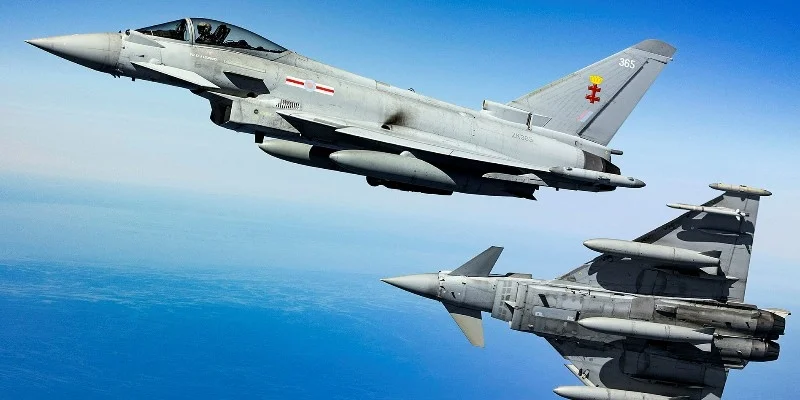
UK to Deploy RAF Typhoon Fighter Jets to Defend Saudi Arabia Against Iran-Backed Houthi Attacks
The United Kingdom will deploy RAF Typhoon fighter jets to help defend Saudi Arabia against Iran-backed Houthi missile and drone attacks. British Defence Secretary Wes Streeting said the aircraft would perform defensive missions without striking Houthi targets, following deadly attacks on Riyadh airport and escalating fighting in Yemen.
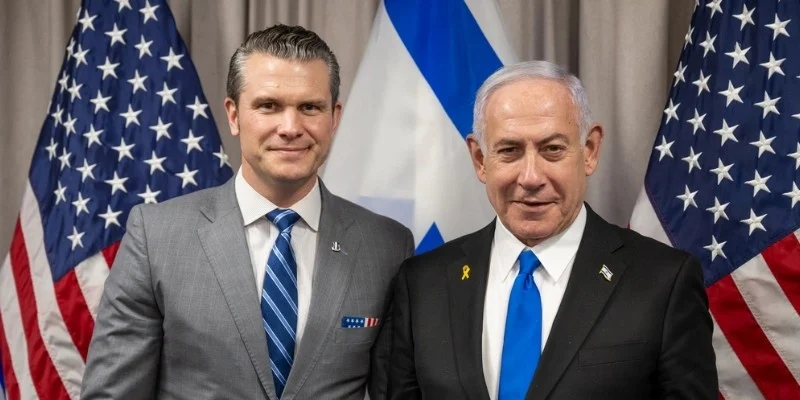
US Defense Secretary Pete Hegseth Meets Netanyahu in Unannounced Israel Visit Amid Rising Tensions With Iran
US Defense Secretary Pete Hegseth met Israeli Prime Minister Benjamin Netanyahu during an unannounced visit to Israel to discuss Iran and regional security threats. The meeting came amid rising tensions over the Strait of Hormuz, intensified Iran-backed Houthi attacks on Saudi Arabia, and preparations for upcoming Israeli and US elections.
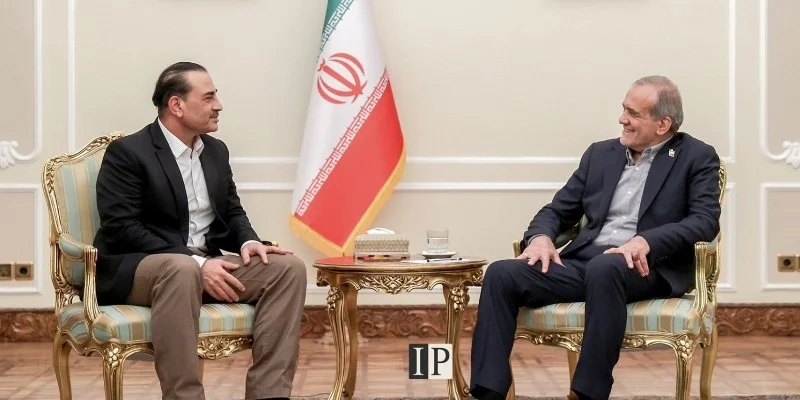
Pakistan’s Asim Munir Meets Iran’s Pezeshkian and Ghalibaf as Islamabad Vows to Continue US-Iran Mediation
Pakistan’s Field Marshal Asim Munir met Iranian President Masoud Pezeshkian and Parliament Speaker Mohammad Bagher Ghalibaf in Tehran as Islamabad stepped up efforts to revive US-Iran negotiations. Ghalibaf said Washington must meet Iran’s seven conditions to restore trust, while Foreign Minister Ishaq Dar reaffirmed Pakistan’s commitment to mediation following the collapse of an earlier ceasefire agreement.
Israeli Airstrikes and Gunfire Kill Four Palestinians in Gaza, Including Teenager, Despite Ceasefire
Israeli Airstrikes and Gunfire Kill Four Palestinians in Gaza, Including Teenager, Despite Ceasefire GAZA (Terror Monitor) — At least four Palestinians, including a 17-year-old boy and a married couple, were killed in Israeli airstrikes and separate shooting incidents across the Gaza Strip on Tuesday, according to medical officials, as violence continues despite a US-brokered ceasefire. The deaths were reported in Gaza City, the southern city of Khan Younis and the eastern Gaza City neighbourh