
Pakistan’s Asim Munir Meets Iran’s Pezeshkian and Ghalibaf as Islamabad Vows to Continue US-Iran Mediation
· 410 views
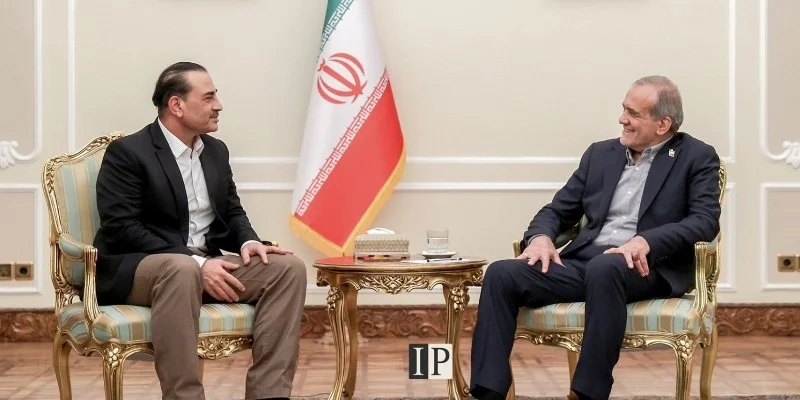
TEHRAN (Terror Monitor) — Pakistan’s Chief of Defence Forces and Army Chief, Field Marshal Asim Munir, met Iranian President Masoud Pezeshkian and Parliament Speaker Mohammad Bagher Ghalibaf in Tehran on Tuesday as Islamabad intensified diplomatic efforts to ease tensions between Iran and the United States and prevent a renewed military confrontation.
Munir arrived in the Iranian capital on Tuesday accompanied by Pakistan’s Interior Minister Mohsin Naqvi for talks with senior Iranian officials. The discussions focused on bilateral relations, regional security developments and diplomatic efforts to reduce tensions, according to Iranian media.
Iran’s semi-official Nournews reported that Pezeshkian discussed mediation efforts and regional developments during his meeting with Munir. Reuters also reported on the meeting, describing Pakistan as a key mediator between Washington and Tehran.
The visit comes amid continuing tensions over the Strait of Hormuz, a strategic waterway vital to global energy supplies, and an ongoing US naval blockade of Iranian ports. Diplomatic efforts to revive an earlier ceasefire arrangement have struggled to make progress following renewed hostilities.
Pakistan’s Prime Minister Shehbaz Sharif, Deputy Prime Minister and Foreign Minister Ishaq Dar, and Field Marshal Munir have all played prominent roles in efforts to facilitate communication between the two adversaries.
Ghalibaf Says US Must Meet Seven Iranian Conditions
During his meeting with Munir, Iranian Parliament Speaker Mohammad Bagher Ghalibaf said Washington could not regain Tehran’s trust without fulfilling seven conditions presented by Iran, according to an Iranian account of the meeting.
Ghalibaf’s remarks highlighted Tehran’s position that any diplomatic breakthrough must address its security concerns and the restrictions imposed by the United States.
According to Reuters, the Iranian conditions include lifting the US naval blockade on Iranian ports, removing sanctions on Iranian oil exports and ending hostilities across regional fronts. The demands are linked to Iran’s position on reopening the Strait of Hormuz.
Ghalibaf said Iran did not seek war but was fully prepared to defend its territory and national dignity.
He also said threats and military exercises would not influence Iran’s strategic decisions.
The parliament speaker argued that the United States had become trapped in a difficult situation because of what he described as miscalculations and its decision to initiate war against Iran. He said Washington was responsible for taking the necessary steps to resolve the crisis.
The comments underline the continuing gap between the two sides. Tehran has made the removal of the naval blockade and other US restrictions central to its demands, while Washington has maintained pressure on Iran amid the wider regional confrontation.
No breakthrough in negotiations was announced following Munir’s meetings in Tehran.
Pakistan Pledges to Continue Mediation
Separately, Pakistan’s Deputy Prime Minister and Foreign Minister Ishaq Dar reaffirmed Islamabad’s commitment to continuing mediation between the United States and Iran.
Addressing the 25th meeting of the Shanghai Cooperation Organisation Council of Heads of Government in Dushanbe, Tajikistan, on Tuesday, Dar said Pakistan believed negotiations and diplomacy were the most effective means of resolving regional tensions.
According to Iran’s state news agency IRNA, Dar said Pakistan would continue its efforts to facilitate communication between Washington and Tehran and reduce tensions in West Asia and the Persian Gulf.
He said Islamabad’s diplomatic engagement reflected its commitment to constructive diplomacy and efforts to promote lasting peace and stability.
Dar also emphasised the importance of multilateral cooperation, arguing that sustainable solutions to regional disputes required collective action and peaceful negotiations.
His statement came as Munir held talks with Iran’s senior political leadership, highlighting Pakistan’s parallel military and diplomatic engagement with Tehran.
Pakistan has sought to maintain communication with both Washington and Tehran despite the deterioration in relations between the two countries.
Earlier Ceasefire Agreement Collapsed
Pakistan previously hosted negotiations between the United States and Iran in April and played a role in securing a temporary ceasefire agreement in June.
However, the arrangement, referred to in reporting as the Islamabad Memorandum, quickly faltered after renewed fighting between the two countries several weeks later.
Reuters reported that Pakistan’s earlier mediation efforts had resulted in the interim agreement, but subsequent hostilities undermined the arrangement and complicated attempts to restore negotiations.
The failure of the ceasefire has left regional tensions unresolved, particularly around the Strait of Hormuz, where the confrontation has raised concerns about maritime security, international shipping and global energy supplies.
Pakistan’s latest diplomatic initiative comes as Washington continues its naval blockade of Iranian ports, while Tehran insists that the restrictions must be lifted as part of any agreement to reopen the strategic waterway.
Munir’s visit is therefore part of Islamabad’s broader effort to keep diplomatic channels open and explore the possibility of renewed negotiations.
Pezeshkian Discusses Regional Developments With Munir
During his meeting with Munir, President Pezeshkian discussed regional developments and mediation efforts aimed at reducing tensions, according to Nournews.
The meeting reflected Tehran’s continued engagement with Pakistan as Islamabad attempts to facilitate communication between Iran and the United States.
Pakistan shares a long border with Iran and has an interest in preventing a wider regional conflict that could affect its security, trade and economic stability.
A prolonged confrontation could also disrupt energy supplies and maritime trade across the Persian Gulf, with consequences extending well beyond the immediate region.
While Iranian officials have reiterated their readiness to defend the country against further attacks, Pakistan has continued to emphasise diplomacy as the preferred means of resolving the crisis.
The meetings in Tehran did not produce a publicly announced agreement, and officials have not disclosed whether a new round of US-Iran negotiations has been scheduled.
Diplomatic Efforts Continue Amid Naval Blockade
Munir’s visit comes at a critical point in the confrontation, with the United States maintaining its naval blockade of Iranian ports and Iran insisting that Washington address its conditions before trust can be restored.
The Strait of Hormuz remains central to the dispute because of its importance to international oil and gas shipments. Continued restrictions and military tensions around the waterway have heightened concerns about the potential economic consequences of a prolonged crisis.
Pakistan’s mediation efforts face the challenge of bridging the gap between Washington’s security demands and Tehran’s insistence that sanctions, maritime restrictions and military hostilities be addressed.
Dar’s remarks in Dushanbe and Munir’s meetings with Pezeshkian and Ghalibaf indicate that Islamabad intends to continue pursuing diplomatic engagement despite the collapse of the earlier ceasefire arrangement.
For Pakistan, the immediate priority is to keep communication open between Washington and Tehran, reduce the risk of renewed fighting and create conditions for negotiations that could restore stability across the region. Whether the latest diplomatic efforts can produce a new agreement remains uncertain.
Related Articles
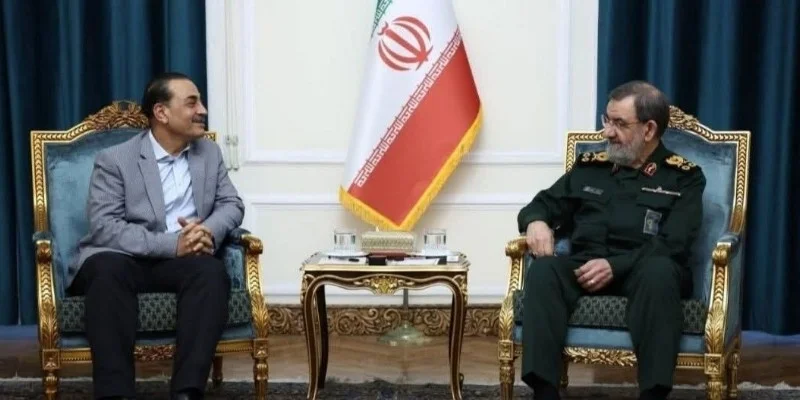
Iran Rejects Sending Enriched Uranium Abroad as Pakistan Army Chief Concludes Tehran Visit
Iran has ruled out transferring any enriched uranium abroad as Pakistan’s Army Chief Field Marshal Asim Munir concludes his Tehran visit amid stalled negotiations with Washington. Iranian officials insist that the nuclear material is a national asset and that talks cannot resume until Tehran’s demands are addressed.
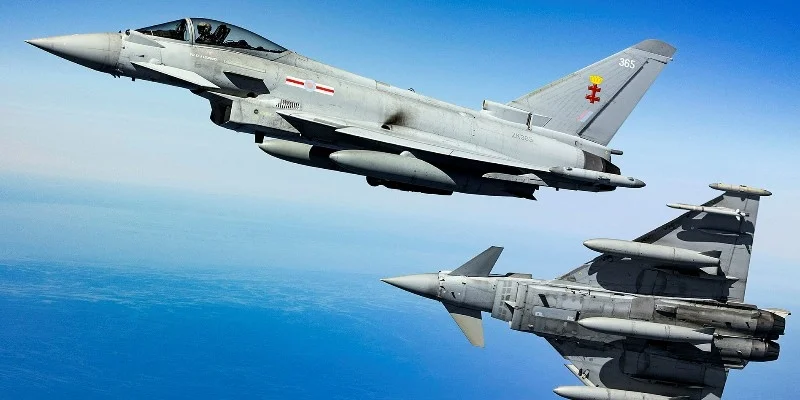
UK to Deploy RAF Typhoon Fighter Jets to Defend Saudi Arabia Against Iran-Backed Houthi Attacks
The United Kingdom will deploy RAF Typhoon fighter jets to help defend Saudi Arabia against Iran-backed Houthi missile and drone attacks. British Defence Secretary Wes Streeting said the aircraft would perform defensive missions without striking Houthi targets, following deadly attacks on Riyadh airport and escalating fighting in Yemen.
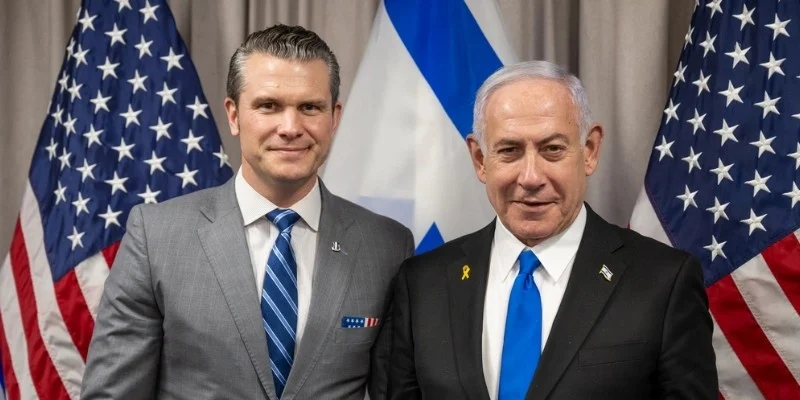
US Defense Secretary Pete Hegseth Meets Netanyahu in Unannounced Israel Visit Amid Rising Tensions With Iran
US Defense Secretary Pete Hegseth met Israeli Prime Minister Benjamin Netanyahu during an unannounced visit to Israel to discuss Iran and regional security threats. The meeting came amid rising tensions over the Strait of Hormuz, intensified Iran-backed Houthi attacks on Saudi Arabia, and preparations for upcoming Israeli and US elections.
Israeli Airstrikes and Gunfire Kill Four Palestinians in Gaza, Including Teenager, Despite Ceasefire
Israeli Airstrikes and Gunfire Kill Four Palestinians in Gaza, Including Teenager, Despite Ceasefire GAZA (Terror Monitor) — At least four Palestinians, including a 17-year-old boy and a married couple, were killed in Israeli airstrikes and separate shooting incidents across the Gaza Strip on Tuesday, according to medical officials, as violence continues despite a US-brokered ceasefire. The deaths were reported in Gaza City, the southern city of Khan Younis and the eastern Gaza City neighbourh