
UK to Deploy RAF Typhoon Fighter Jets to Defend Saudi Arabia Against Iran-Backed Houthi Attacks
· 49 views
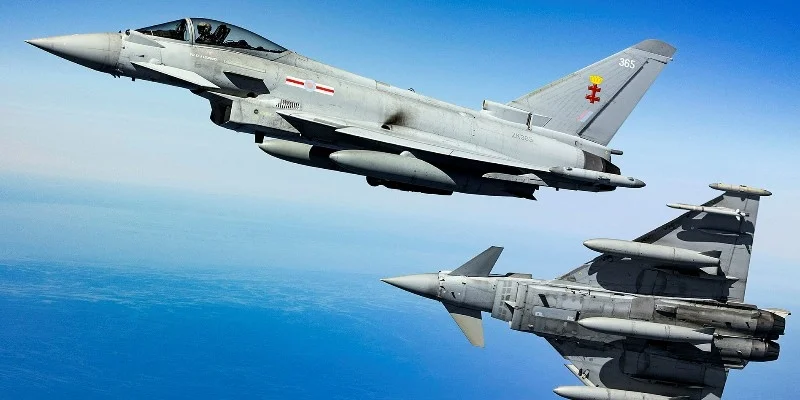
LONDON (Terror Monitor) — The United Kingdom will deploy Royal Air Force (RAF) Typhoon fighter jets to conduct defensive air missions over Saudi Arabia amid escalating missile and drone attacks by Iran-backed Houthi rebels targeting Saudi cities, airports and critical energy infrastructure.
British Prime Minister Andy Burnham has authorized the deployment as part of an expanded military assistance package intended to help Saudi Arabia intercept incoming aerial threats and protect civilian populations and strategic installations.
British Defence Secretary Wes Streeting announced the decision in a written statement to Parliament on Tuesday, October 20, saying the aircraft would operate exclusively in a defensive capacity and would not conduct offensive strikes against Houthi targets in Yemen.
The deployment follows a series of Houthi-claimed attacks on Saudi Arabia, including strikes on King Khalid International Airport in Riyadh and energy infrastructure along the kingdom's coast. The escalating attacks have raised concerns about civilian safety, regional stability and the security of international energy supplies.
According to the British government, the additional assistance will also include an RAF A400M military transport aircraft to move defence equipment within Saudi Arabia, military advisers to support Saudi staff officers and an extension of existing air-to-air refuelling support for another 90 days.
RAF Typhoons to Conduct Defensive Air Operations
Under the new arrangement, RAF Typhoon fighter jets will conduct defensive counter-air missions to help protect Saudi cities, civilian populations and critical national infrastructure from missiles and drones launched by the Houthis.
The British aircraft will be tasked with helping defend Saudi airspace against incoming aerial threats rather than carrying out direct attacks on Houthi positions inside Yemen.
In his statement, Streeting said the continuing attacks against Britain's Saudi ally were unacceptable and warned that the targeting of Riyadh's international airport demonstrated the extent to which the Houthis were escalating the conflict.
The British Defence Secretary said the additional military assistance was intended to strengthen Saudi Arabia's ability to protect its territory and population.
The deployment expands Britain's existing defensive contribution to Saudi Arabia, which already includes air-defence equipment and air-to-air refuelling support for Saudi military aircraft.
The British government has also emphasized that it does not regard military action alone as a long-term solution to the conflict in Yemen. London continues to support a United Nations-led political process aimed at securing a lasting settlement.
According to the British Ministry of Defence, the growing instability threatens regional security, international shipping and energy supplies, with potential economic consequences for British businesses and households.
Deadly Houthi Attacks on Riyadh Airport
The British decision follows a series of attacks attributed to the Iran-backed Houthis against Saudi Arabia, including a deadly missile strike on King Khalid International Airport in Riyadh on October 10.
Saudi authorities reported that the attack killed at least 12 people and injured more than 300 others. Some subsequent reports cited a death toll of 13, reflecting differences in the figures reported during the aftermath of the incident.
The victims included Saudi citizens and foreign nationals from several countries.
The attack was described in international media reports as one of the deadliest strikes against Saudi Arabia in more than a decade.
The airport has also been targeted in other attacks during October, raising concerns about the vulnerability of civilian aviation infrastructure and the potential consequences of further strikes.
The attacks have disrupted aviation operations and intensified pressure on Saudi Arabia and its international partners to strengthen air defences.
The British government has condemned attacks on civilian targets and said Saudi Arabia has the right to defend its territory and population.
Saudi Energy Infrastructure Also Under Threat
Alongside attacks on airports, the Houthis have claimed operations against strategic energy facilities in Saudi Arabia.
The reported targets have included oil installations and other infrastructure considered important to the kingdom's energy sector.
The attacks have heightened concerns about the security of Saudi oil production and export facilities, particularly amid broader instability affecting the Middle East and international energy markets.
Saudi Arabia is a major global oil producer, and any sustained disruption to its energy infrastructure could have consequences for international oil supplies, shipping costs and energy prices.
Britain's Ministry of Defence said the escalating violence threatens the stability of regional trade routes and risks disrupting energy supplies.
The government has therefore presented its expanded military assistance as part of an effort to protect Saudi territory and critical infrastructure while reducing the risk of further escalation.
However, the RAF's newly announced fighter missions will remain defensive, and British aircraft will not conduct offensive strikes against Houthi targets under the stated arrangement.
More Than 70 Security Personnel Reportedly Killed in Yemen Camp Attack
The deployment comes as fighting intensifies inside Yemen between the Houthis and forces loyal to the internationally recognized government.
Earlier this week, a Houthi ballistic missile attack targeted the Al-Alam military camp near Ataq, the capital of Shabwa province in central Yemen.
According to the spokesperson for the Saudi-backed Yemeni armed forces, the Houthis fired three ballistic missiles at the camp, killing more than 70 security personnel.
The attack reportedly targeted a facility used by government-aligned forces for military training.
The Houthi military spokesperson said the operation targeted positions belonging to what the group described as the Saudi enemy.
However, the Houthis' account of the intended targets and the circumstances of the attack could not be independently verified.
International reporting has also cited different casualty figures. The Associated Press reported that at least 53 people were killed and more than 200 wounded, while other reports put the death toll higher. The discrepancy reflects differences in casualty reporting as information emerged from the scene.
The attack underscores the growing intensity of the confrontation between the Houthis and the Saudi-backed Yemeni government.
The conflict has also raised concerns about the safety of military recruits and personnel at training facilities, as well as the risk of further attacks against government-controlled areas.
Houthis Cite Saudi Airstrikes in Yemen
The Houthis have continued military operations against Saudi Arabia while fighting Saudi-backed forces inside Yemen.
The group controls large areas of western and northwestern Yemen, including the capital, Sanaa, which it seized in 2014 after forcing the internationally recognized government out of the city.
Saudi Arabia subsequently supported the Yemeni government in its campaign against the Houthis.
The rebels have justified their recent operations as retaliation for attacks on areas under their control in western Yemen.
According to the Houthi-run Health Ministry, Saudi air and artillery attacks since September 3 have killed at least 141 people and wounded 395 others in Houthi-controlled areas of northwestern Yemen.
Separately, Yemen's government-run Health Ministry reported last week that at least 1,282 people had been killed nationwide since August 6 during the wider conflict.
The figures cover different reporting periods and geographical areas and should not be directly compared. The full extent of casualties remains difficult to establish amid continuing hostilities and limited independent access to some affected locations.
The latest developments demonstrate how the fighting inside Yemen has increasingly spilled across borders, exposing Saudi cities, airports and energy facilities to attacks while contributing to mounting civilian and military casualties.
Britain Expands Military Support but Rules Out Offensive RAF Strikes
The deployment of Typhoon fighter jets represents a significant expansion of Britain's direct contribution to Saudi Arabia's air defence.
In addition to the fighter missions, the United Kingdom will provide transport aircraft and military advisers, while extending its existing air-to-air refuelling arrangement for Saudi defensive operations.
The British government has stressed that the additional support does not amount to a decision to launch offensive operations against the Houthis.
Instead, London says its immediate objective is to help protect Saudi cities, civilians and critical infrastructure from aerial attacks.
The government has also reiterated its support for diplomatic efforts and a UN-led political process to end the conflict in Yemen.
The challenge for Britain and its regional partners will be to strengthen Saudi Arabia's defences without further widening the conflict, particularly as the Houthis continue to launch attacks against Saudi targets and fight government-aligned forces inside Yemen.
With airports, energy infrastructure and military facilities increasingly exposed to missile and drone attacks, the latest British deployment highlights growing international concern over the security implications of the conflict.
Whether the expanded defensive mission can prevent further attacks remains uncertain, as fighting continues in Yemen and diplomatic efforts to secure a lasting settlement face significant challenges.
Related Articles
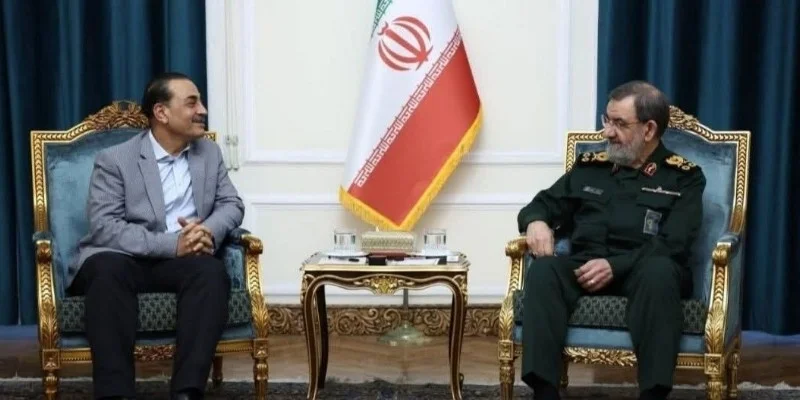
Iran Rejects Sending Enriched Uranium Abroad as Pakistan Army Chief Concludes Tehran Visit
Iran has ruled out transferring any enriched uranium abroad as Pakistan’s Army Chief Field Marshal Asim Munir concludes his Tehran visit amid stalled negotiations with Washington. Iranian officials insist that the nuclear material is a national asset and that talks cannot resume until Tehran’s demands are addressed.

US Defense Secretary Pete Hegseth Meets Netanyahu in Unannounced Israel Visit Amid Rising Tensions With Iran
US Defense Secretary Pete Hegseth met Israeli Prime Minister Benjamin Netanyahu during an unannounced visit to Israel to discuss Iran and regional security threats. The meeting came amid rising tensions over the Strait of Hormuz, intensified Iran-backed Houthi attacks on Saudi Arabia, and preparations for upcoming Israeli and US elections.
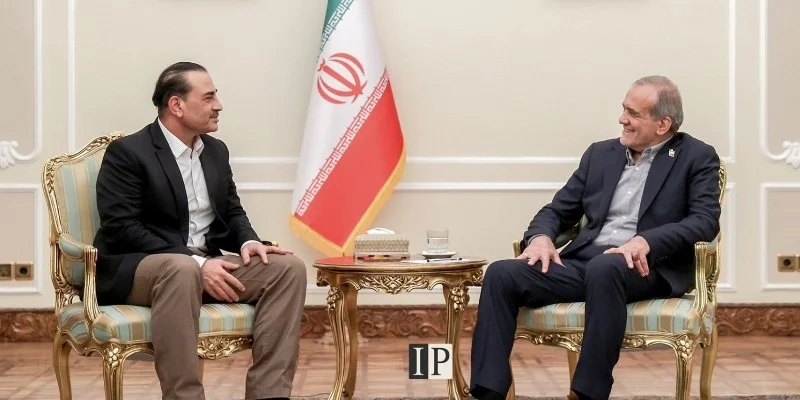
Pakistan’s Asim Munir Meets Iran’s Pezeshkian and Ghalibaf as Islamabad Vows to Continue US-Iran Mediation
Pakistan’s Field Marshal Asim Munir met Iranian President Masoud Pezeshkian and Parliament Speaker Mohammad Bagher Ghalibaf in Tehran as Islamabad stepped up efforts to revive US-Iran negotiations. Ghalibaf said Washington must meet Iran’s seven conditions to restore trust, while Foreign Minister Ishaq Dar reaffirmed Pakistan’s commitment to mediation following the collapse of an earlier ceasefire agreement.
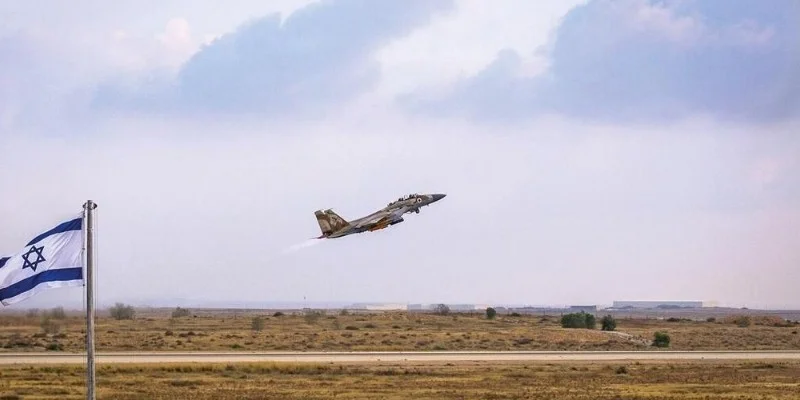
Israeli Airstrikes and Gunfire Kill Four Palestinians in Gaza, Including Teenager, Despite Ceasefire
Israeli Airstrikes and Gunfire Kill Four Palestinians in Gaza, Including Teenager, Despite Ceasefire GAZA (Terror Monitor) — At least four Palestinians, including a 17-year-old boy and a married couple, were killed in Israeli airstrikes and separate shooting incidents across the Gaza Strip on Tuesday, according to medical officials, as violence continues despite a US-brokered ceasefire. The deaths were reported in Gaza City, the southern city of Khan Younis and the eastern Gaza City neighbourh