
More Than 250,000 Displaced as Renewed Fighting and Houthi Blockade Deepen Yemen’s Humanitarian Crisis
· 39 views
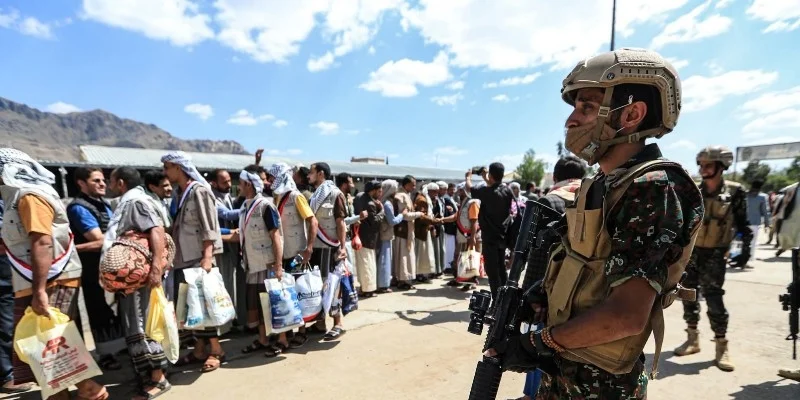
New York (Terror Monitor) — More than 250,000 people have been forced to flee their homes amid renewed fighting in Yemen, the United Nations said on Tuesday, warning that the humanitarian situation in the southwestern city of Taiz has deteriorated sharply as access to essential supplies and humanitarian assistance becomes increasingly restricted.
The UN expressed particular concern for civilians who have sought refuge in Taiz city and surrounding areas, where access has become almost impossible because of escalating hostilities and the closure of a critical supply route connecting Taiz to the southern port city of Aden.
UN High Commissioner for Human Rights Volker Türk warned that the Iran-backed Houthi movement’s closure of the only supply route linking Taiz to Aden was putting civilians at grave risk by obstructing humanitarian aid deliveries and cutting off access to essential goods.
“The Houthis’ closure of the only supply route linking Taiz to Aden is placing civilians at grave risk, blocking humanitarian aid and cutting off essential supplies,” Türk said, according to the UN statement.
Türk called on the Houthis to immediately allow humanitarian assistance to reach Taiz and ensure that civilians can obtain food, medicine, water and other necessities.
32 Civilians Killed, Including 14 Children
According to Türk, the UN has verified that at least 32 civilians were killed across Taiz governorate between August 1 and October 19. The victims included 14 children and nine women.
A further 115 civilians were injured during the same period, including 36 children and 34 women, according to figures released by the UN human rights chief.
Türk warned that the danger to civilians was increasing as fighting moved closer to densely populated areas of Taiz city.
He urged all parties to the conflict to avoid using explosive weapons with wide-area effects in populated areas and to take all feasible precautions to protect civilians and civilian infrastructure.
The UN has repeatedly warned that civilians remain exposed to the consequences of intensified fighting, including deaths, injuries, displacement and the destruction of infrastructure needed to sustain daily life.
Taiz Faces Growing Shortages of Essential Supplies
The closure of the route to Aden has further restricted the movement of humanitarian supplies and commercial goods into Taiz, worsening an already critical situation for residents and displaced families.
The city has long been a major battleground in Yemen’s conflict and remains strategically important because of its location and road connections between government-held areas in the south and Houthi-controlled territory.
A Reuters report published on October 16 described Taiz as a besieged city where the Iran-backed Houthis were tightening their grip amid renewed fighting with forces aligned with Yemen’s internationally recognised government.
The report said the humanitarian crisis was worsening as families struggled with shortages of food, water and fuel, while residents faced the threat of continued shelling and violence. More than 233,000 people had been displaced in the wider conflict at that point, including over 121,000 in Taiz governorate.
The latest UN figure indicates that the number of people displaced by renewed fighting has now exceeded 250,000.
The restrictions on supply routes are also threatening the delivery of medical supplies and other essential goods to vulnerable communities. Aid agencies face significant logistical challenges in reaching people who have fled their homes or remain trapped in areas affected by the fighting.
Renewed Fighting Reverses Period of Relative Calm
Yemen has endured years of conflict between the Iran-backed Houthi movement and the internationally recognised government, which is supported by a Saudi-led coalition.
The latest escalation has undermined a period of relative calm following the 2022 UN-brokered truce. Fighting has intensified across several front lines, increasing the risks faced by civilians and placing additional pressure on the country’s already fragile health and humanitarian systems.
A Reuters analysis published on October 16 highlighted Taiz’s strategic importance, noting that a Houthi advance could significantly alter the balance of power in southern Yemen and threaten government access to key areas and routes leading towards the Bab al-Mandab Strait.
The renewed hostilities have also disrupted humanitarian operations beyond Taiz. Reuters reported on October 14 that intensified fighting had disrupted aid access for approximately 800,000 people, while hospitals were struggling to cope with a surge in war-related casualties.
UN Warns of Increasing Risks to Civilians
The UN has called on all parties to the conflict to protect civilians, facilitate humanitarian access and allow people who wish to leave affected areas to do so safely.
Türk stressed that humanitarian assistance must be allowed into Taiz immediately and that civilians must not be prevented from accessing essential supplies or leaving areas where their lives are at risk.
The UN human rights chief also renewed calls for the immediate and unconditional release of UN personnel and other nongovernmental organisation workers who are being arbitrarily detained by the Houthis, and urged authorities to disclose the whereabouts of people held incommunicado.
The worsening situation in Taiz underscores the broader humanitarian consequences of Yemen’s renewed conflict. With hundreds of thousands displaced, civilian casualties mounting and critical supply routes blocked, international agencies warn that continued fighting could further undermine access to food, healthcare and other basic necessities.
The UN is urging the parties to the conflict to ease restrictions, permit immediate humanitarian access and take urgent steps to prevent further civilian deaths as the fighting continues.
Related Articles
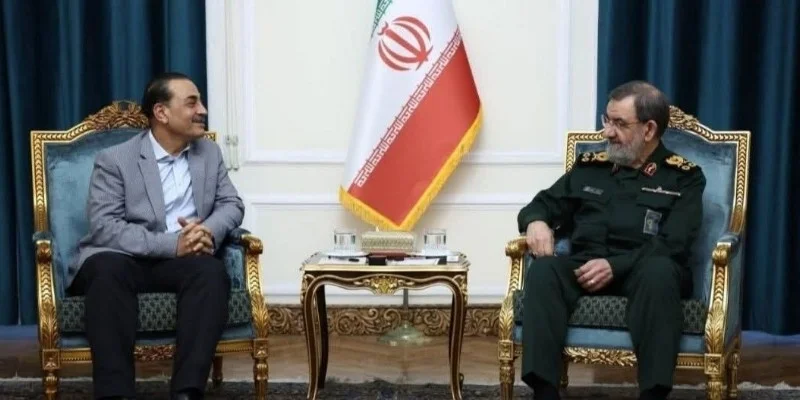
Iran Rejects Sending Enriched Uranium Abroad as Pakistan Army Chief Concludes Tehran Visit
Iran has ruled out transferring any enriched uranium abroad as Pakistan’s Army Chief Field Marshal Asim Munir concludes his Tehran visit amid stalled negotiations with Washington. Iranian officials insist that the nuclear material is a national asset and that talks cannot resume until Tehran’s demands are addressed.
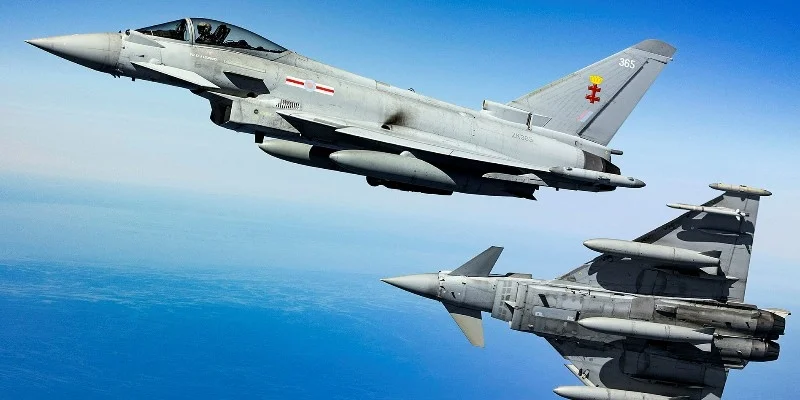
UK to Deploy RAF Typhoon Fighter Jets to Defend Saudi Arabia Against Iran-Backed Houthi Attacks
The United Kingdom will deploy RAF Typhoon fighter jets to help defend Saudi Arabia against Iran-backed Houthi missile and drone attacks. British Defence Secretary Wes Streeting said the aircraft would perform defensive missions without striking Houthi targets, following deadly attacks on Riyadh airport and escalating fighting in Yemen.

US Defense Secretary Pete Hegseth Meets Netanyahu in Unannounced Israel Visit Amid Rising Tensions With Iran
US Defense Secretary Pete Hegseth met Israeli Prime Minister Benjamin Netanyahu during an unannounced visit to Israel to discuss Iran and regional security threats. The meeting came amid rising tensions over the Strait of Hormuz, intensified Iran-backed Houthi attacks on Saudi Arabia, and preparations for upcoming Israeli and US elections.
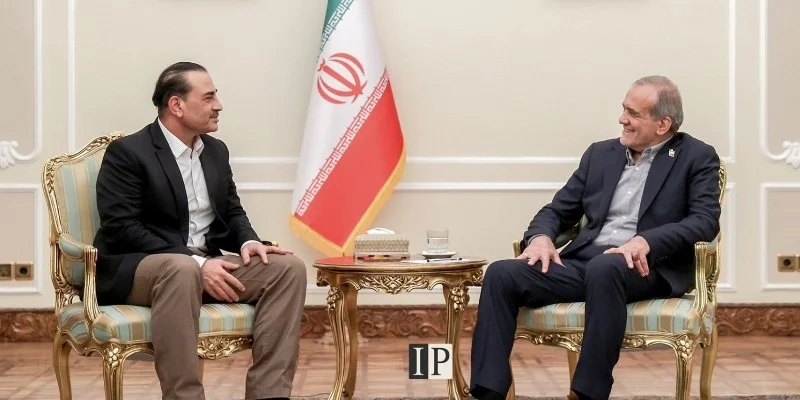
Pakistan’s Asim Munir Meets Iran’s Pezeshkian and Ghalibaf as Islamabad Vows to Continue US-Iran Mediation
Pakistan’s Field Marshal Asim Munir met Iranian President Masoud Pezeshkian and Parliament Speaker Mohammad Bagher Ghalibaf in Tehran as Islamabad stepped up efforts to revive US-Iran negotiations. Ghalibaf said Washington must meet Iran’s seven conditions to restore trust, while Foreign Minister Ishaq Dar reaffirmed Pakistan’s commitment to mediation following the collapse of an earlier ceasefire agreement.