
Netanyahu Says Overthrowing Iran’s Government Is the Only Way to Eliminate Threat
· 59 views

Jerusalem (Terror Monitor) — Israeli Prime Minister Benjamin Netanyahu has declared that overthrowing Iran’s government is the only way to eliminate what he described as a persistent threat to Israel, saying he has issued instructions to the Israeli military, intelligence agency Mossad and other security institutions to pursue that objective.
Speaking at an election campaign rally in the southern Israeli city of Dimona on Wednesday, October 21, Netanyahu accused Tehran of seeking to destroy Israel and develop nuclear weapons, claiming that Israeli actions had prevented Iran from achieving those objectives.
“Iran wanted to destroy us; we stopped them. They wanted to produce nuclear bombs; we stopped them. Yet they persist,” Netanyahu said, according to Agence France-Presse (AFP).
He added that there was only one way to bring the situation to an end: “by toppling this regime.”
Netanyahu said he had issued the directive to the Israel Defense Forces (IDF), Mossad and the country's other security agencies. However, he did not explain how the order would be implemented or provide a timeline for any operation aimed at bringing down Iran's government.
Netanyahu Escalates Calls for Regime Change
Netanyahu's remarks represent a forceful public declaration of regime change as a central objective of Israel's policy toward Iran.
For years, Israel has identified Iran's nuclear programme, ballistic missile capabilities and support for armed groups across the Middle East as major security concerns.
The Israeli government has repeatedly warned that Iran could eventually develop nuclear weapons, a charge Tehran has consistently denied.
At the Dimona rally, Netanyahu argued that previous efforts to prevent Iran from acquiring nuclear weapons had not ended the threat, claiming that Tehran continued to pursue its nuclear ambitions despite the setbacks it had suffered.
His comments did not include publicly disclosed operational details explaining how Israeli security agencies would seek to overthrow the Iranian government.
The statement also comes amid heightened tensions between Israel and Iran and renewed debate over whether military pressure can achieve Israel's stated security objectives.
According to AFP, Netanyahu made the remarks during the final week of campaigning ahead of Israel's October 27 election, placing his comments within an increasingly contentious domestic political environment.
Netanyahu Repeats Nuclear Weapons Allegations
A central element of Netanyahu's argument was the allegation that Iran continues to seek a nuclear bomb.
Iran has consistently maintained that its nuclear programme is intended for peaceful purposes and has rejected allegations that it is pursuing nuclear weapons.
The dispute over Tehran's nuclear activities has remained a major source of tension between Iran and Israel, as well as between Iran and Western governments.
Israel has long viewed the possibility of an Iranian nuclear weapon as a strategic threat. Tehran, meanwhile, has accused Israel of using the nuclear issue to justify military pressure and undermine its security.
Netanyahu's latest remarks suggest that Israel's concerns extend beyond Iran's nuclear infrastructure to the political system governing the country.
However, his speech did not provide independently verified evidence establishing that Iran is currently pursuing a nuclear weapon.
The International Atomic Energy Agency (IAEA) is the principal international body responsible for monitoring Iran's declared nuclear activities and assessing compliance with its nuclear safeguards obligations.
The distinction between uranium enrichment, which can have civilian applications, and the production of a nuclear weapon remains central to the dispute.
Israeli Military and Mossad Named in Directive
Netanyahu explicitly named the IDF and Mossad, alongside Israel's wider security establishment, when describing the instructions he had issued.
The IDF is responsible for Israel's military operations, while Mossad conducts foreign intelligence activities. Other Israeli security institutions also play roles in national security, intelligence gathering and counterterrorism.
Netanyahu did not clarify whether the directive referred to military action, intelligence operations, efforts to weaken Iran's leadership or a combination of measures.
He also did not announce a specific timetable for implementation.
The absence of operational details leaves uncertainty about what practical steps, if any, will follow from the public declaration.
Nevertheless, the statement signals that Netanyahu is presenting the removal of Iran's current political leadership as a broader objective than simply disrupting its nuclear programme.
Israel's Defence Minister Issues Fresh Warning to Iran
Netanyahu's comments came as Israeli Defence Minister Israel Katz also issued a warning to Tehran.
Speaking at a graduation ceremony for Israeli military officer cadets in southern Israel on Wednesday, Katz said the Iranian government was at what he described as its weakest point and warned that Israel would respond forcefully if Iran attacked.
“If Iran attacks Israel, Iran will burn!” Katz said, according to AFP.
Katz also alleged that Iran and its regional allies could attempt to carry out attacks that might affect Israel's upcoming elections.
The comments underscored the Israeli government's continued emphasis on Iran as a major national security concern.
However, the allegations concerning possible attempts to influence or disrupt the election were not accompanied by publicly disclosed evidence in the reports covering the remarks.
Reports of Possible Renewed Strikes Against Iran
Netanyahu's declaration comes amid reports that Israel has been considering the possibility of renewed military action against Iran.
According to a report published by the Financial Times and cited by AFP, Netanyahu had instructed the Israeli military earlier this month to prepare for potential renewed strikes against Iran.
The report also indicated that US President Donald Trump had objected to the proposal.
Trump has publicly said that he does not intend to restart the war before the US midterm elections in early November.
The reported disagreement highlights the potential complications facing Israel as it considers further military action, particularly given Washington's central role in the conflict and its influence over regional security arrangements.
Netanyahu has continued to emphasise his close relationship with Trump. Earlier this week, he thanked the US president for endorsing him in Israel's election campaign and said the two leaders had work remaining to complete concerning Iran.
The precise scope of any proposed renewed military operation, however, remains unclear.
US-Israel Coordination and Regional Security
The future of US-Israeli coordination over Iran remains a key factor in determining how the confrontation develops.
Washington and Jerusalem share concerns about Iran's nuclear programme and regional activities, but the two governments may differ over the timing, scale and objectives of further military action.
A strategy aimed at overthrowing Iran's government would also raise questions extending beyond military operations, including the potential consequences for regional stability and the political future of Iran.
Iran is a major regional state with extensive security institutions and relationships with armed groups across the Middle East. Any attempt to bring down its government could have consequences well beyond its borders.
Potential risks include retaliatory attacks, further disruption to regional security and renewed confrontation involving Israel, Iran and other regional actors.
Netanyahu's public statement did not address these potential consequences or explain what political arrangements Israel would seek to establish following any change of government in Tehran.
Iran Continues to Reject Nuclear Weapons Accusations
Iran has repeatedly denied seeking to develop nuclear weapons, maintaining that its nuclear programme is designed for peaceful purposes, including energy production and scientific research.
The dispute has persisted despite diplomatic efforts aimed at limiting Iran's nuclear activities and providing international assurances about the programme's nature.
Israel has argued that diplomatic measures alone are insufficient to prevent Iran from acquiring nuclear weapons, while Iranian officials have rejected what they describe as threats and interference in the country's internal affairs.
Netanyahu's latest remarks place the question of Iran's political leadership at the centre of Israel's stated strategy, although it remains unclear what concrete measures the Israeli government intends to pursue following the announcement.
The key question now is whether Netanyahu's directive will lead to new military or intelligence operations against Iran, or whether it primarily signals Israel's longer-term objective of changing the country's political leadership.
Related Articles
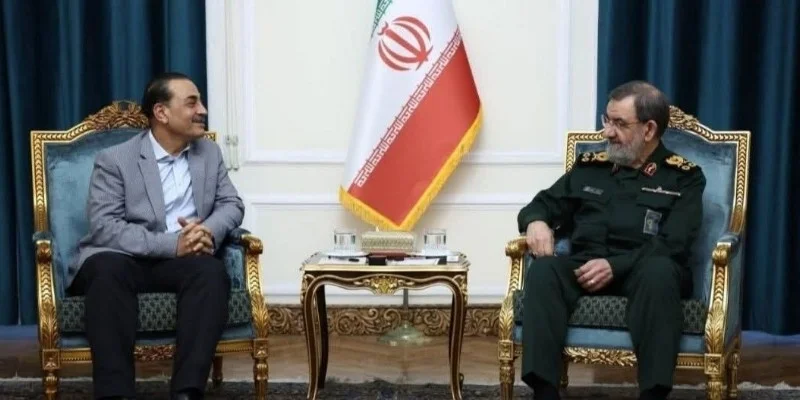
Iran Rejects Sending Enriched Uranium Abroad as Pakistan Army Chief Concludes Tehran Visit
Iran has ruled out transferring any enriched uranium abroad as Pakistan’s Army Chief Field Marshal Asim Munir concludes his Tehran visit amid stalled negotiations with Washington. Iranian officials insist that the nuclear material is a national asset and that talks cannot resume until Tehran’s demands are addressed.
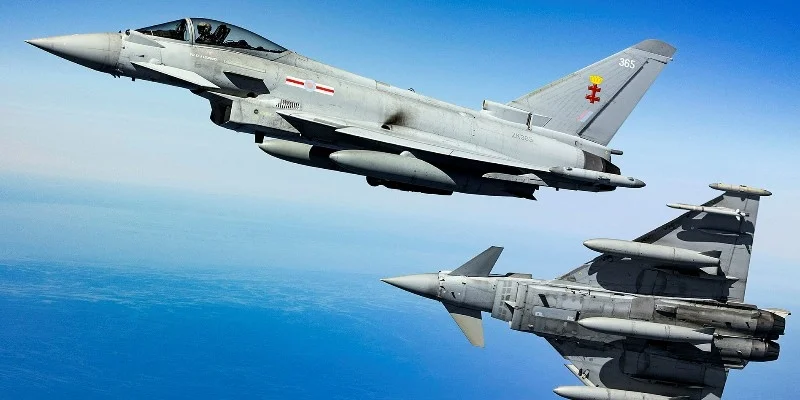
UK to Deploy RAF Typhoon Fighter Jets to Defend Saudi Arabia Against Iran-Backed Houthi Attacks
The United Kingdom will deploy RAF Typhoon fighter jets to help defend Saudi Arabia against Iran-backed Houthi missile and drone attacks. British Defence Secretary Wes Streeting said the aircraft would perform defensive missions without striking Houthi targets, following deadly attacks on Riyadh airport and escalating fighting in Yemen.
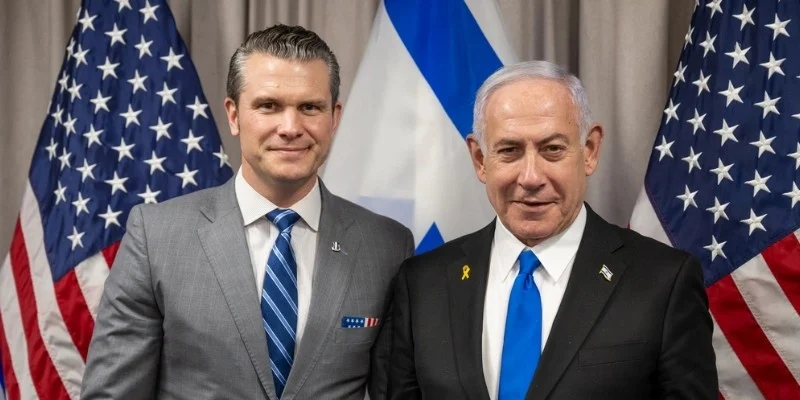
US Defense Secretary Pete Hegseth Meets Netanyahu in Unannounced Israel Visit Amid Rising Tensions With Iran
US Defense Secretary Pete Hegseth met Israeli Prime Minister Benjamin Netanyahu during an unannounced visit to Israel to discuss Iran and regional security threats. The meeting came amid rising tensions over the Strait of Hormuz, intensified Iran-backed Houthi attacks on Saudi Arabia, and preparations for upcoming Israeli and US elections.
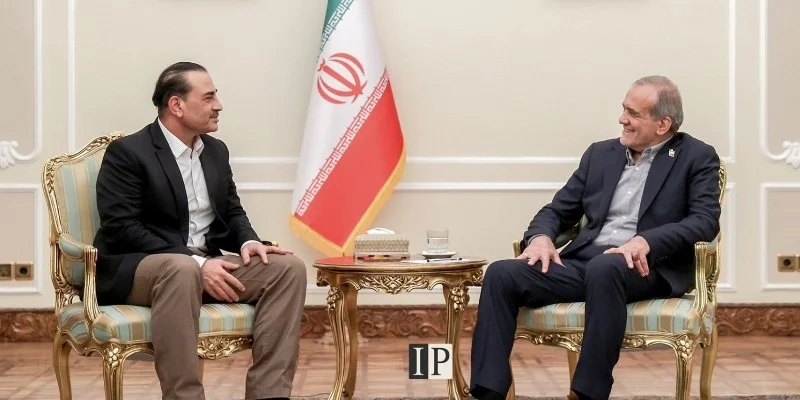
Pakistan’s Asim Munir Meets Iran’s Pezeshkian and Ghalibaf as Islamabad Vows to Continue US-Iran Mediation
Pakistan’s Field Marshal Asim Munir met Iranian President Masoud Pezeshkian and Parliament Speaker Mohammad Bagher Ghalibaf in Tehran as Islamabad stepped up efforts to revive US-Iran negotiations. Ghalibaf said Washington must meet Iran’s seven conditions to restore trust, while Foreign Minister Ishaq Dar reaffirmed Pakistan’s commitment to mediation following the collapse of an earlier ceasefire agreement.