
Pakistan: Field Marshal Asim Munir Meets U.S. Congressional Delegation
· 67 views
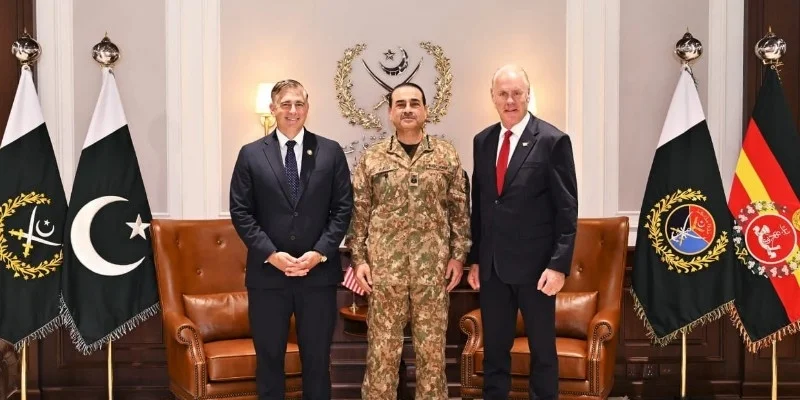
Islamabad (Terror Monitor) —Pakistan's Chief of Army Staff, Field Marshal Syed Asim Munir, met a delegation of U.S. lawmakers at the General Headquarters (GHQ) in Rawalpindi to discuss regional security, defense cooperation, and economic ties.
According to the military's media wing, the Inter-Services Public Relations (ISPR), the delegation included Rep. Ryan Keith Zinke of Montana and Rep. Michael James Baumgartner of Washington.
The two sides discussed matters of mutual interest, including the regional security environment, bilateral defense cooperation, and opportunities to strengthen economic collaboration and prosperity.
Discussions also focused on expanding bilateral trade, enhancing private-sector partnerships, and promoting stronger institutional and commercial ties between Pakistan and the United States.
Field Marshal Munir highlighted Pakistan's economic potential, saying that sustainable regional stability depends on economic growth, increased trade, and greater regional connectivity. He also outlined ongoing reforms aimed at improving the business environment and attracting foreign investment.
According to ISPR, the U.S. delegation acknowledged Pakistan's role in promoting regional stability and economic development. The lawmakers also thanked Pakistan's military leadership for its hospitality and reaffirmed their shared commitment to strengthening economic, trade, and institutional relations between the two countries.
Related Articles

US Intelligence Chief Warns Iran Has Intensified Plots Against Americans Abroad
US intelligence chief Jay Clayton has warned that Iran has significantly intensified efforts to target American personnel in the Middle East and other countries. In a memo to Secretary of State Marco Rubio, Clayton said alleged lethal plots had reached advanced stages. The warning comes as Washington orders nonessential diplomatic personnel to leave Saudi Arabia amid growing concerns over Iranian threats and Houthi attacks across the region.

Russia Arrests German National Accused of Fighting for Ukraine as a Mercenary
Russia’s FSB has arrested a German national accused of fighting for Ukraine as a mercenary. Russian authorities claim he previously fought in Afghanistan and Syria and served as a sniper in Ukraine.
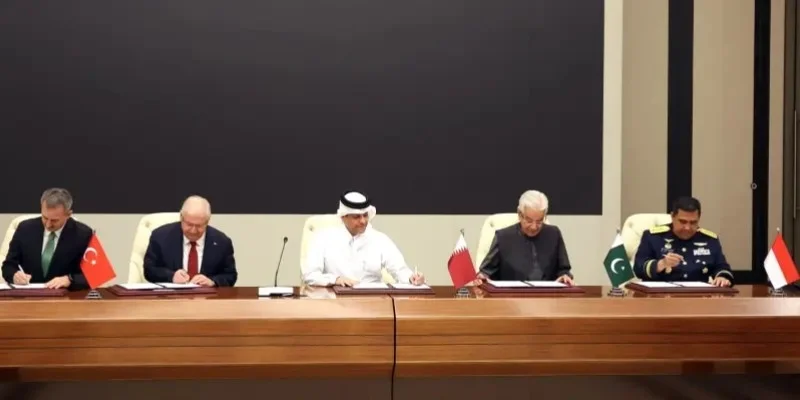
Turkey, Qatar, Pakistan and Indonesia Sign ‘Badr’ Defence Pact to Boost Military Production
Türkiye, Qatar, Pakistan and Indonesia have signed the Badr Memorandum of Understanding in Doha to strengthen defence industry cooperation, expand military production and promote collaboration in technology, training, research and development amid rising regional security concerns.
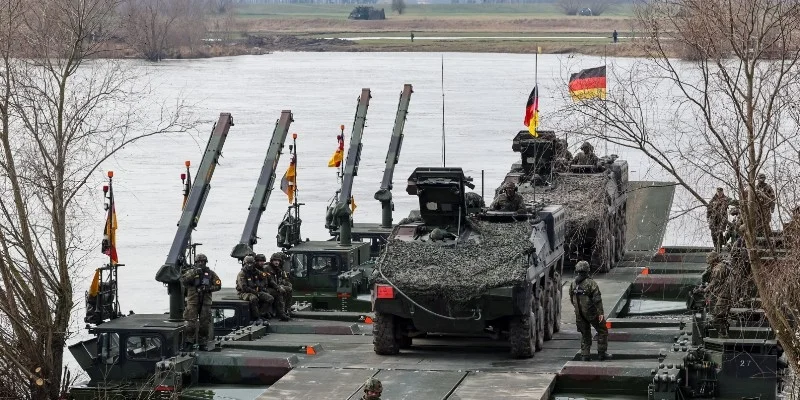
Germany Tests Secret NATO War Plan as Fears of Possible Russian Attack Grow
Germany is testing its classified NATO defense plan through military exercises simulating Russian threats, sabotage and troop movements. The plan envisages moving 800,000 soldiers and 200,000 military and support vehicles across Germany within six months during a major crisis.