
Satellite imagery reveals extensive damage to Iran’s military and nuclear facilities
· 125 views
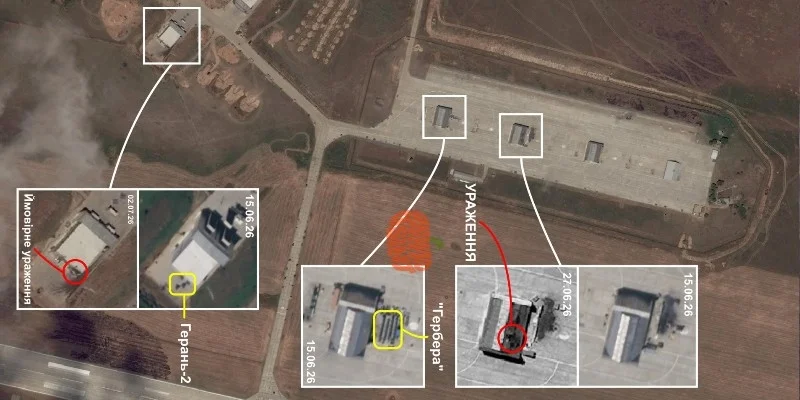
WASHINGTON, D.C. (Terror Monitor) — Planet Labs, a leading satellite imagery provider, has released high-resolution images of multiple military and nuclear sites in Iran, offering new insight into the scale and nature of reported damage.
According to reports, the company has restored access to imagery covering nearly 800 locations in Iran, after access was restricted in March at the request of the U.S. government. The dataset includes more than 250,000 satellite images collected over time.
Defense analysts and international media outlets reviewing the imagery have focused on key sites in Isfahan and Bushehr, highlighting significant damage to several strategic facilities.
Widespread damage in Bushehr
Satellite images reportedly show extensive damage across multiple military installations around the coastal city of Bushehr, with some sites appearing completely destroyed.
According to the military intelligence firm Janes, the affected facilities include military and government buildings, aircraft hangars, ammunition depots, naval repair centers, and missile launch positions. The imagery indicates severe structural damage or total destruction at multiple locations.
Reports suggest that both Iranian government facilities and Islamic Revolutionary Guard Corps (IRGC) sites were among those impacted. Several areas identified on open-source mapping platforms as military zones appear to have suffered near-total destruction of infrastructure.
Isfahan and Natanz sensitive sites
Isfahan province hosts two of Iran’s key nuclear-related facilities in Isfahan city and Natanz. The satellite imagery analysis indicates damage to multiple military installations in the region.
Janes reported that at the Shikari Heshtham Air Base, several ammunition storage units were damaged. In southern Isfahan, more than 60 structures at one military installation were reportedly damaged or destroyed.
Additionally, around a dozen buildings were affected at another military facility near Baharestan.
According to analysts, the satellite imagery provides a clearer understanding of strike patterns, target selection, and the extent of damage to military infrastructure across Iran.
Related Articles
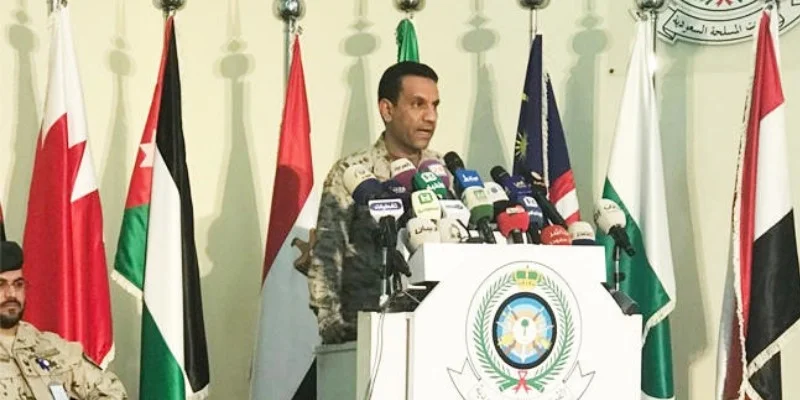
Saudi-Led Coalition Says It Intercepted Three Houthi Ballistic Missiles as Fighting Intensifies in Yemen
A Saudi-led coalition said it intercepted and destroyed three ballistic missiles fired by Iran-backed Houthis toward Khamis Mushait in southern Saudi Arabia. The Houthis claimed Saudi Arabia carried out 94 attacks in Yemen within 24 hours, as fighting intensified around the strategic city of Taiz.
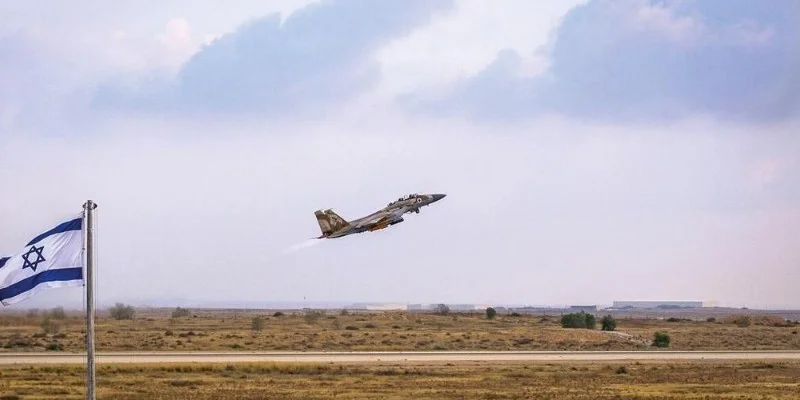
Israeli Airstrike on Gaza Residential Building Kills at Least Five Hamas Fighters
At least five Hamas fighters were killed in an Israeli airstrike on a residential building in Gaza City early Saturday, according to Gaza health officials and aid workers. The strike comes amid a fragile ceasefire, with disputes over Hamas’s disarmament and Israeli troop withdrawal continuing. Gaza officials say at least 1,400 Palestinians have been killed since the truce began in October 2025.
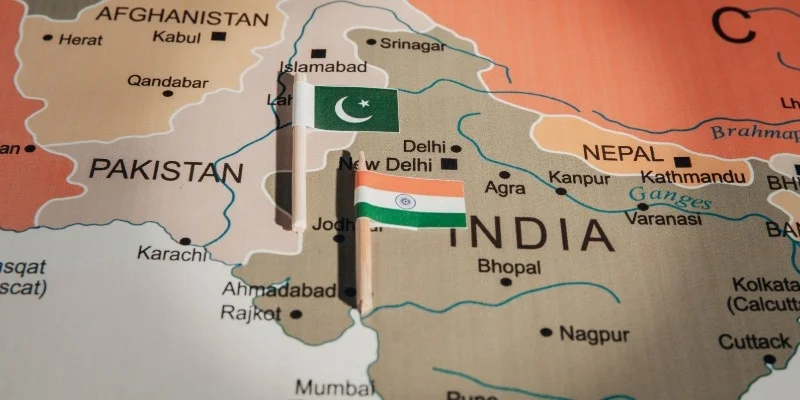
Two Pakistanis Killed, One Injured in Indian BSF Firing in Kasur
Two Pakistani civilians, Azmat Rasool and Mohsin Jutt, were killed and another injured in a shooting involving India’s Border Security Force near the international border in Kasur district. Pakistani sources said the men were shot without warning, while Indian media, citing BSF sources, claimed the two killed were attempting to cross into Indian Punjab illegally.

Saudi-Led Coalition Accuses Iran-Backed Houthis of Drone Attack on Power Facility in Madinah
Saudi-led coalition accused Iran-backed Houthis of launching a drone attack on an electricity distribution station in Madinah that supplies the Prophet’s Mosque. The strike reportedly disabled one transformer without disrupting the wider power network. The Houthis denied responsibility as Turkey, Qatar, the Arab League and Al-Azhar condemned the alleged attack.