
Saudi Oil Pipeline Hit by Drones, Iraq Shuts Iran Border Crossings
· 72 views
BAGHDAD (Terror Monitor) — The Iraqi government has said that a drone attack targeting a major Saudi oil pipeline was launched from Iraq’s southeastern Maysan province, prompting Baghdad to order an investigation and remove the local military commander from his post.
Iraqi Prime Minister Ali al-Zubaidi ordered an investigation into the Maysan Operations Command after preliminary findings indicated that the attack targeting Saudi Arabia originated from a location in the province, which borders Iran.
Saudi Arabia on Friday temporarily shut down its major East-West oil pipeline, which transports crude from the country’s eastern oil-producing region to the Red Sea. The Saudi Foreign Ministry said multiple drones used in the attack had come from Iraq.
Riyadh said it would not immediately retaliate, instead giving the Iraqi government an opportunity to take necessary action against those responsible.
The attack has increased pressure on Baghdad to act against Iranian-backed militias operating inside Iraq. An alliance of Iranian-backed armed groups denied involvement in the attack, but Iraqi authorities confirmed that the operation had been launched from Iraqi territory.
Several Arab countries, including Kuwait, the United Arab Emirates, Oman and Egypt, condemned the attack.
The development comes as Baghdad faces growing pressure to disarm Iranian-backed militias. The Iraqi government has given non-state armed groups until September 30 to surrender their weapons, but several powerful militias have rejected the demand.
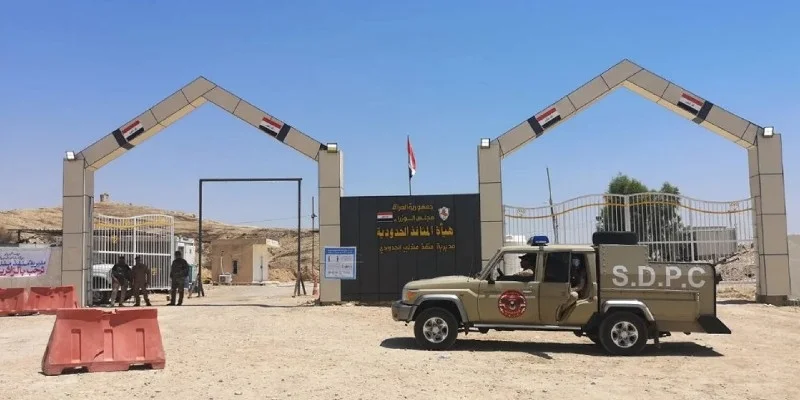
Iraq has also closed two major border crossings with Iran — Shalamcheh and Chazzabeh — indefinitely. Iraqi authorities said investigations were underway into previous violations and irregularities. Iranian state media reported that passenger and commercial traffic through both crossings had been suspended until further notice.
The Saudi pipeline attack comes as Iran-backed Houthi forces in Yemen have intensified their operations against Saudi-backed forces. The Houthis seized an island in the Bab al-Mandab Strait on Friday, a major maritime route through which around 12 percent of global trade passes.
Any disruption to shipping through the waterway could push global oil prices higher, particularly as the six-month war between Iran and the United States has already disrupted global energy markets.
U.S. President Donald Trump said Saturday that Iran was “probably” behind the Saudi pipeline attack. He also said the Houthis had held talks with the United States and did not want to fight American forces.
The conflict between the Houthis and Yemen’s government began in 2014, while Saudi Arabia intervened in 2015 in support of the Yemeni government. Fighting has intensified again following a fragile ceasefire that had been in place since 2022.
The United Nations says more than 46,000 people have been displaced in Yemen during the past week alone.
The latest developments have raised fears that Yemen’s civil war could once again escalate and that the activities of Iranian-backed militias in Iraq could contribute to a wider regional conflict.
Two Iraqi security sources told Reuters that Iraq had also ordered the closure of the Shalamcheh border crossing with Iran as a precaution following the drone attack on Saudi Arabia’s East-West oil pipeline.
Shalamcheh is one of the main land crossings between Iran and Iraq.
Reports indicate that the drone used in the attack on Saudi Arabia was launched from Maysan province in southeastern Iraq. The province borders Iran and its administrative capital is Amarah.
Related Articles
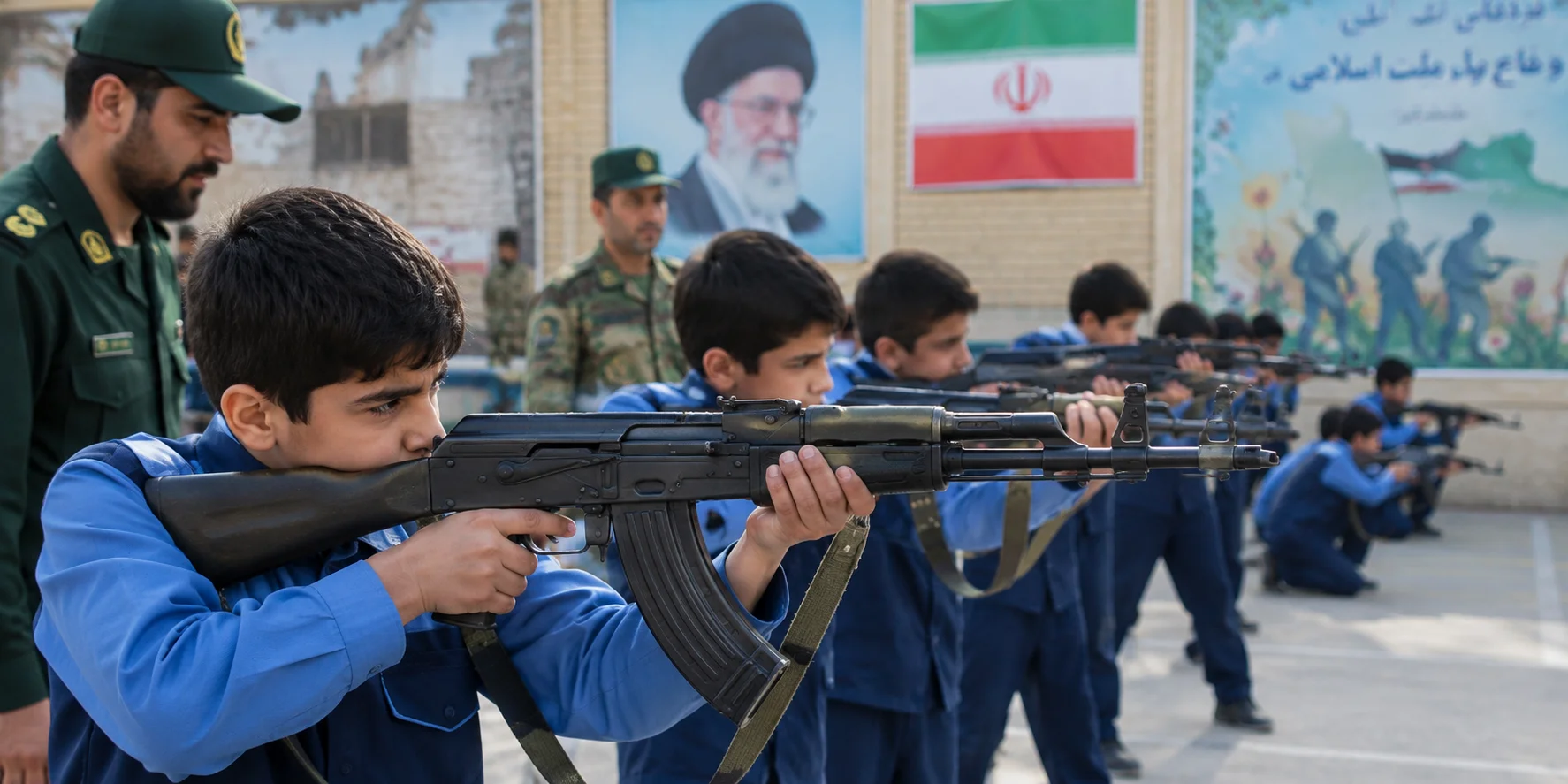
Iran Expands Military Training in Schools, Raising Concerns Over Children’s Recruitment and Security Role
Reports of firearms training for students, military-style identification tags and new youth programmes have raised concerns about the growing role of Iran’s military and security institutions in schools. Iranian authorities describe the initiatives as defensive and ideological education, while critics warn they risk exposing children to militarisation and security activities.
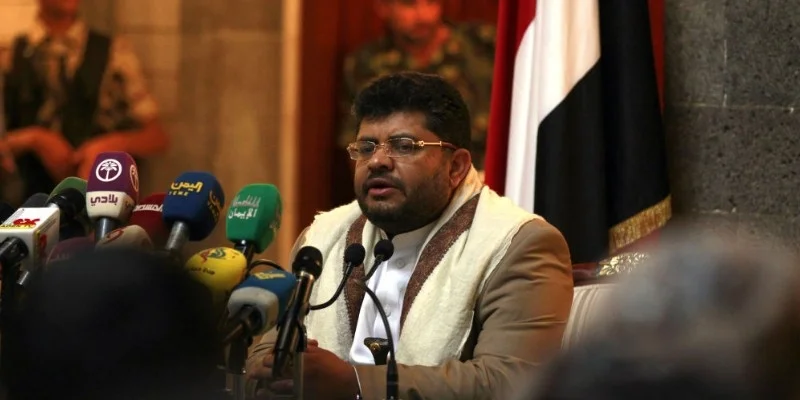
Houthi Leader Calls Egypt’s Military Support for Saudi Arabia a ‘Declaration of War’ Against Yemen
Houthi political bureau member Mohammed Ali al-Houthi has condemned Egypt’s authorization of military support for Saudi Arabia, calling it a “declaration of war” against Yemen. Cairo says its assistance would be limited to defending Saudi territory, as Riyadh reports intercepting three ballistic missiles and four drones.

Egypt’s Parliament Authorizes Military Support for Saudi Arabia Amid Escalating Houthi Attacks
Egypt’s parliament has authorized President Abdel Fattah al-Sisi to provide military support for Saudi Arabia amid escalating Houthi attacks. Cairo says any assistance would be limited to defending Saudi territory and borders, excluding offensive operations in Yemen, while continuing to pursue a diplomatic solution to the conflict.
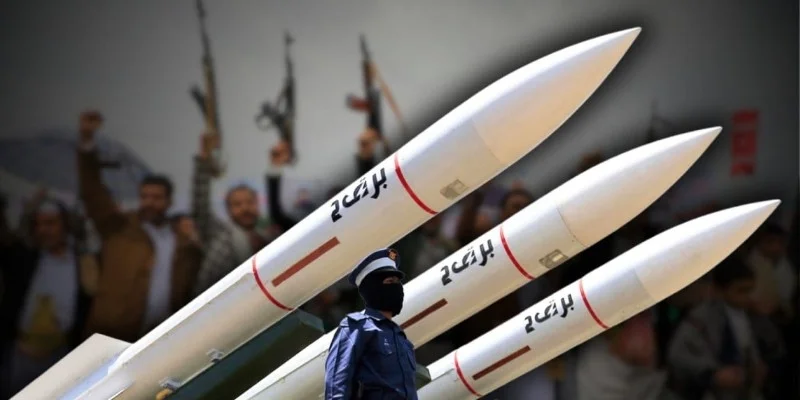
Houthi Attack on Saudi Arabia’s Dammam Airport Kills Two, Injures Eight
A Houthi attack on King Fahd International Airport in Dammam, Saudi Arabia, killed one Saudi citizen and one Indian national and injured eight others. Saudi aviation authorities confirmed that airport operations and flight movements have returned to normal, while security agencies assess the damage and strengthen protective measures.