
Trump Holds Off on Fresh Iran Strikes After Appeals From Gulf Leaders, Keeps Naval Blockade in Place
· 92 views
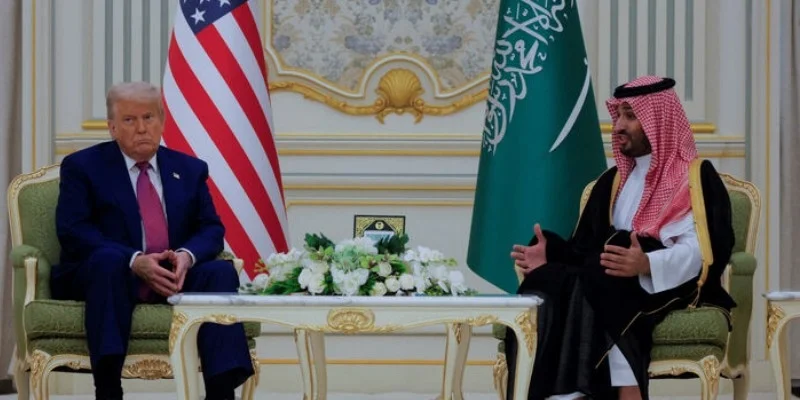
Washington, D.C. (Terror Monitor) — US President Donald Trump said Monday that he intends to refrain from launching further military strikes against Iran for the time being, following appeals from regional leaders, including Qatar's prime minister, during high-level discussions at the White House.
However, Trump said Washington would maintain its naval blockade against Iran and keep American forces on standby, warning that the United States remained prepared to resume military action if circumstances changed.
Speaking to Reuters in an interview and later addressing reporters in the White House briefing room, Trump said the United States was fully equipped for further military operations but did not currently see a need to use its military capabilities.
"The United States of America is fully locked and loaded with the best equipment ever made, and we don't think there's going to be any reason to use it," Trump said.
He explained that his decision to hold off on additional strikes followed requests from countries neighbouring Iran, specifically naming Qatar, Saudi Arabia, the United Arab Emirates, Bahrain and Kuwait.
Trump's remarks came after a meeting with Qatari Prime Minister and Foreign Minister Sheikh Mohammed bin Abdulrahman Al Thani, who has emerged as a key intermediary between Washington and Tehran.
The Qatari prime minister visited Tehran last week before travelling to Washington for discussions with Trump and Vice President JD Vance.
Following the meetings, Al Thani described his discussions with the American leadership as positive.
"Grateful for the positive discussions on reaching a deal and bringing peace to the region," he wrote in a post on the social media platform X.
Qatar has played a central role in diplomatic efforts to end the conflict, conveying messages between the two sides and seeking to bridge differences over a possible ceasefire, maritime security and Iran's nuclear programme.
Iran rejects US claims of progress in negotiations
Despite Trump's more conciliatory remarks, Iran's Supreme National Security Council Secretary Mohsen Rezaei rejected suggestions that meaningful negotiations with Washington were taking place.
In a post on X, Rezaei called on the United States to stop spreading what he described as false information about imaginary negotiations.
He also said Washington should accept the seven conditions repeatedly presented by Tehran for ending the conflict.
Iran's proposed framework includes an end to the US naval blockade of Iranian ports, the lifting of certain economic sanctions and a halt to American bombing.
In return, Tehran would end its own restrictions on shipping through the strategically important Strait of Hormuz, with negotiations on Iran's nuclear programme and remaining sanctions to take place at a later stage.
Iranian officials have maintained that the United States must address Tehran's demands before substantive negotiations can resume.
Foreign Ministry spokesman Esmaeil Baghaei defended the proposal on Monday, describing it as the most reasonable offer currently under consideration.
Washington rejects Tehran's conditions
The Trump administration has repeatedly rejected Iran's proposed conditions, arguing that they do not provide sufficient guarantees for a lasting settlement.
US Secretary of State Marco Rubio described Tehran's demands on Sunday as "outrageous and ridiculous and really not realistic."
Speaking to reporters ahead of a G7 foreign ministers' meeting in Paris, Rubio said diplomatic negotiations had made little progress and that he did not expect an immediate breakthrough.
He reiterated that Trump preferred a diplomatic resolution but said Washington would not accept what it considered unreasonable Iranian demands.
The disagreement centres on the sequence of steps required to end the conflict, particularly whether Washington should first lift its naval blockade and sanctions or whether Tehran should first reopen the Strait of Hormuz and address American concerns over its nuclear programme.
Iran war becomes a political issue in Washington
The diplomatic developments come amid growing domestic political pressure on the Trump administration following major Republican defeats in last week's US midterm elections.
Vice President JD Vance publicly attributed his party's electoral losses partly to the ongoing war with Iran, arguing that voters were dissatisfied with the conflict and its economic consequences.
Vance said many Americans who had supported Trump and the Republican Party in the 2024 presidential election had switched their votes in 2026 because they wanted the war to end.
The issue has also become a subject of debate within the Republican Party, with some senior figures questioning the political and economic costs of continuing the military campaign.
However, Rubio said the election results would not fundamentally change the administration's foreign policy.
Speaking in Paris on Monday, he stressed that Trump remained the principal decision-maker on American foreign policy and would continue pursuing his objectives in Iran.
Military tensions continue despite diplomatic efforts
Although Trump has indicated that further large-scale attacks are not currently necessary, military tensions between the two countries have not ended.
Reuters reported that American forces had carried out another strike on Iran's Qeshm Island overnight, according to Iranian state media.
Iran has also continued targeting commercial shipping in the Gulf and the Strait of Hormuz, with maritime incidents increasing during October and continuing into November.
Trump's decision to maintain the naval blockade while temporarily holding off on further strikes suggests that Washington is seeking to preserve military and economic pressure on Tehran while allowing regional diplomatic efforts to continue.
The United States and Iran remain divided over the future of Iran's nuclear programme, sanctions relief, maritime restrictions and the conditions for a comprehensive ceasefire.
With Qatar continuing its mediation efforts and other Gulf countries urging restraint, the coming days could prove important in determining whether the current diplomatic contacts can produce an agreement or whether the conflict will return to large-scale military confrontation.
Sources: Reuters, Associated Press, CBS News, Iranian Foreign Ministry and official statements from the White House and Qatar.
Related Articles
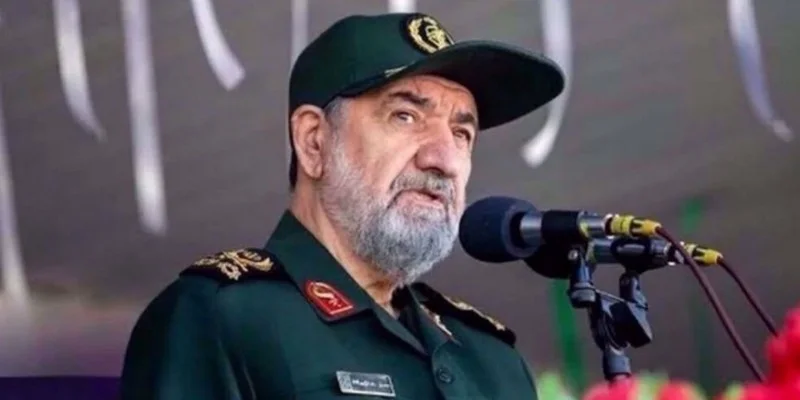
Iran Threatens to Strike US Military Bases Across Europe, Warns of Wider War Beyond Middle East
Iran has threatened to strike US military bases across Europe and other distant regions if Washington launches fresh attacks, warning that even islands previously considered beyond the reach of Iranian missiles could become targets. Tehran has also vowed to continue underground ballistic missile production and rejected transferring any enriched uranium abroad, as tensions with the United States remain high.
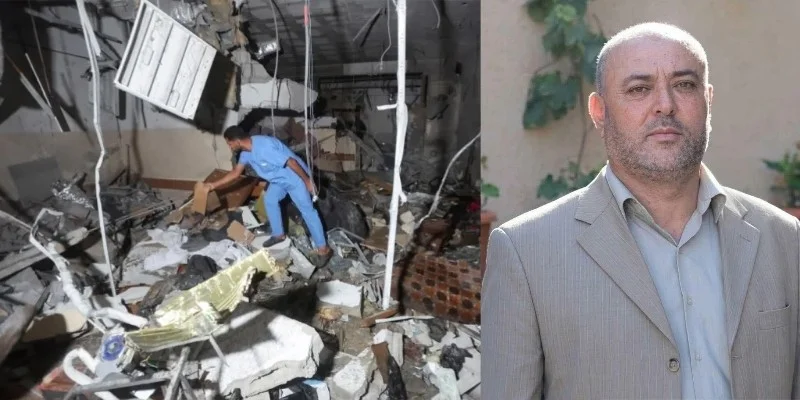
Israeli Airstrike on Gaza’s Nasser Hospital Kills Six, Including Surgeon
An Israeli airstrike on Nasser Hospital in southern Gaza has killed at least six Palestinians, including a surgeon and a 13-year-old boy, and wounded at least 28 others. Israel said it targeted a senior Hamas commander allegedly operating a military headquarters inside the hospital, but Palestinian reports said the commander was not among those killed.
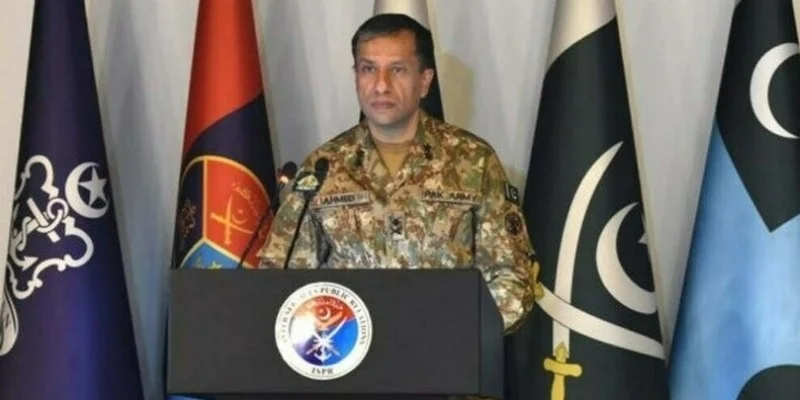
Pakistan Vows Rapid Military Deployment to Saudi Arabia Under Makkah Defence Alliance
Pakistan says it is preparing for the rapid deployment of agreed military forces and defence capabilities to Saudi Arabia under the Makkah Joint Defence Alliance, reaffirming that its commitment to the Kingdom’s security and sovereignty is “absolute and non-negotiable.”
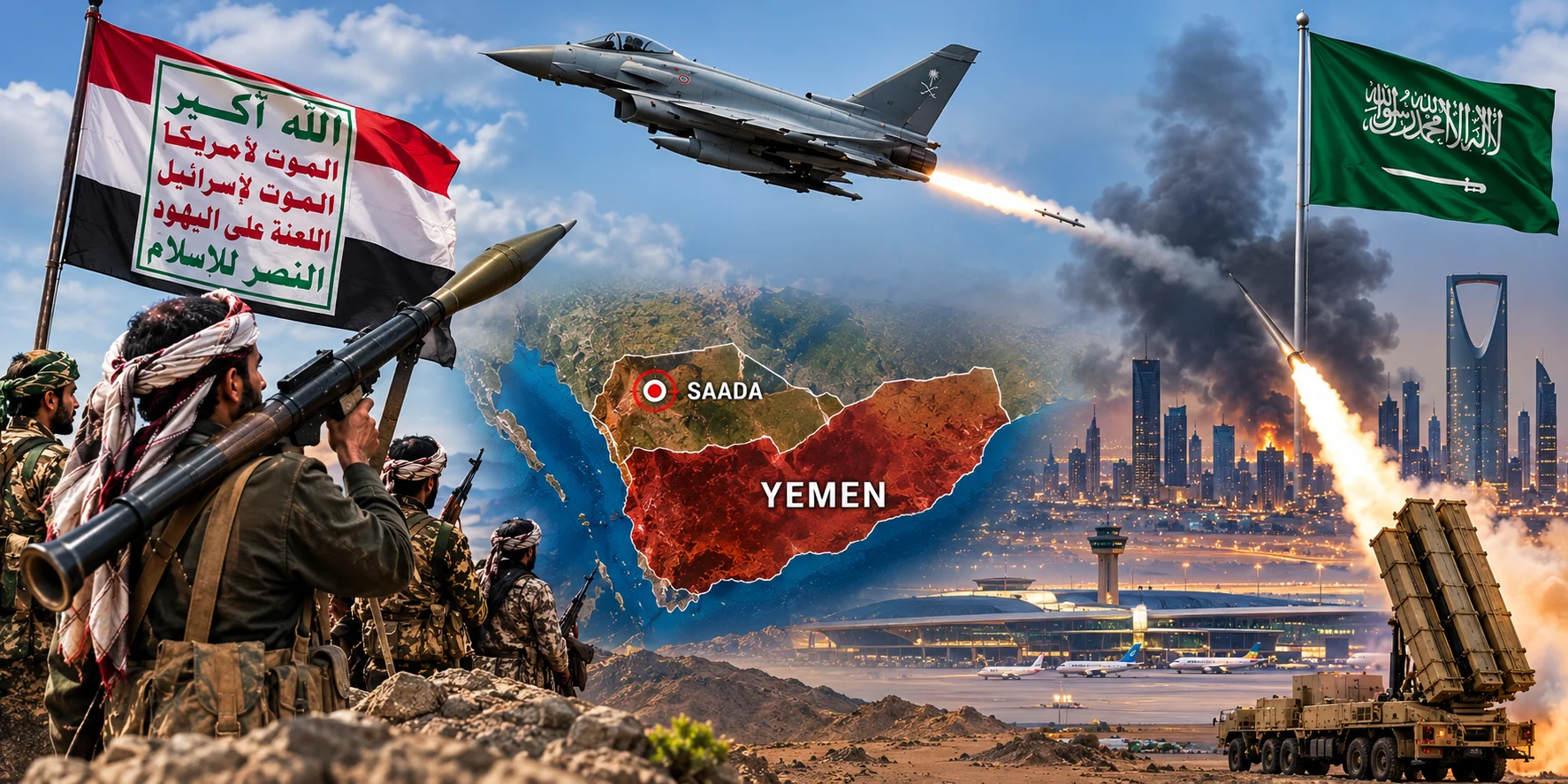
Houthis Launch Fresh Missile and Drone Attacks on Saudi Arabia as Missiles Strike Yemen’s Aden
Iran-backed Houthis Launch Fresh Missile and Drone Attacks on Saudi Arabia, Target Military Bases in Yemen’s Aden