
Trump’s Stark Warning to Iran: U.S. Threatens Strikes on Tehran’s Key Infrastructure Over Hormuz Attacks
· 88 views
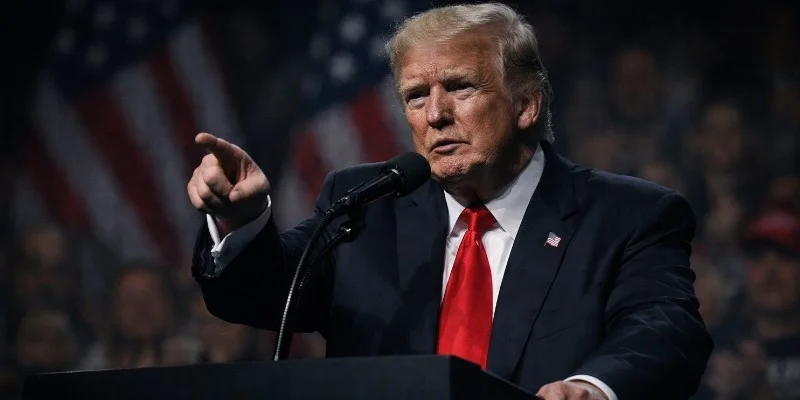
Washington (Shabbir Turi) — U.S. President Donald Trump has warned Iran that Washington will target Iranian infrastructure if Tehran attacks any vessel in the Strait of Hormuz with missiles, rockets, drones, or any other weapons.
In a statement posted on Truth Social, Trump said that whenever the Islamic Republic of Iran attacks a ship in the Strait of Hormuz, the United States would respond by bombing and destroying Iranian facilities.
He said potential U.S. targets could include bridges, power plants, and other key infrastructure, including facilities located near or inside the capital Tehran.
U.S. Strikes on Iran Continue
Meanwhile, U.S. military operations against Iran have reportedly continued for the 12th consecutive day.
Reports said the Iranian coastal areas of Jask and Bushehr were targeted by U.S. warplanes and missiles. Further details about the strikes have not yet been released.
Ehsan Jahaniyan, Bushehr’s deputy governor for political and security affairs, confirmed that the attacks on Bushehr caused explosions but resulted in no casualties.
Iranian officials said the strikes targeted areas near Khormoj city in Dashti County and that Bushehr was hit in two separate waves.
Jahaniyan said a missile strike on a power substation near the Bushehr nuclear power plant disrupted electricity supplies in the port area, but power was fully restored within less than two hours.
Iranian media also reported hearing at least three explosions near Sark.
Iran Claims Attacks on U.S. Bases
Iran has claimed that it carried out retaliatory attacks targeting U.S. military bases in Kuwait and Jordan.
Iranian officials said the targets included air defense systems, radar installations, and administrative facilities.
Kuwait’s military said its air defense systems were responding to drone attacks originating from Iran, while Bahrain said it had also thwarted Iranian attacks.
Jordan Says It Intercepted Missiles and Drones
Jordan’s military said it intercepted six missiles launched from Iran toward its territory.
The Jordanian army said its air defense systems destroyed four missiles, while two others fell in remote uninhabited areas, causing no casualties or damage.
Jordan also claimed that four Iranian drones targeting its territory were shot down.
Jordanian media reported explosions near the city of Aqaba, close to the Israeli city of Eilat, and said warning sirens were activated.
Iran Reports Casualties from U.S. Strikes
Iran’s Health Ministry said 53 people have been killed and 592 others injured during the latest wave of U.S. attacks on Iran.
Iranian Health Minister Hossein Kermanpour said the figures covered the period from June 27 to the morning of July 22.
However, Iranian authorities did not specify how many of those killed were military personnel and how many were civilians.
U.S. Military Casualties and War Costs
According to U.S. media reports, at least 18 American military personnel have been killed since the start of the U.S.-Israeli war against Iran.
The United States confirmed on July 17 that one of its military bases in Jordan had been targeted by Iranian missiles.
Reports said three U.S. soldiers were killed in an Iranian missile attack on the Muwaffaq Salti Air Base in Jordan, while another American service member was killed in a controlled explosion linked to a drone attack in Erbil, Iraq.
U.S. Defense Spending
U.S. Defense Secretary Pete Hegseth said Washington has spent approximately $37.5 billion on the ongoing war with Iran.
Speaking before the Senate Appropriations Committee, Hegseth said approval of an additional $87 billion for the Pentagon was urgently needed, including $67 billion for military operations in the Middle East.
The escalating confrontation between Washington and Tehran has increased fears of a wider regional conflict, particularly around the Gulf and the strategically important Strait of Hormuz.
Related Articles
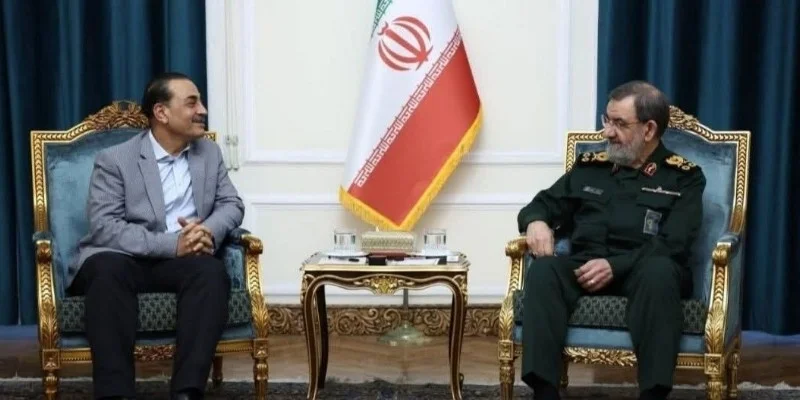
Iran Rejects Sending Enriched Uranium Abroad as Pakistan Army Chief Concludes Tehran Visit
Iran has ruled out transferring any enriched uranium abroad as Pakistan’s Army Chief Field Marshal Asim Munir concludes his Tehran visit amid stalled negotiations with Washington. Iranian officials insist that the nuclear material is a national asset and that talks cannot resume until Tehran’s demands are addressed.
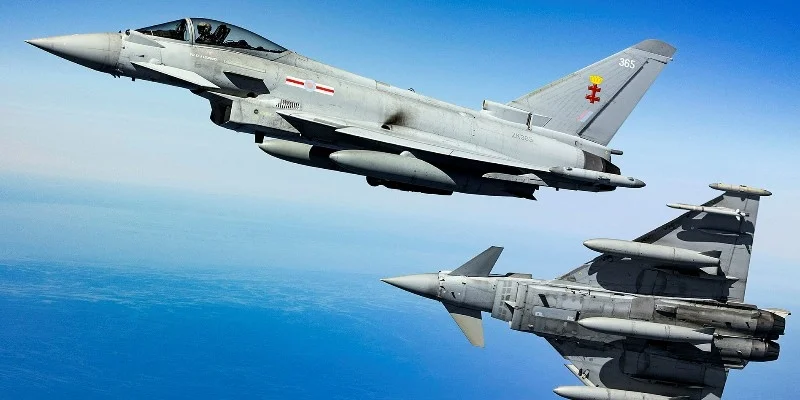
UK to Deploy RAF Typhoon Fighter Jets to Defend Saudi Arabia Against Iran-Backed Houthi Attacks
The United Kingdom will deploy RAF Typhoon fighter jets to help defend Saudi Arabia against Iran-backed Houthi missile and drone attacks. British Defence Secretary Wes Streeting said the aircraft would perform defensive missions without striking Houthi targets, following deadly attacks on Riyadh airport and escalating fighting in Yemen.
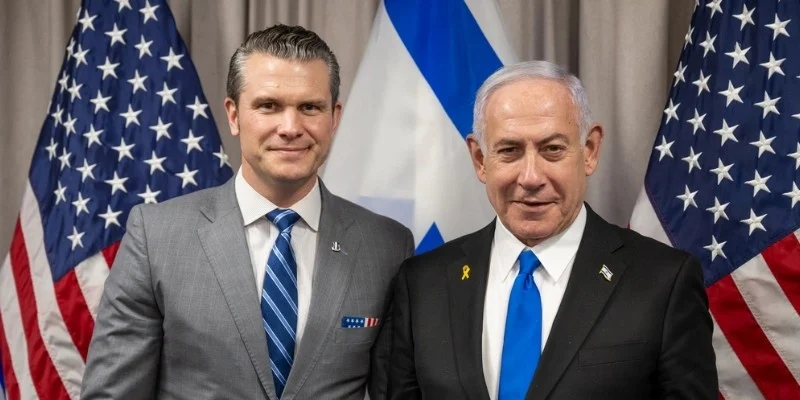
US Defense Secretary Pete Hegseth Meets Netanyahu in Unannounced Israel Visit Amid Rising Tensions With Iran
US Defense Secretary Pete Hegseth met Israeli Prime Minister Benjamin Netanyahu during an unannounced visit to Israel to discuss Iran and regional security threats. The meeting came amid rising tensions over the Strait of Hormuz, intensified Iran-backed Houthi attacks on Saudi Arabia, and preparations for upcoming Israeli and US elections.
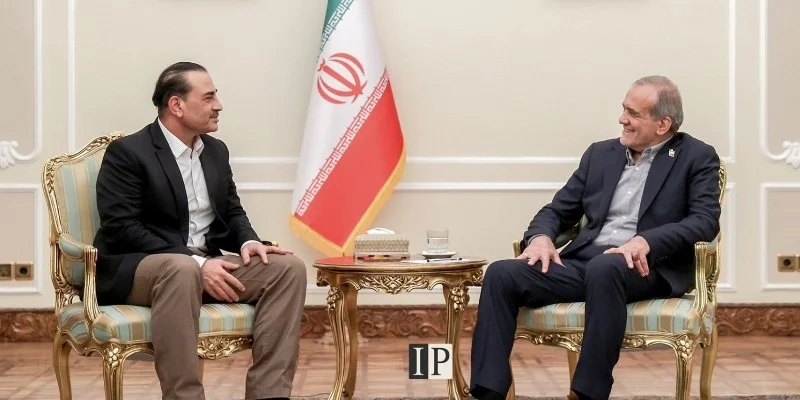
Pakistan’s Asim Munir Meets Iran’s Pezeshkian and Ghalibaf as Islamabad Vows to Continue US-Iran Mediation
Pakistan’s Field Marshal Asim Munir met Iranian President Masoud Pezeshkian and Parliament Speaker Mohammad Bagher Ghalibaf in Tehran as Islamabad stepped up efforts to revive US-Iran negotiations. Ghalibaf said Washington must meet Iran’s seven conditions to restore trust, while Foreign Minister Ishaq Dar reaffirmed Pakistan’s commitment to mediation following the collapse of an earlier ceasefire agreement.