
UN Commission Says Russian Attacks on Ukraine’s Energy Infrastructure Constitute War Crimes
· 761 views
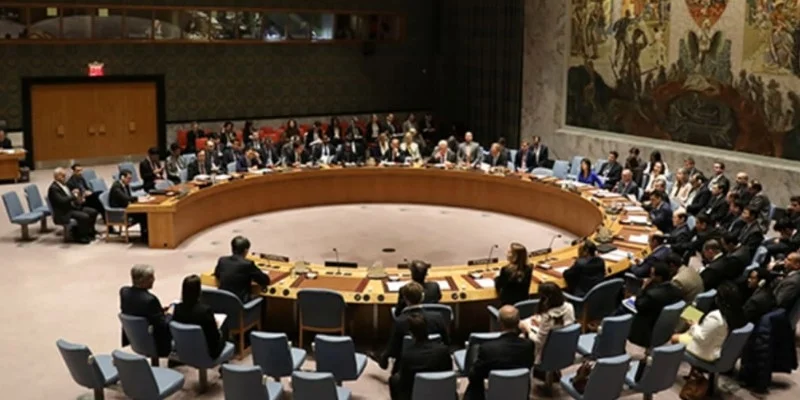
NEW YORK (Terror Monitor) — Russian authorities have committed war crimes by deliberately targeting civilian energy infrastructure in Ukraine and crimes against humanity through a sustained campaign that deprived civilians of essential services, a United Nations investigative commission said Monday.
In a report submitted to the UN General Assembly, the Independent International Commission of Inquiry on Ukraine documented systematic Russian attacks on heating facilities, electricity transmission lines, gas installations and other critical infrastructure since autumn 2022. The commission said the attacks caused widespread suffering, particularly during the severe winter of 2025–2026, when millions of Ukrainians experienced prolonged disruptions to electricity, heating, water and gas supplies.
“The Commission concluded that the Russian authorities committed war crimes by carrying out deliberate attacks against civilian objects, as well as crimes against humanity in the form of other inhumane acts,” the report said.
The findings come as Ukraine prepares for another winter amid continued Russian strikes on its energy system. Investigators warned that the renewed intensification of attacks as temperatures begin to fall poses serious risks to civilians’ lives and health.
Systematic Attacks on Civilian Infrastructure
The commission examined the cumulative effects of Russian attacks on Ukraine’s energy infrastructure over nearly four years, focusing particularly on the consequences for civilians during the winter of 2025–2026.
According to the report, Russian forces increasingly launched large-scale waves of attacks involving hundreds of drones and missiles, striking energy installations across an expanding geographical area.
The damage affected power generation facilities, electricity transmission networks, heating plants and gas infrastructure, disrupting essential services on which households, hospitals and other civilian institutions depend.
Investigators concluded that the attacks were deliberate and formed part of a state policy intended to deprive civilians of electricity and other essential services dependent on energy supplies, thereby inflicting suffering on the population.
The commission said Russian authorities had publicly announced plans to continue such attacks, providing additional evidence supporting its conclusion that civilian infrastructure was intentionally targeted.
The investigation drew on testimony from 255 people who endured the winter under these conditions in the Ukrainian regions of Dnipropetrovsk, Kyiv, Kharkiv, Kherson, Mykolaiv, Odesa, Poltava, Zaporizhzhia and Zhytomyr. Investigators also examined information provided by Ukrainian authorities, medical professionals and nongovernmental organizations.
Millions Affected by Heating and Electricity Disruptions
The impact on civilians was particularly severe during the winter of 2025–2026, when temperatures in parts of Ukraine fell to minus 20 degrees Celsius.
The commission documented prolonged interruptions to electricity, heating, water and gas supplies. Millions of people faced difficult living conditions as residential buildings lost heat and essential services became unreliable or unavailable.
Civilians interviewed by investigators described falling indoor temperatures and health problems associated with prolonged exposure to cold. The wider consequences included physical and psychological distress, while damage to energy facilities increased pressure on emergency services and humanitarian support networks.
Commission chair Erik Møse warned that attacks had intensified again as the cold season approached, raising serious concerns about the safety and health of civilians.
The findings echo earlier UN investigations into Russia’s attacks on Ukrainian energy infrastructure. In June, the UN Human Rights Monitoring Mission in Ukraine also reported that repeated strikes during the 2025–2026 winter had disrupted essential services and compounded the increasingly severe impact of the war on civilians.
Commission Cites War Crimes and Crimes Against Humanity
The commission distinguished between war crimes involving the deliberate targeting of civilian objects and crimes against humanity arising from the broader campaign and its impact on the population.
Under international humanitarian law, parties to an armed conflict must distinguish between civilian objects and military objectives. Civilian infrastructure cannot lawfully be attacked merely because it is strategically or economically important; its status and the circumstances of any proposed attack must be assessed under the applicable rules of armed conflict.
The commission concluded that Russian authorities had committed war crimes by intentionally directing attacks against civilian objects. It also determined that the sustained campaign to deprive civilians of essential energy-dependent services constituted crimes against humanity in the form of other inhumane acts.
These are findings by an independent UN investigative body, rather than criminal convictions issued by a court. The report nevertheless adds to the growing body of international documentation concerning alleged violations of international humanitarian law during Russia’s full-scale invasion of Ukraine.
The commission called for attacks against civilians and civilian objects to stop and stressed the importance of accountability for violations.
Russia Accused of Human Trafficking in Foreign Fighter Recruitment
The report also raised concerns about the recruitment of foreign nationals into the Russian armed forces, concluding that Russian authorities had engaged in human trafficking involving individuals from 29 countries.
Investigators found compelling evidence that recruitment networks operating in different countries used deception and coercion to bring men to Russia for military service.
According to the commission, recruiters and intermediaries frequently presented themselves as legitimate companies or government-backed enterprises. They offered what appeared to be attractive civilian employment opportunities, arranged visas and travel documents, and organized transportation to Russia.
Some recruits were accompanied by intermediaries during their journeys. After arriving in Russia, however, many were compelled to sign contracts with the Russian Ministry of Defence written in Russian, a language they often did not understand.
The commission identified a high degree of coordination between recruitment agents operating internationally and Russian authorities.
Some foreign nationals were also reportedly coerced into military service by Russian authorities while already in the country, including individuals serving prison sentences.
The men were subsequently deployed to the front lines in Ukraine and assigned dangerous missions. According to the report, the majority of those recruited through the networks examined by investigators had been killed or reported missing, while others had been injured, surrendered or captured by Ukrainian forces.
Families of missing recruits were left struggling to obtain information about their relatives’ whereabouts and fate, with recruitment agents often refusing to respond to their inquiries.
The commission called for all individuals who had been trafficked into the Russian armed forces to be released from military service.
Wider Concerns Over Recruitment Networks
The findings highlight the vulnerability of foreign nationals who travel abroad after being promised legitimate employment but subsequently find themselves trapped in military service.
Reports of foreign citizens being deceived into fighting for Russia have emerged from several countries during the war. In some cases, families have appealed to their governments for assistance in securing the return of relatives who were allegedly recruited under false pretences.
The commission’s investigation identified recruitment activity involving people from 29 countries and concluded that the methods used amounted to human trafficking and other violations of international human rights law.
The report adds an international human rights dimension to the war, which has already generated extensive investigations into attacks on civilians, unlawful detention, torture, forced transfers and other alleged violations.
Russia’s Response and Questions Over Reciprocal Attacks
The commission also examined attacks by Ukrainian armed forces against energy infrastructure in Russia and in territories of Ukraine under Russian occupation.
However, investigators said they were unable to examine the consequences of those attacks in comparable detail because Russia did not provide access to the relevant territories or respond to requests for information.
The commission’s report therefore reflects the scope of the evidence it was able to gather and assess. It reiterated that international law prohibits attacks directed against civilians and civilian objects, regardless of which party carries them out.
Russia has repeatedly rejected accusations of deliberately targeting civilians and has maintained that its military operations pursue military objectives. The commission’s latest findings, however, conclude that the attacks on Ukraine’s energy infrastructure were intentionally directed against civilian objects and formed part of a campaign designed to deprive civilians of essential services.
The report places renewed international scrutiny on the humanitarian consequences of the war as winter approaches and energy infrastructure remains vulnerable to further attacks.
Related Articles
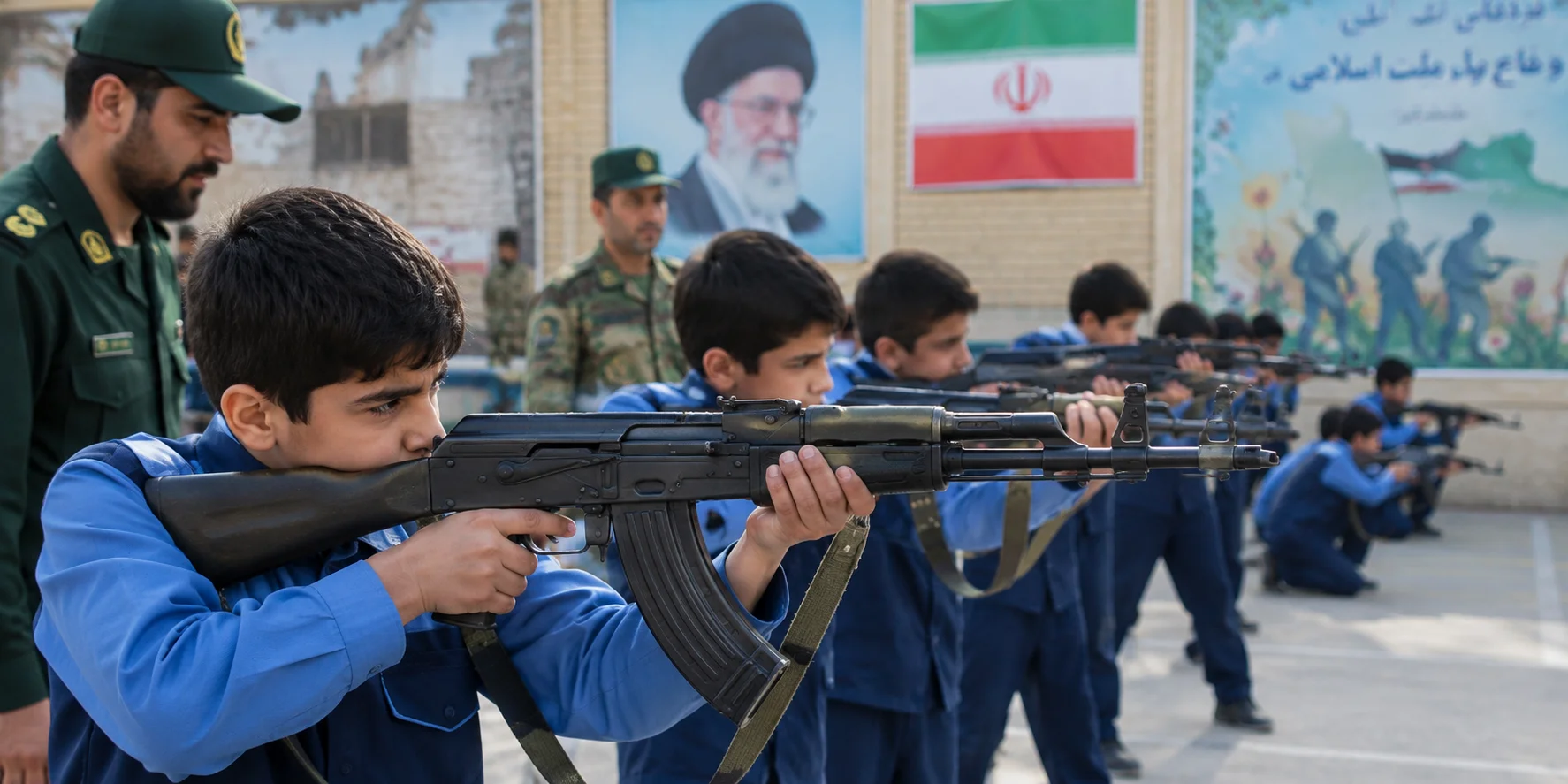
Iran Expands Military Training in Schools, Raising Concerns Over Children’s Recruitment and Security Role
Reports of firearms training for students, military-style identification tags and new youth programmes have raised concerns about the growing role of Iran’s military and security institutions in schools. Iranian authorities describe the initiatives as defensive and ideological education, while critics warn they risk exposing children to militarisation and security activities.
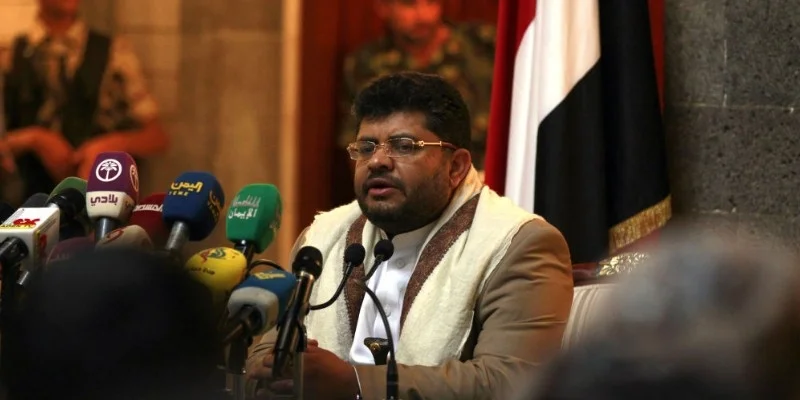
Houthi Leader Calls Egypt’s Military Support for Saudi Arabia a ‘Declaration of War’ Against Yemen
Houthi political bureau member Mohammed Ali al-Houthi has condemned Egypt’s authorization of military support for Saudi Arabia, calling it a “declaration of war” against Yemen. Cairo says its assistance would be limited to defending Saudi territory, as Riyadh reports intercepting three ballistic missiles and four drones.

Egypt’s Parliament Authorizes Military Support for Saudi Arabia Amid Escalating Houthi Attacks
Egypt’s parliament has authorized President Abdel Fattah al-Sisi to provide military support for Saudi Arabia amid escalating Houthi attacks. Cairo says any assistance would be limited to defending Saudi territory and borders, excluding offensive operations in Yemen, while continuing to pursue a diplomatic solution to the conflict.
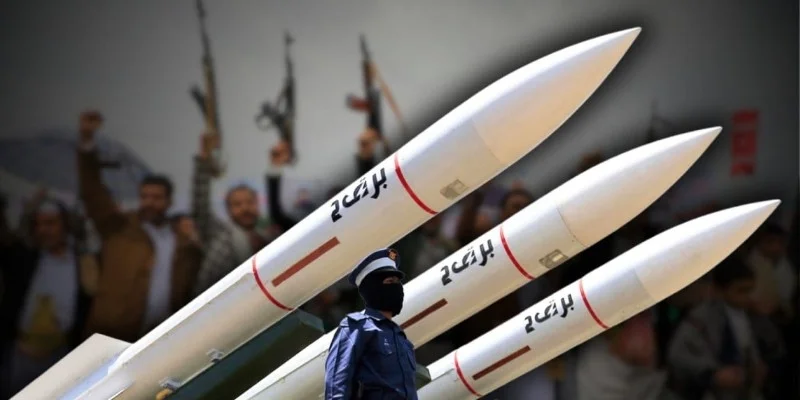
Houthi Attack on Saudi Arabia’s Dammam Airport Kills Two, Injures Eight
A Houthi attack on King Fahd International Airport in Dammam, Saudi Arabia, killed one Saudi citizen and one Indian national and injured eight others. Saudi aviation authorities confirmed that airport operations and flight movements have returned to normal, while security agencies assess the damage and strengthen protective measures.