
U.S. Allows Saudi Arabia to Begin Nuclear Program
· 145 views
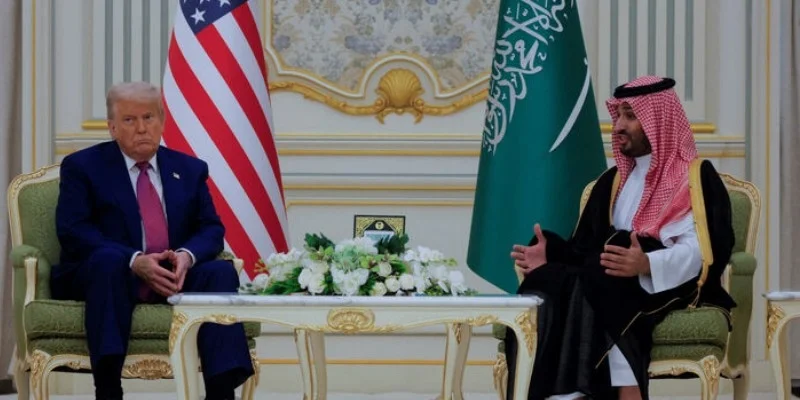
Washington (Terror Monitor)—An agreement between the United States and Saudi Arabia is expected to be announced that would allow Riyadh to begin a civilian nuclear program.
U.S. officials say the Trump administration is expected to formally announce the agreement on Wednesday.
The deal could be worth billions of dollars and may involve U.S. companies in the construction of a uranium enrichment facility. The names of the companies involved have not been disclosed, and the agreement will require consultations with the U.S. Congress.
Enriched uranium can be used as fuel for nuclear power plants, but further enrichment can also be used to produce nuclear weapons.
Nuclear experts and former Israeli officials have expressed concerns that the project could eventually enable Saudi Arabia to develop nuclear weapons.
Under the proposed arrangement, Saudi Arabia could be allowed to enrich uranium on its own territory after completing a joint study with the United States. The aim would be to produce fuel at a U.S.-built enrichment facility instead of relying on imported fuel.
The provision would make the agreement different from the 2009 U.S.-UAE nuclear deal, under which the UAE does not produce its own nuclear fuel and accepted additional restrictions.
Non-proliferation advocates are expected to raise concerns over the agreement, warning that allowing uranium enrichment could increase nuclear risks in the region.
The nuclear issue has been a major point of tension between the United States, Israel and Iran. Washington and Jerusalem have said preventing Iran from developing nuclear weapons was one reason behind recent military action against Tehran. Iran denies having plans to build nuclear weapons.
Saudi Crown Prince Mohammed bin Salman said in 2018 that Saudi Arabia did not seek nuclear weapons but warned that if Iran developed a nuclear bomb, Riyadh would follow the same path.
The agreement, reportedly approved by President Donald Trump, could remain in effect for 30 years. If the United States objects to Saudi uranium enrichment plans after a joint review, Riyadh may be restricted from pursuing enrichment activities for a decade.
The proposal will now go to the U.S. Congress for review. While some lawmakers from both parties may oppose parts of the deal, Republicans currently hold majorities in both chambers.
The agreement is not reportedly conditioned on Saudi Arabia establishing diplomatic relations with Israel.
Related Articles
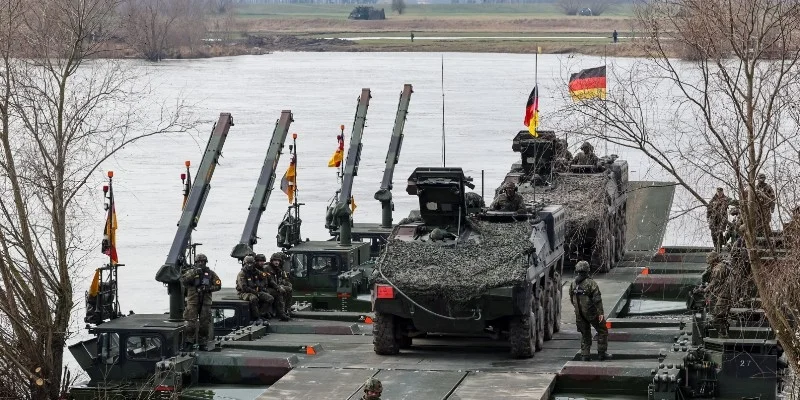
Germany Tests Secret NATO War Plan as Fears of Possible Russian Attack Grow
Germany is testing its classified NATO defense plan through military exercises simulating Russian threats, sabotage and troop movements. The plan envisages moving 800,000 soldiers and 200,000 military and support vehicles across Germany within six months during a major crisis.
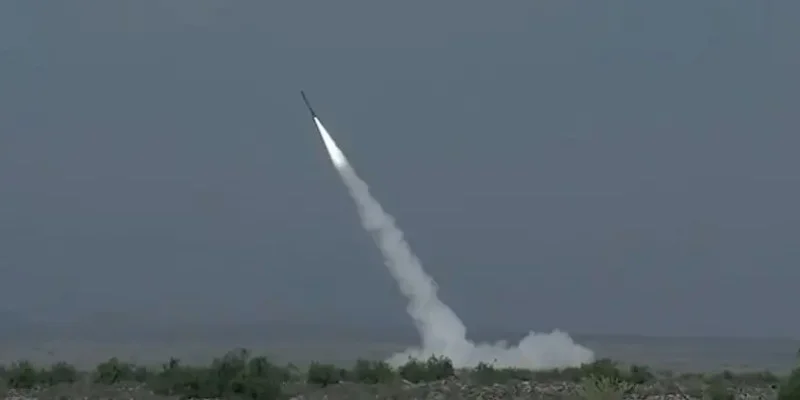
Pakistan Successfully Tests Fateh-II Hypersonic Ballistic Missile With Extended Range
Pakistan’s military has successfully tested the extended-range variant of its Fateh-II hypersonic ballistic missile, the ISPR announced Tuesday. The missile features advanced navigation and avionics systems, can change its trajectory during flight and is designed to strike designated targets with high precision, according to the military.
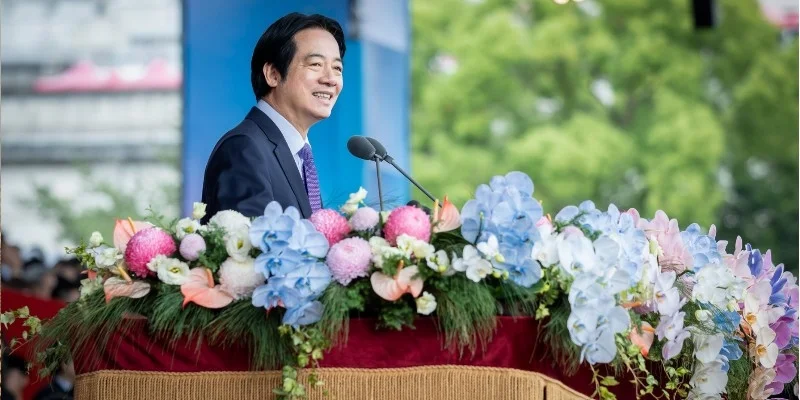
Taiwan President Announces Major Defense Spending Increase Amid Rising Chinese Military Pressure
Taiwan President Lai Ching-te has announced plans to increase defense spending to NT$1.1 trillion, equivalent to more than 3% of GDP, to counter growing Chinese military pressure and deter a potential conflict across the Taiwan Strait. Lai stressed that Taiwan's goal was to prevent war, not provoke one, as Taipei seeks to modernize its armed forces and awaits approval of a $14 billion U.S. arms package that includes Patriot air defense systems.
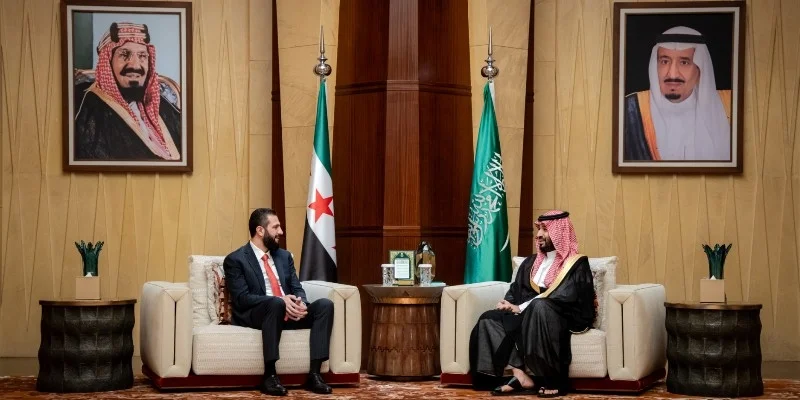
Syrian President Ahmed al-Sharaa Meets Saudi Crown Prince Mohammed bin Salman in Riyadh
Syrian President Ahmed al-Sharaa met Saudi Crown Prince and Prime Minister Mohammed bin Salman in Riyadh on Tuesday to discuss bilateral relations, expanding cooperation and the latest regional developments. The meeting came amid heightened tensions across the region, including the escalating conflict involving Iran-backed Houthis in Yemen.