
Yemen: At Least 129 Killed in Clashes Between Houthis and Government Forces
· 75 views
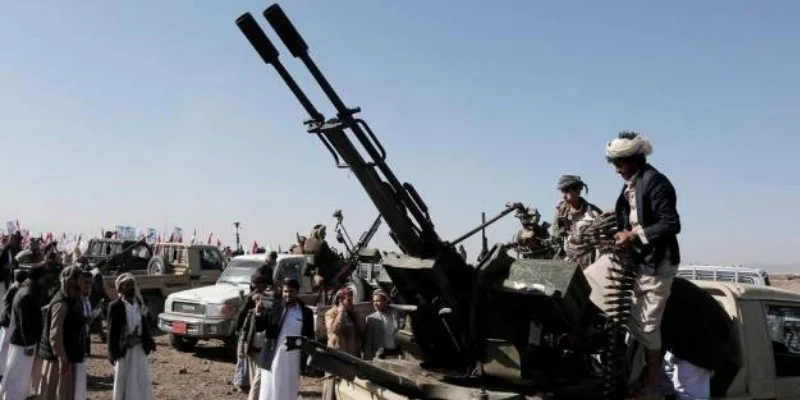
Sana’a (Terror Monitor) — At least 129 people have been killed in intense clashes between Iran-backed Houthi forces and troops loyal to Yemen’s internationally recognized government, according to figures cited by Agence France-Presse (AFP).
The fighting, which began on Thursday, has taken place along Yemen’s Red Sea coast and near the central city of Taiz, with both sides suffering heavy casualties.
A Yemeni military official stationed along the Red Sea coast told AFP that 66 government personnel had been killed in the clashes. Another military official in the Taiz area reported that a further 15 government troops had been killed.
Medical sources in Houthi-controlled areas, meanwhile, said at least 62 Houthi fighters had also been killed.
The figures provided by the different sources put the combined number of deaths at 143. However, AFP reported the overall toll as at least 129, reflecting differences in the figures provided by sources and possible changes as the fighting continued.
The reported casualties have not been independently verified, and neither the Houthi movement nor Yemen’s internationally recognized government has released a comprehensive official death toll.
Heavy Fighting Along the Red Sea Coast
The latest fighting reportedly began when Houthi forces launched a ground offensive against positions held by government-backed forces.
The Houthis also used rockets and drones in attacks along the Red Sea coast and around Taiz, triggering intense exchanges of fire.
Government forces responded by targeting Houthi positions, while several military personnel were also reported wounded. The exact number of wounded was not immediately available.
Yemeni military sources told AFP that Houthi forces had been attempting to isolate the strategically important port city of Mocha, which has come under repeated attacks in recent weeks, from other areas controlled by the government.
The sources said the Houthis were also seeking to advance toward areas adjoining the strategic Bab al-Mandab Strait.
Bab al-Mandab is one of the world’s most important maritime chokepoints, connecting the Red Sea with the Gulf of Aden and the wider Indian Ocean. Any major escalation in fighting around the area could further increase security and shipping concerns across the region.
Yemen’s Long-Running Civil War
Yemen has been engulfed in civil war and political instability for more than a decade.
The Houthis seized control of the capital, Sana’a, in 2014 and subsequently established control over large parts of the country. The internationally recognized government and allied forces have retained control of other areas.
Saudi Arabia and its allies intervened militarily in Yemen in support of the internationally recognized government, turning the conflict into a broader regional confrontation.
Although the intensity of fighting declined significantly after a UN-brokered truce in 2022, the conflict was never formally resolved and tensions have repeatedly resurfaced.
According to recent reports, the Houthis ended the 2022 truce with the Saudi-backed Yemeni government in July, raising concerns that the country could once again move toward a wider conflict.
The latest clashes come as Yemen is also being affected by broader tensions across the Middle East.
Mocha and Bab al-Mandab
The fighting around Mocha and areas near Bab al-Mandab is particularly significant because of the strategic importance of the region.
Mocha is a historic port city on Yemen’s Red Sea coast. Its location gives it importance in controlling access to the southern Red Sea and routes leading toward Bab al-Mandab.
The strait is a key route for international maritime trade, linking the Red Sea and the Suez Canal with the Gulf of Aden and routes toward Asia.
Yemeni government sources say the Houthis are seeking to strengthen their positions around the area and potentially cut Mocha off from other government-controlled territories.
Any sustained military presence or disruption around Bab al-Mandab could have consequences beyond Yemen, particularly for commercial shipping and regional security.
Iran-Backed Houthis
The Houthi movement is backed by Iran and has fought Yemen’s government and its allies for years.
The internationally recognized Yemeni government, meanwhile, has been supported by various local armed groups and regional allies, including Saudi Arabia.
The conflict has contributed to one of the world’s worst humanitarian crises. Millions of Yemenis continue to require humanitarian assistance, while years of fighting have severely damaged the country’s economy, infrastructure and health system.
A renewed escalation along the Red Sea coast could further worsen the humanitarian situation and increase displacement in affected areas.
Casualty Figures Remain Unclear
The latest casualty figures are based on statements from Yemeni military officials and medical sources in Houthi-controlled areas, according to AFP.
Government military officials reported 81 deaths among their forces, including 66 along the Red Sea coast and 15 near Taiz. Medical sources in Houthi-controlled areas reported 62 Houthi fighters killed.
Because the figures come from different sources and have not been independently verified, the precise death toll remains uncertain.
The latest fighting represents a significant escalation in Yemen’s long-running conflict and comes amid renewed regional tensions. If clashes spread along the Red Sea coast and toward Bab al-Mandab, the consequences could extend beyond Yemen, potentially affecting regional security and one of the world’s key maritime trade routes.
Related Articles
Trump Threatens Devastating Strike on Iran’s Nuclear Sites as Pentagon Weighs ‘Mother of All Bombs’
President Donald Trump has threatened to strike Iran’s deeply buried Pickaxe Mountain nuclear facility as the Pentagon reportedly considers using the massive non-nuclear “Mother of All Bombs.” Tehran has dismissed the threats and warned that further U.S. attacks could trigger retaliation and escalate the regional conflict.
US Embassies Issue Urgent Middle East Security Alert Amid Houthi Attacks
US embassies across the Middle East have urged American citizens to remain vigilant amid escalating regional hostilities, warning of possible flight cancellations, airspace closures and travel disruptions. The alerts come as Iran-backed Houthi rebels intensify attacks on Saudi Arabia, with deadly strikes disrupting operations at Riyadh’s international airport and raising fears that the conflict could spread further across the region.
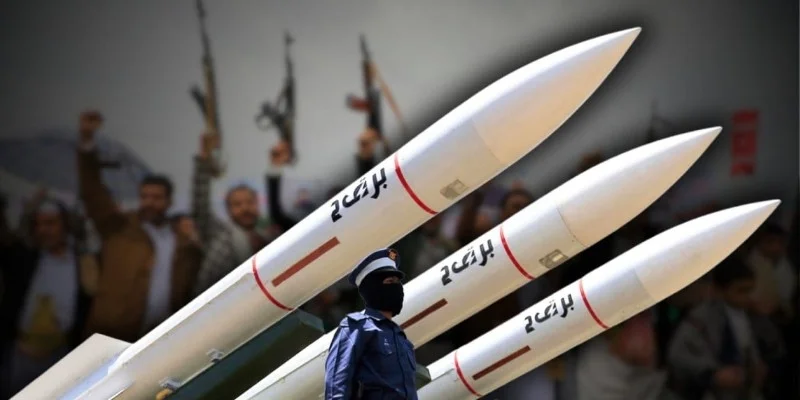
Iran-Backed Houthis Kill 53, Wound 200 in Ballistic Missile Attack on Yemen Military Camp
Iran-backed Houthi rebels killed at least 53 people and wounded around 200 in a three-missile attack on a military training camp in Yemen’s Shabwa province on Monday. The escalation comes as the Houthis intensify attacks on Saudi Arabia, prompting Egypt to consider military assistance to Riyadh and the United States to warn its citizens of growing security risks across the Middle East.
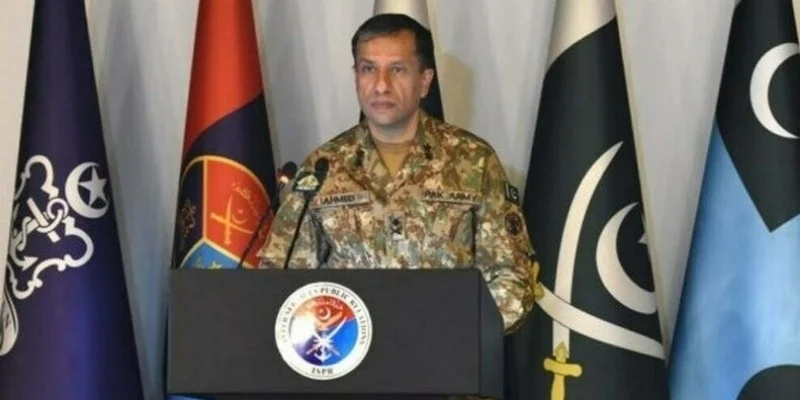
Pakistan Vows Collective Military Response to Any Attack on Saudi Arabia Under Makkah Defence Alliance
Pakistan has warned Yemen’s Iranian-backed Houthi rebels that any attack on Saudi Arabia could trigger a collective military response under the Makkah Joint Defence Alliance. ISPR Director General Lieutenant General Ahmed Sharif Chaudhry confirmed that Islamabad is providing Riyadh with necessary military assistance and would consider any formal request from Yemen’s internationally recognised government for direct support.