
Fresh Strikes Hit Southern Iran as Gulf Tensions Escalate
· 118 views
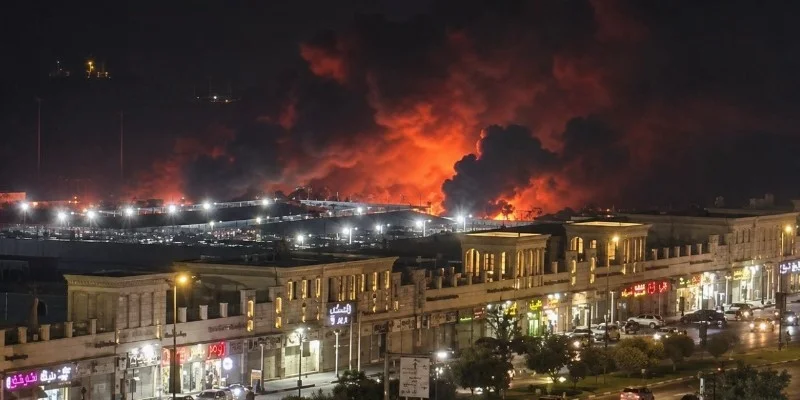
WASHINGTON, D.C. (Terror Monitor) — Several areas in southern Iran were targeted in Thursday's strikes, which took place as the final stages of the funeral ceremonies for former Supreme Leader Ayatollah Ali Khamenei were underway.
Iranian authorities have not officially blamed any country or group for the attacks. However, an Iranian lawmaker accused the United Arab Emirates of assisting U.S. military operations against Iran and warned Abu Dhabi of possible consequences.
The Gulf Arab states, several of which were themselves targeted by Iranian attacks during the war that began on February 28, had not publicly commented on the latest strikes as of Friday, July 10.
The attacks came as the United States and Gulf countries continued to stress the importance of keeping the Strait of Hormuz remaining open and secure for international shipping.
Iran has maintained that the Strait of Hormuz should be under its full control and that commercial vessels transiting the strategic waterway should pay transit fees to Tehran, despite the international community recognizing it as an international maritime route. Before the outbreak of the war, nearly one-fifth of the world's oil and liquefied natural gas shipments passed through the strait.
Iran's control over the Strait of Hormuz during the conflict triggered a global energy crisis, sending crude oil prices to around $120 per barrel before prices declined significantly as tensions eased.
Israel, which participated in the war against Iran, has not claimed responsibility for any of the latest strikes.
Earlier on Thursday, U.S. Central Command (CENTCOM) announced that it had completed a phase of its air campaign, saying approximately 90 targets had been struck across Iran. Shortly afterward, Iranian state media reported airstrikes and explosions in Bushehr, Sistan and Baluchestan, Ahvaz, Chabahar, and several other locations.
A U.S. Defense Department official, speaking on condition of anonymity, said the United States had not carried out any additional airstrikes after the conclusion of Thursday morning's operation.
In response to Thursday's strikes, Iran expanded its military operations across the Middle East, launching missile attacks targeting Bahrain, Jordan, Kuwait, and Qatar. Air raid sirens sounded across all four countries, civilians sought shelter, and air defense systems were activated to intercept incoming missiles. Kuwaiti authorities reported that one person was injured.
Following the attacks, UAE President Sheikh Mohammed bin Zayed Al Nahyan traveled to Kuwait, where he held talks with the country's Emir. Gulf Arab states also consulted with Qatar's foreign minister, who, alongside Pakistan, has been serving as a key mediator in indirect peace efforts between Iran and the United States aimed at preserving the interim peace agreement and preventing a return to full-scale war.
Related Articles
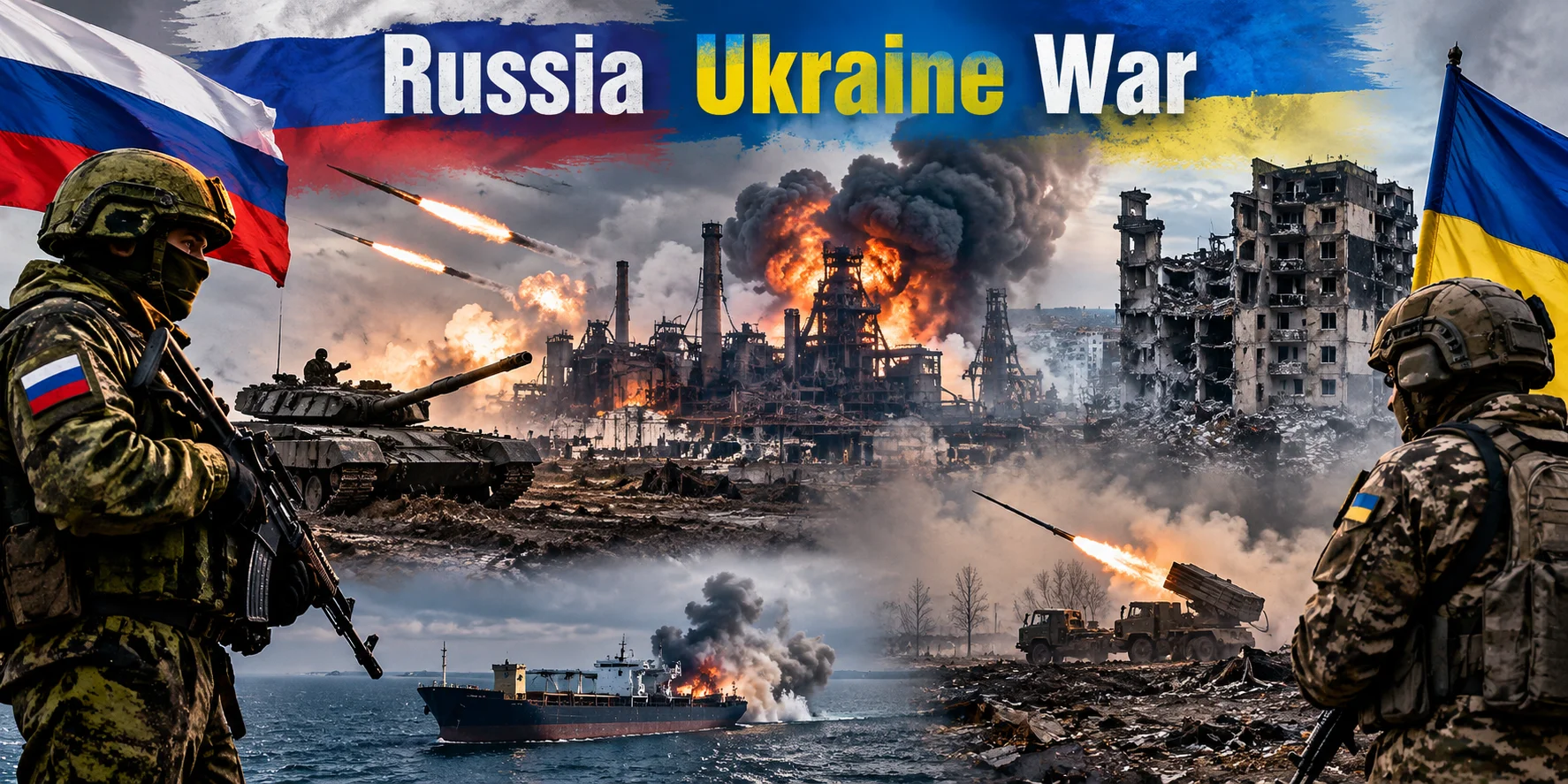
Russia Says Overnight Strikes Hit Ukraine’s Largest Steel Plant, Power Infrastructure and Cargo Ship
Russia said its forces struck Ukraine’s largest steel plant in Kryvyi Rih, power infrastructure and another steelworks overnight, along with a cargo vessel in the Black Sea allegedly carrying military supplies. Separately, a Ukrainian drone attack in Russia’s Belgorod region killed a woman and wounded a man, according to TASS.
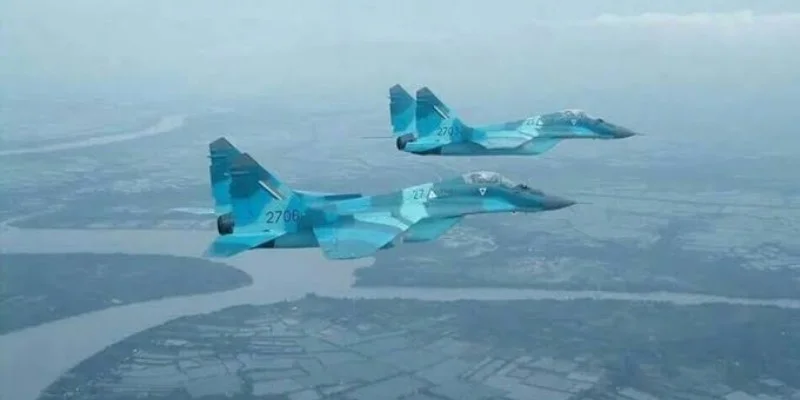
Myanmar Military Airstrike Kills 11 Civilians, Including Women and Children, in Rebel-Held Village
At least 11 people, including six women and two children, were killed in a Myanmar military airstrike in Yesagyo Township, southwest of Mandalay, according to a resistance fighter. The attack destroyed three houses as Myanmar’s civil war continues following the 2021 military coup.
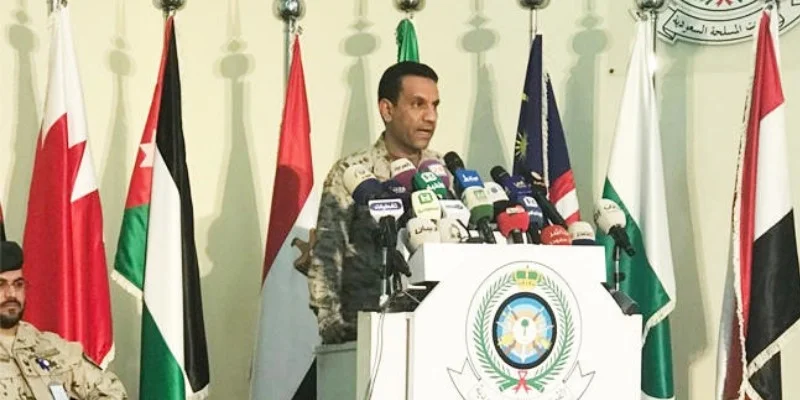
Saudi Arabia Intercepts Four Drones Over Riyadh and Other Regions as Egypt Offers to Defend Kingdom
Saudi Arabia said it intercepted and destroyed four drones over Riyadh, the Eastern Province and southern regions on Saturday amid continuing attacks attributed to Iran-backed Houthi rebels. Egyptian President Abdel Fattah al-Sisi said Cairo was ready to defend Saudi Arabia if requested, subject to parliamentary approval.
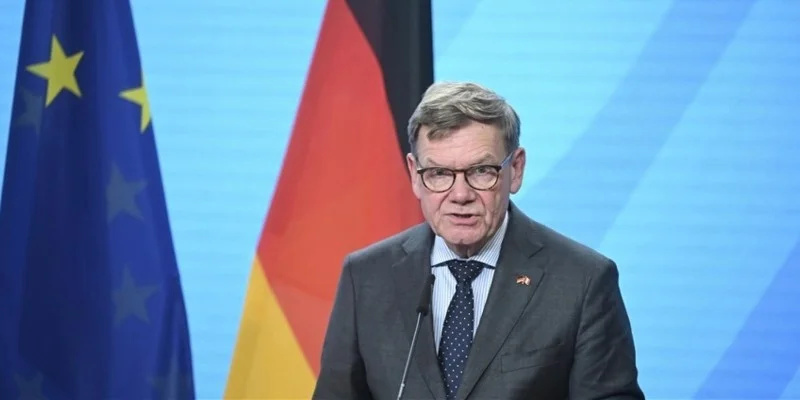
Germany Warns Europe Is in Iran’s Crosshairs, Vows to Counter Tehran’s Hostile Activities
German Foreign Minister Johann Wadephul warned that Europe is in Iran’s crosshairs following a court ruling that sentenced two men for plotting attacks against Jewish and pro-Israel figures on behalf of Iranian intelligence. He also warned of growing Russian threats and urged the European Union to maintain sanctions against Moscow.