
Houthi Attacks on Saudi Arabia Raise Fears of Direct Impact on Pakistan
· 92 views
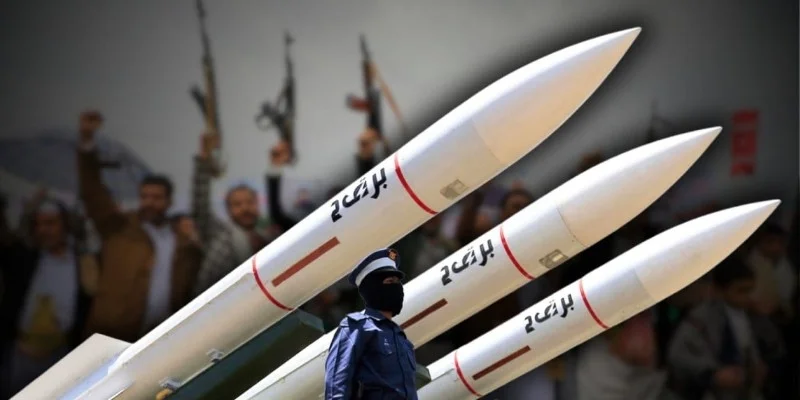
ISLAMABAD (Terror Monitor/Reuters/DW) — Missile attacks launched by Iran-backed Houthi rebels against Saudi Arabia this week have heightened concerns in Pakistan that the country could be drawn into the escalating Middle East conflict, potentially undermining its role as a mediator between the United States and Iran.
Pakistan played a role in facilitating a temporary ceasefire agreement between Washington and Tehran last month. At the same time, Islamabad signed a mutual defense agreement with Saudi Arabia last year, while thousands of Pakistani troops remain stationed in the Kingdom. A Pakistan Air Force fighter squadron is also deployed there.
Earlier this year, Pakistan condemned Iranian attacks on Saudi Arabia. However, regional analysts and officials say the latest Houthi strikes have elevated Islamabad's concerns about Iran, as they risk triggering a renewed confrontation between Saudi Arabia and the Houthis.
The Houthis launched missiles at Saudi Arabia on Monday, describing the attack as retaliation for alleged Saudi airstrikes on an airport under their control. The incident effectively ended a four-year ceasefire between the two sides, although the escalation has so far remained limited.
A Pakistani official told Reuters that Pakistan's top civilian and military leadership had conveyed a clear message to Iran.
"Pakistan's political and military leadership has made it clear to Iran at the highest level that any attack on Saudi Arabia will be regarded as an attack on Pakistan. That is our red line," the official said, speaking on condition of anonymity because they were not authorized to speak publicly.
Security analyst Muhammad Amir Rana said Islamabad had not expected the situation to deteriorate so rapidly.
According to analysts, Pakistan fears that continued Houthi operations could drag it directly into the conflict. Two Pakistani officials said Pakistani troops are deployed near the Saudi-Yemen border, increasing the risk that they could be directly affected if hostilities intensify.
Islamabad is also concerned that renewed fighting could disrupt shipping through the Red Sea, a vital trade route for Pakistan and many other countries.
Retired Pakistani General Ghulam Mustafa said the country's leadership is currently trying to maintain relations with all parties, but warned that the situation could change if the Houthis expand their attacks inside Saudi Arabia.
The growing tensions have also intensified Pakistan's concerns regarding developments inside Iran.
According to two Pakistani officials, Islamabad is closely monitoring widening differences within Iran's leadership. They said divisions appear to be growing between the political leadership—including President Masoud Pezeshkian, Foreign Minister Abbas Araghchi, and Parliament Speaker Mohammad Bagher Ghalibaf—and the Islamic Revolutionary Guard Corps (IRGC).
Defense analyst Muhammad Ali said there is an increasing perception in Islamabad that Iran's military is gaining greater influence over national decision-making.
Pakistani officials also said that the recent tensions delayed the planned visit of an Iranian delegation to Islamabad. The delegation, led by Iranian Interior Minister Eskandar Momeni, eventually arrived in Islamabad on Wednesday.
Analysts say Pakistan faces the difficult task of maintaining a delicate balance between its defense partnership with Saudi Arabia and its relationship with neighboring Iran.
Pakistan relies heavily on Middle Eastern oil and gas supplies. Previous tensions around the Strait of Hormuz disrupted energy shipments, forcing the government to introduce emergency measures, including reducing business operating hours, to prepare for potential fuel shortages.
Analysts believe Pakistan's interest in mediating between the United States and Iran is driven not only by diplomatic considerations but also by the need to safeguard regional energy supplies.
A Pakistani official said:
"Yes, there is frustration, but that does not mean we are abandoning the mediation process. We have invested heavily in it, and it remains in our national interest."
However, another Pakistani source told Reuters that Islamabad is facing unprecedented pressure to choose between competing regional partners.
"It is in everyone's interest for the war to end. But if Saudi Arabia asks for our assistance, we will stand with Saudi Arabia. There is no doubt about that."
Related Articles
Russia Says Overnight Strikes Hit Ukraine’s Largest Steel Plant, Power Infrastructure and Cargo Ship
Russia said its forces struck Ukraine’s largest steel plant in Kryvyi Rih, power infrastructure and another steelworks overnight, along with a cargo vessel in the Black Sea allegedly carrying military supplies. Separately, a Ukrainian drone attack in Russia’s Belgorod region killed a woman and wounded a man, according to TASS.
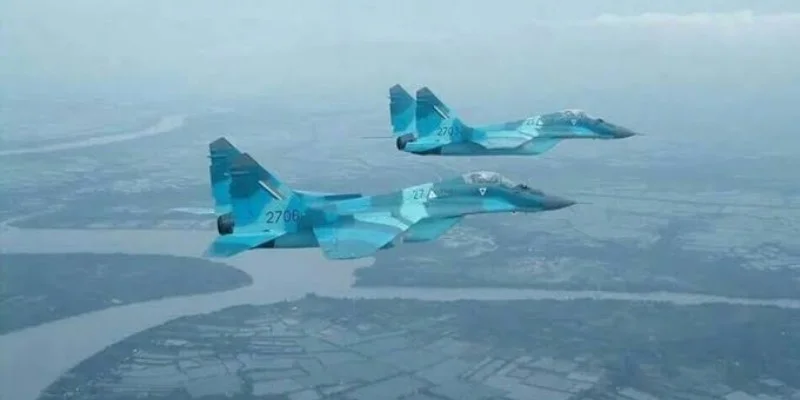
Myanmar Military Airstrike Kills 11 Civilians, Including Women and Children, in Rebel-Held Village
At least 11 people, including six women and two children, were killed in a Myanmar military airstrike in Yesagyo Township, southwest of Mandalay, according to a resistance fighter. The attack destroyed three houses as Myanmar’s civil war continues following the 2021 military coup.
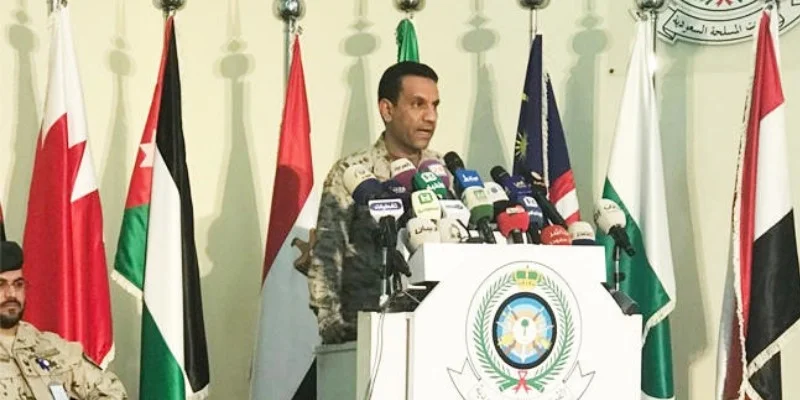
Saudi Arabia Intercepts Four Drones Over Riyadh and Other Regions as Egypt Offers to Defend Kingdom
Saudi Arabia said it intercepted and destroyed four drones over Riyadh, the Eastern Province and southern regions on Saturday amid continuing attacks attributed to Iran-backed Houthi rebels. Egyptian President Abdel Fattah al-Sisi said Cairo was ready to defend Saudi Arabia if requested, subject to parliamentary approval.
Germany Warns Europe Is in Iran’s Crosshairs, Vows to Counter Tehran’s Hostile Activities
German Foreign Minister Johann Wadephul warned that Europe is in Iran’s crosshairs following a court ruling that sentenced two men for plotting attacks against Jewish and pro-Israel figures on behalf of Iranian intelligence. He also warned of growing Russian threats and urged the European Union to maintain sanctions against Moscow.