
Iran Vows Continued Operations Until U.S. Stops Attacks on Southern Coast, Strait of Hormuz
· 59 views
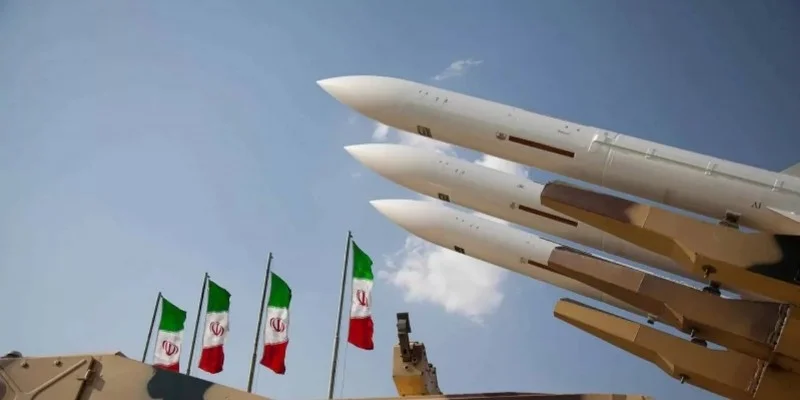
TEHRAN (Terror Monitor) — Iran’s Islamic Revolutionary Guard Corps (IRGC) Air Force commander Major General Majid Mousavi said Tehran will continue its retaliatory operations until the United States halts attacks on Iran’s southern coastal areas and the Strait of Hormuz.
In a statement posted on social media on Friday, July 17, Mousavi said, “Tehran and southern Iran are one and an inseparable part of Iran’s unity.”
He added that Iran’s operations against its adversaries would continue, with targeted and effective strikes being carried out from different parts of the country.
Mousavi’s remarks come amid escalating tensions between Iran and the United States, raising concerns over a wider regional conflict.
Gulf States Report Iranian Attacks
Kuwait, Bahrain, and Qatar reported Iranian missile and drone attacks on Friday, as U.S. air operations against Iran continued for a sixth consecutive night.
Kuwait said an Iranian attack targeted a key electricity and water desalination facility, causing fires, damage to infrastructure, and disruption to several production units.
Kuwait’s Ministry of Electricity urged citizens to reduce power consumption and conserve energy due to the ongoing emergency situation.
The Kuwaiti military also said Iranian drone strikes targeted military facilities and camps, injuring several personnel. In a statement on social media, the military said the Chief of Staff visited the injured soldiers and described the attack as “Iranian aggression.”
Iran Claims Attacks Targeted U.S. Facilities
Iranian state television reported that Tehran targeted locations in Kuwait where U.S. forces and logistical support centers are based, in response to American strikes on Iran.
Meanwhile, Bahrain’s military said it intercepted and destroyed several Iranian missiles and drones launched toward its territory.
An AFP correspondent in Manama reported hearing multiple explosions overnight after air raid sirens sounded in the Bahraini capital.
Qatar also said its air defense systems responded to Iranian missile attacks, further increasing security concerns and tensions across the Gulf region.
The latest developments mark a sharp escalation in the confrontation between Iran and the United States, with Gulf countries increasingly affected by the widening military crisis.
Related Articles
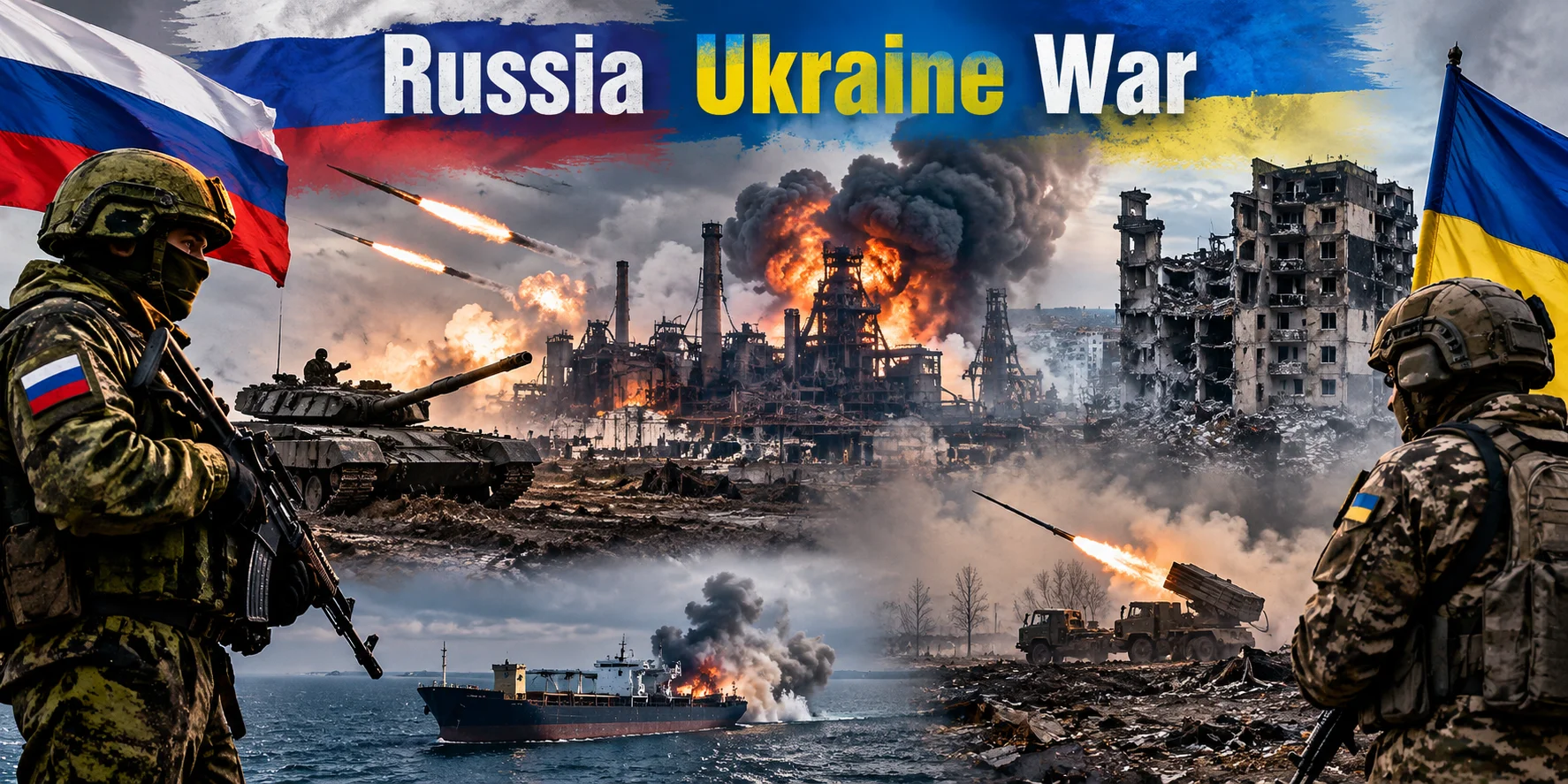
Russia Says Overnight Strikes Hit Ukraine’s Largest Steel Plant, Power Infrastructure and Cargo Ship
Russia said its forces struck Ukraine’s largest steel plant in Kryvyi Rih, power infrastructure and another steelworks overnight, along with a cargo vessel in the Black Sea allegedly carrying military supplies. Separately, a Ukrainian drone attack in Russia’s Belgorod region killed a woman and wounded a man, according to TASS.
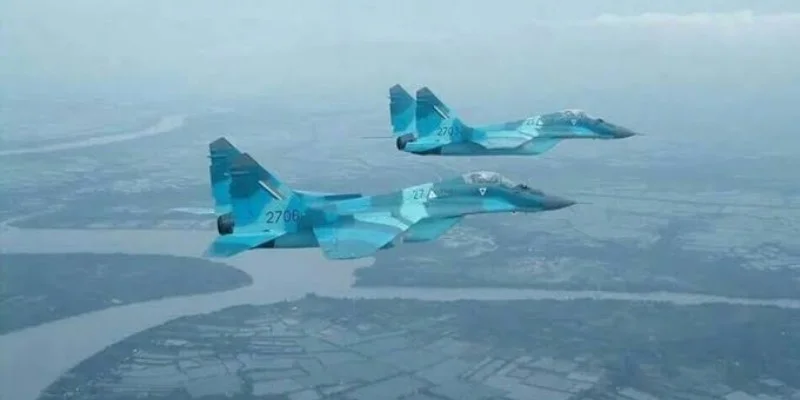
Myanmar Military Airstrike Kills 11 Civilians, Including Women and Children, in Rebel-Held Village
At least 11 people, including six women and two children, were killed in a Myanmar military airstrike in Yesagyo Township, southwest of Mandalay, according to a resistance fighter. The attack destroyed three houses as Myanmar’s civil war continues following the 2021 military coup.
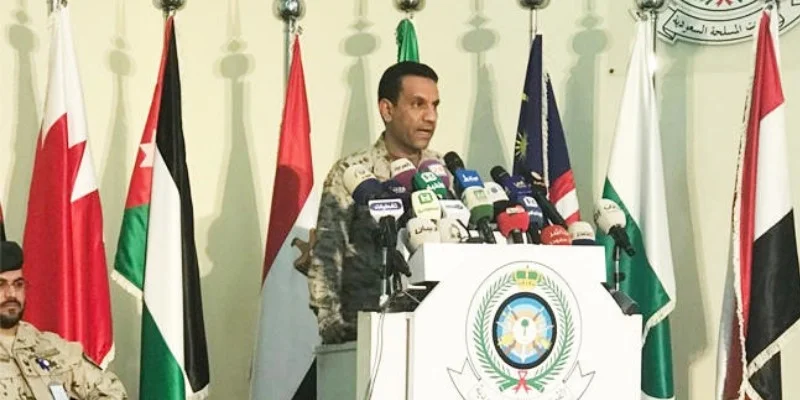
Saudi Arabia Intercepts Four Drones Over Riyadh and Other Regions as Egypt Offers to Defend Kingdom
Saudi Arabia said it intercepted and destroyed four drones over Riyadh, the Eastern Province and southern regions on Saturday amid continuing attacks attributed to Iran-backed Houthi rebels. Egyptian President Abdel Fattah al-Sisi said Cairo was ready to defend Saudi Arabia if requested, subject to parliamentary approval.
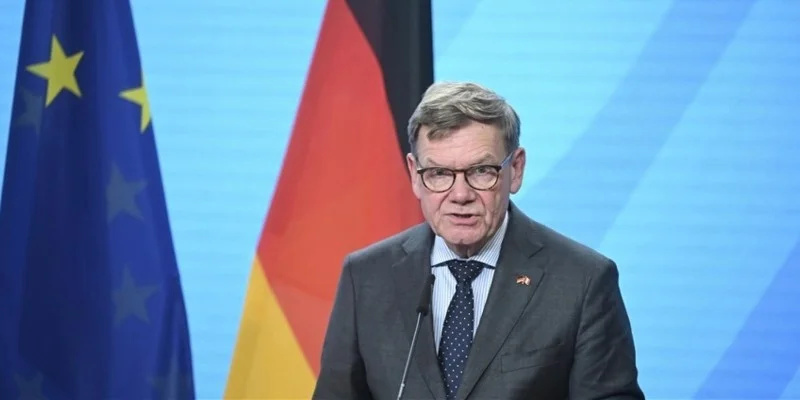
Germany Warns Europe Is in Iran’s Crosshairs, Vows to Counter Tehran’s Hostile Activities
German Foreign Minister Johann Wadephul warned that Europe is in Iran’s crosshairs following a court ruling that sentenced two men for plotting attacks against Jewish and pro-Israel figures on behalf of Iranian intelligence. He also warned of growing Russian threats and urged the European Union to maintain sanctions against Moscow.