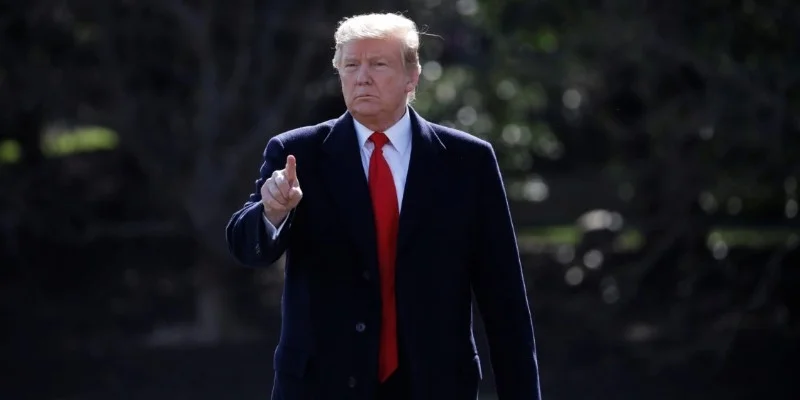
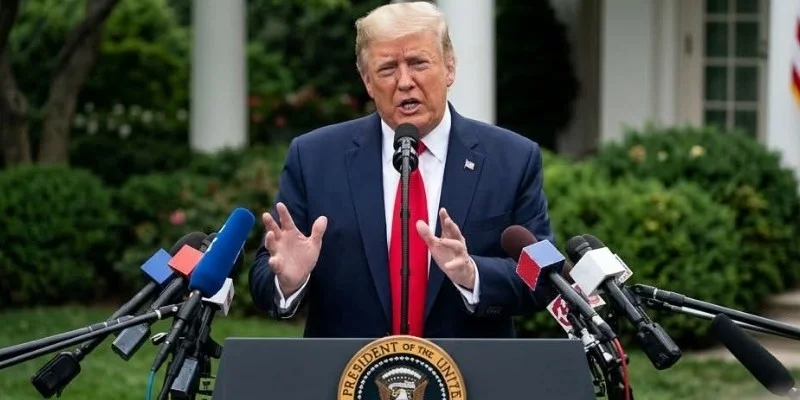
Trump said U.S. and Iranian officials held a three-hour meeting in New York on Tuesday, with Steve Witkoff and Jared Kushner representing the U.S. and Iranian Foreign Minister Abbas Araghchi attending for Tehran. No agreement or ceasefire was announced, but both sides indicated that further discussions could continue.
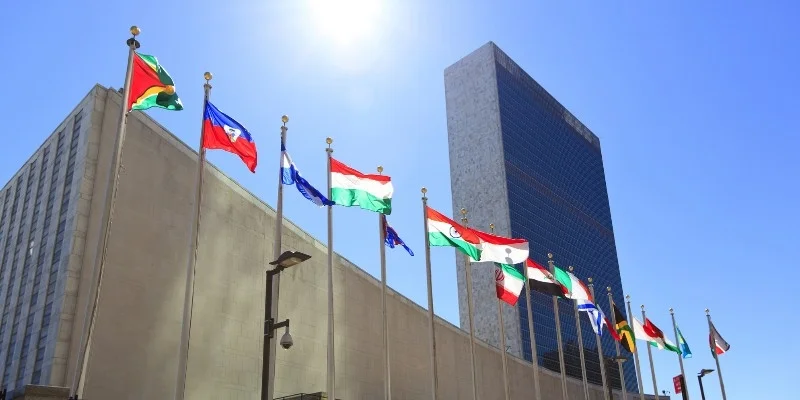
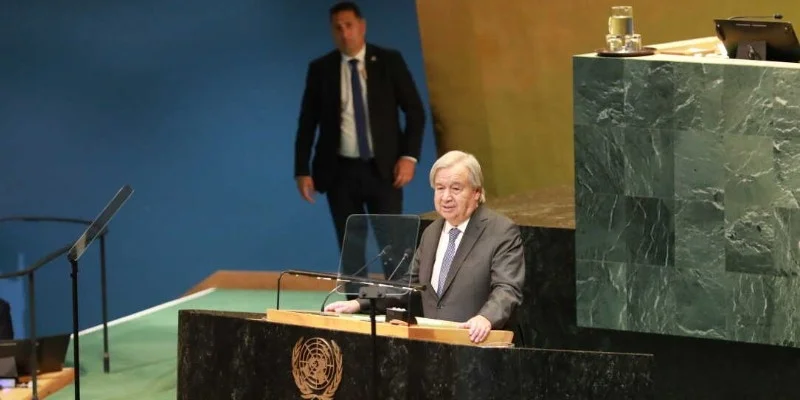
U.N. Secretary-General António Guterres called on world leaders Tuesday to end wars worldwide and establish comprehensive international rules for artificial intelligence. In his final opening address to the General Assembly, Guterres also urged the modernization of global institutions and reaffirmed support for a two-state solution to the Israeli-Palestinian conflict.
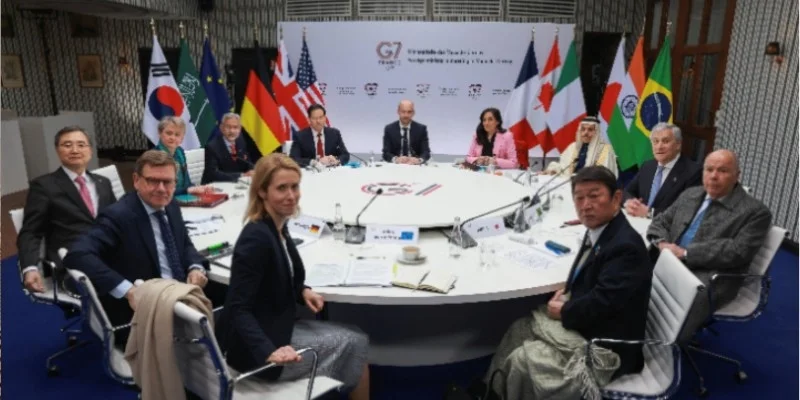
G7 foreign ministers have called on Iran to stop arming and supporting the Iran-backed Houthis in Yemen, while demanding an immediate end to attacks and threats against civilian shipping. The G7 also condemned Houthi attacks on Saudi Arabia, as renewed fighting along Yemen’s Red Sea coast has displaced more than 120,000 people.
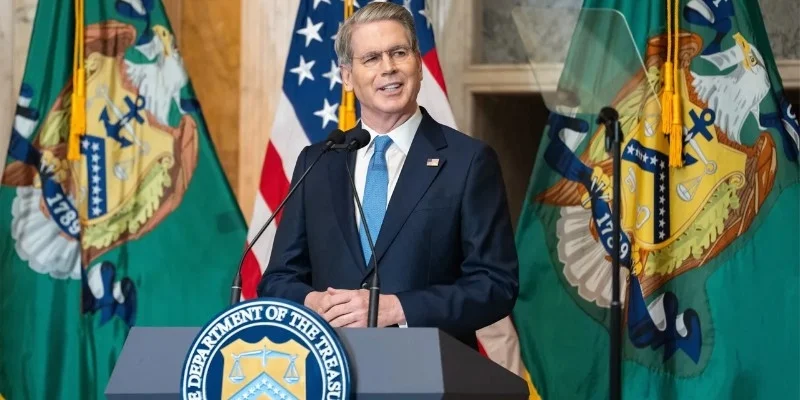
U.S. Treasury Secretary Scott Bessent says all Iranian airlines will be shut down worldwide from September 23, as Washington expands sanctions pressure on Tehran. The move comes ahead of President Donald Trump’s meeting with Chinese President Xi Jinping, with Iran-related sanctions expected to be among the issues discussed.
U.S. President Donald Trump says he is at a decision point on major issues involving Iran, while Iran’s Khatam al-Anbiya Central Headquarters warns that any renewed U.S. attack or regional support for such an operation would trigger a severe response against American military facilities and interests in the region.
U.S. President Donald Trump has signed a new law imposing additional sanctions on Russia, targeting its energy and defense sectors and giving him authority to impose tariffs of up to 100% on major buyers of Russian oil and gas, including China and India.
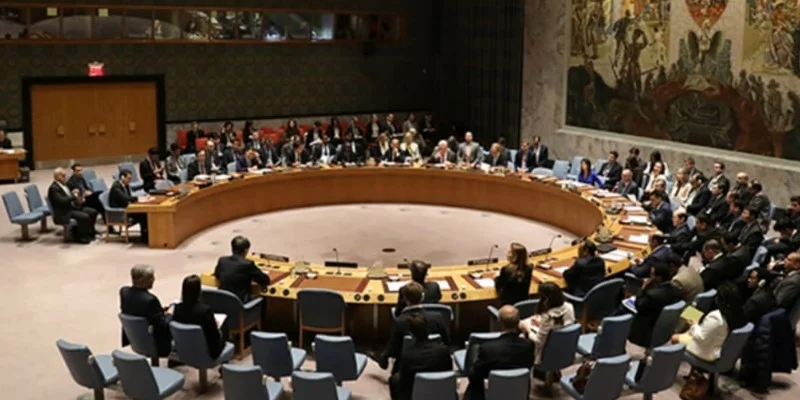
Russia and China vetoed a U.S.-drafted UN Security Council resolution seeking to extend the mandate of experts monitoring sanctions on Iran. The resolution won 11 votes, while Pakistan and Somalia abstained. Moscow and Beijing argued that the relevant UN sanctions framework had expired, while Washington and its allies maintain that the sanctions remain in force.
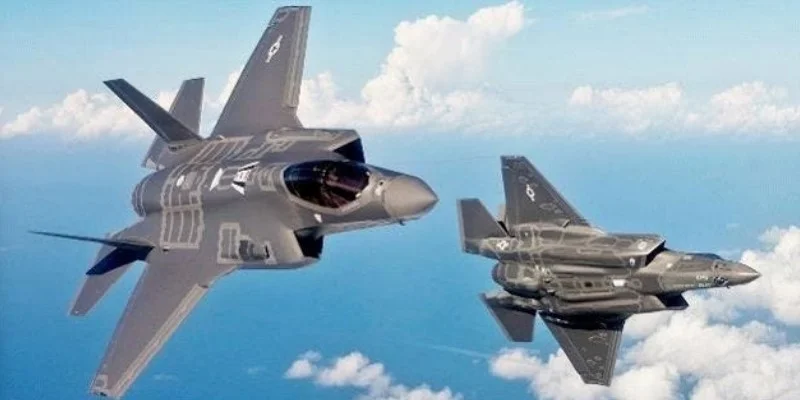
The United States has approved the potential $24.3 billion sale of 48 F-35 Lightning II fighter jets and related defense equipment to Saudi Arabia, in a major proposed expansion of the kingdom’s access to advanced U.S. military technology.
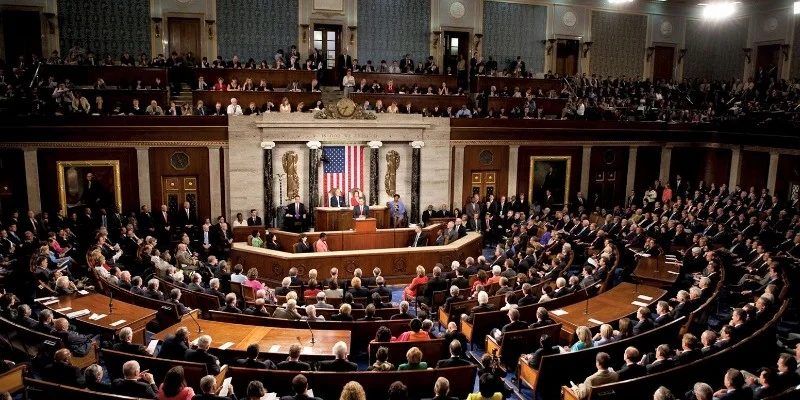
The U.S. House has passed sweeping legislation expanding sanctions against Russia and extending the Iran Sanctions Act through 2031. The bill, which passed 262-159 after clearing the Senate 86-11, now goes to President Donald Trump for his signature.
A U.S. Defense Department report to Congress reveals that 18 U.S. service members were killed and 417 wounded during the Iran war, while dozens of aircraft and 30 MQ-9 drones were destroyed or damaged. The report also warns that depleted U.S. munitions stocks could take significant time to replenish.
The United States has used the little-known Alien Terrorist Removal Court for the first time to deport Afghan-born lawful permanent resident Nazira Hajizada. The 47-year-old agreed to leave the country after prosecutors linked her to alleged extremist influence within her family, while her lawyers challenged the use of secret evidence and raised constitutional concerns.
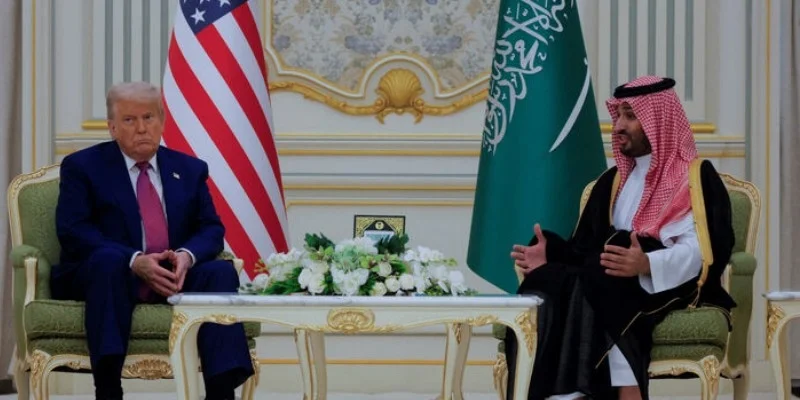
Saudi Crown Prince Mohammed bin Salman made two calls to President Donald Trump urging U.S. strikes against the Houthis, but Trump rejected the request, according to Axios, as Washington remains focused on Iran and protecting shipping through the Strait of Hormuz.