At least three Palestinians, including two children and a woman, were killed in Israeli strikes on Gaza City as Israel said it had captured a senior Hamas leader during a ground operation. Hamas sources disputed the claim, saying an Israeli mission targeting a senior leader had failed.
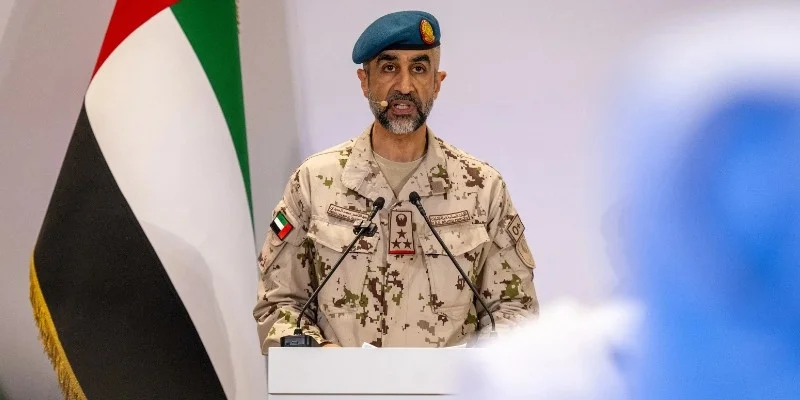
Iran’s military claimed it targeted a site at the UAE’s Al Minhad Air Base where U.S. helicopters and personnel were allegedly stationed, but the UAE denied the claim. Abu Dhabi said its air defenses intercepted one drone that entered its airspace and urged the public to rely on official sources.
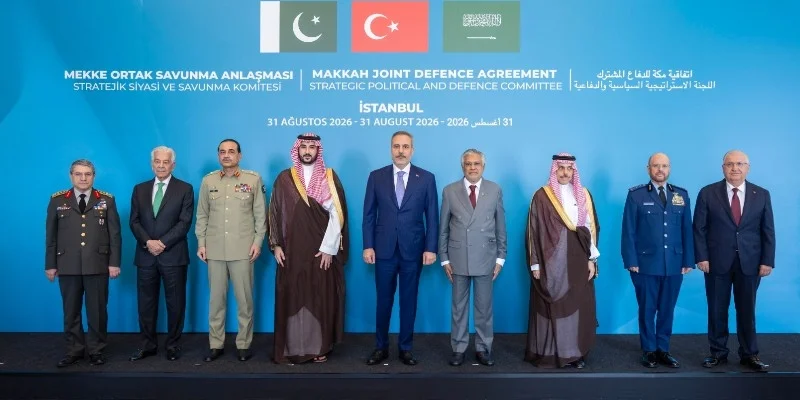
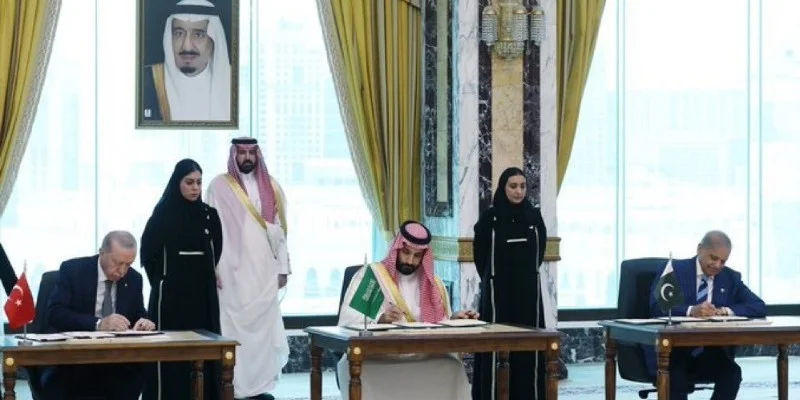
Pakistan, Saudi Arabia and Turkey have agreed to name their trilateral defence alliance the Makkah Defence Alliance, with its secretariat to be based in Riyadh and its first secretary-general to be from Pakistan. Turkish Foreign Minister Hakan Fidan said the alliance would promote regional peace, security and stability and would remain open to other friendly states.
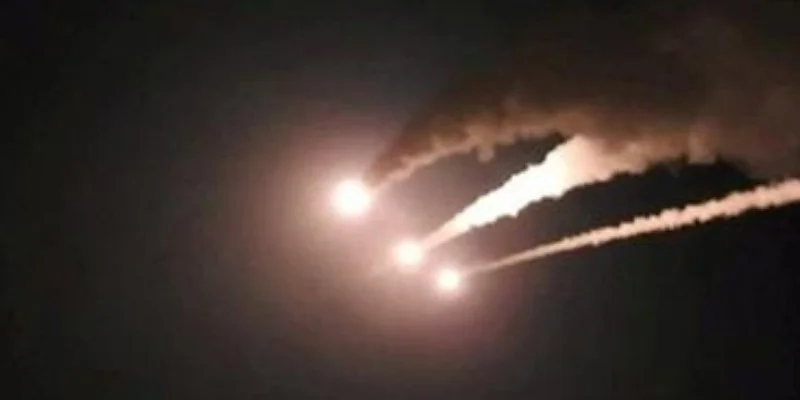
Iran has claimed it launched ballistic missiles and drone attacks on two U.S. air bases in Jordan in retaliation for the American strike on Larak Island, while Jordan says its air defenses intercepted eight missiles. Washington has described the Larak operation as a limited and precise strike aimed at preventing threats to shipping in the Strait of Hormuz.
An Israeli airstrike near a bakery in Deir al-Balah, Gaza, killed two Palestinians, including a three-year-old child, and wounded several others. Israel said the strike targeted a Hamas militant accused of planning attacks.
Turkey, Saudi Arabia and Pakistan are set to hold their first committee meeting in Istanbul under the Makkah Joint Defense Agreement, which treats an armed attack on any one of the three countries as an attack on all. The pact aims to strengthen collective defense, military coordination and cooperation in the defense industry amid rising tensions across the Middle East.
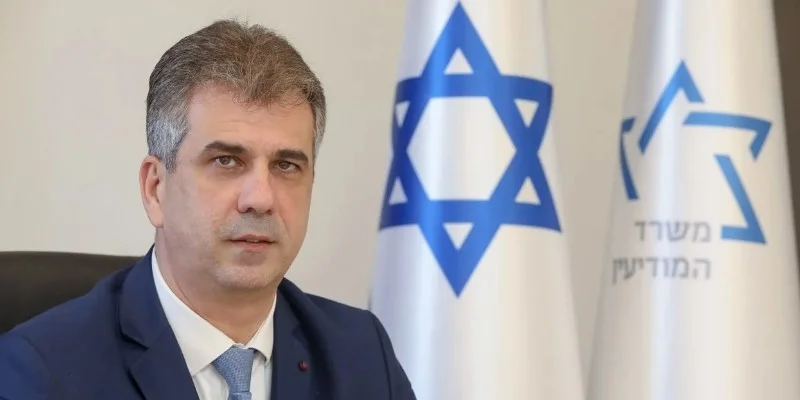
Israel has threatened to strike Iran again if Tehran resumes its nuclear or ballistic missile programs, even if Iran reaches a deal with the United States. Israeli Energy Minister Eli Cohen said previous U.S.-Israeli strikes had pushed Iran’s nuclear program back by years.
U.S. forces have reportedly struck two Iranian launchers on Larak Island near the Strait of Hormuz, marking the first direct U.S. attack on Iran since late July, while Tehran has vowed a forceful retaliation.
A recent Israeli strike on a Syrian military airbase has highlighted growing strategic tensions between Israel and Türkiye over Syria’s future. As Damascus seeks stronger ties with Ankara and Washington, analysts warn that Syria risks becoming an arena for regional power competition, while its new leadership faces the challenge of protecting national sovereignty and achieving internal stability.
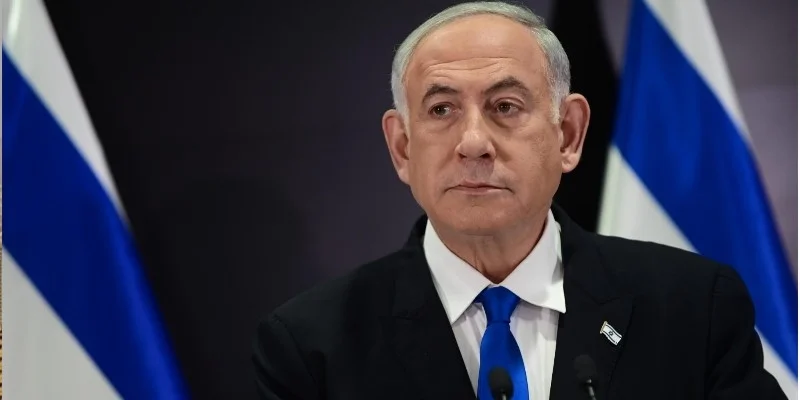
Israeli Prime Minister Benjamin Netanyahu has ruled out the possibility of a diplomatic agreement with Iran’s leadership while backing U.S. President Donald Trump’s campaign to intensify economic pressure on Tehran and those supporting its government.
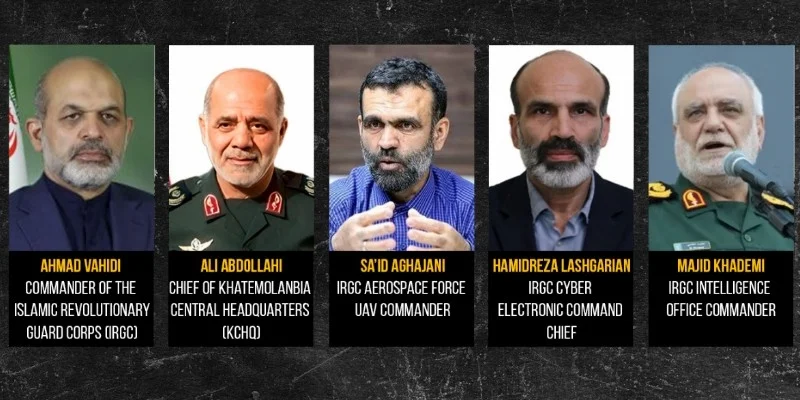
The United States has offered up to $10 million in rewards for information on five senior IRGC officials accused of overseeing attacks against U.S. personnel and destructive cyber operations targeting critical infrastructure.