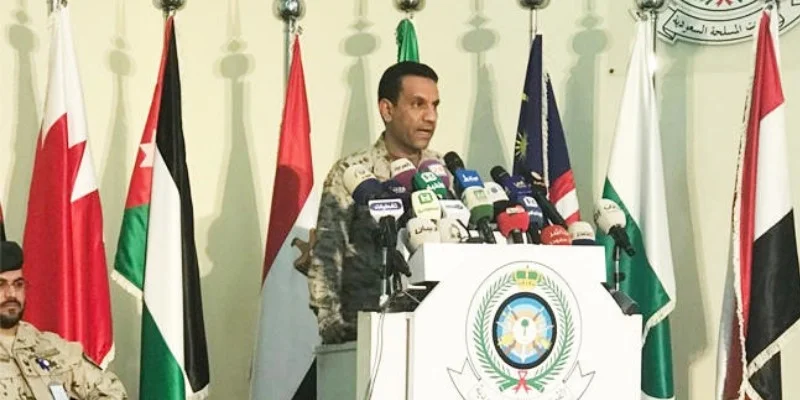
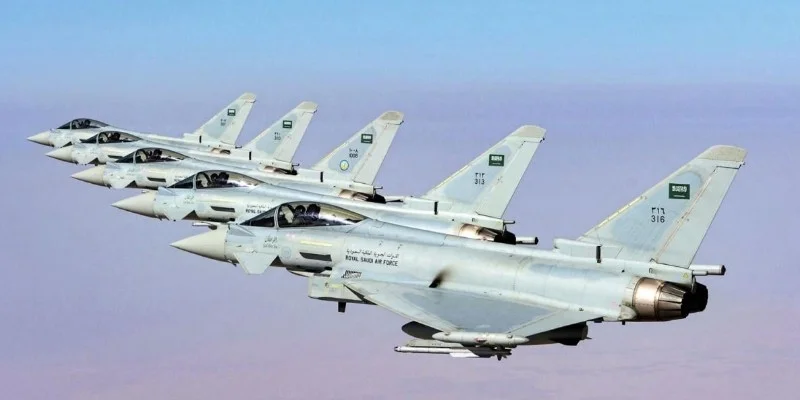
A Saudi-led coalition said it intercepted and destroyed three ballistic missiles fired by Iran-backed Houthis toward Khamis Mushait in southern Saudi Arabia. The Houthis claimed Saudi Arabia carried out 94 attacks in Yemen within 24 hours, as fighting intensified around the strategic city of Taiz.
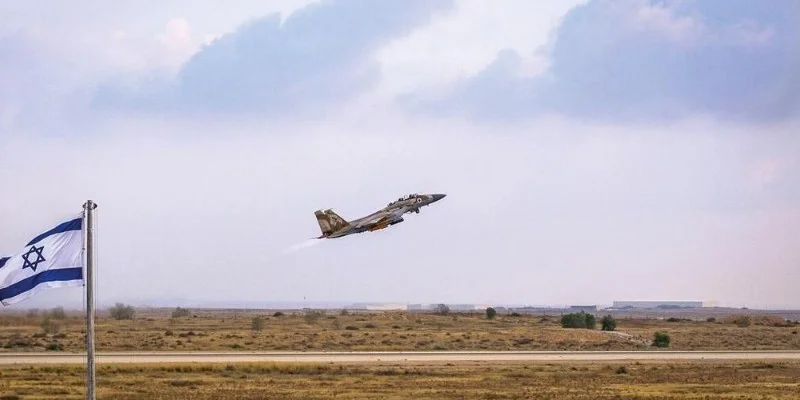
At least five Hamas fighters were killed in an Israeli airstrike on a residential building in Gaza City early Saturday, according to Gaza health officials and aid workers. The strike comes amid a fragile ceasefire, with disputes over Hamas’s disarmament and Israeli troop withdrawal continuing. Gaza officials say at least 1,400 Palestinians have been killed since the truce began in October 2025.
Saudi-led coalition accused Iran-backed Houthis of launching a drone attack on an electricity distribution station in Madinah that supplies the Prophet’s Mosque. The strike reportedly disabled one transformer without disrupting the wider power network. The Houthis denied responsibility as Turkey, Qatar, the Arab League and Al-Azhar condemned the alleged attack.
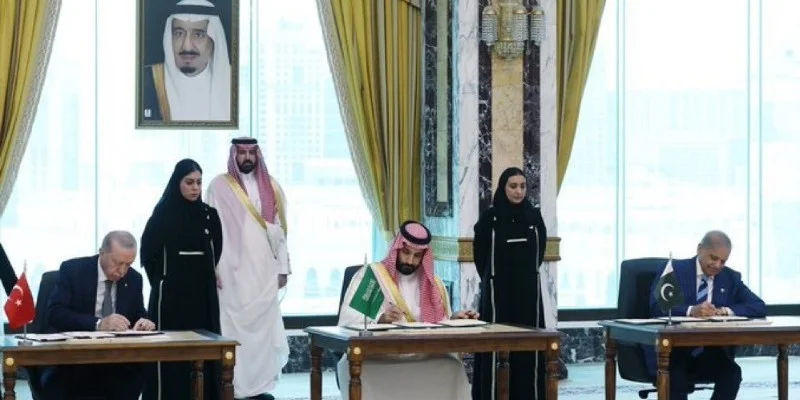
Pakistan, Turkey and Saudi Arabia will hold an emergency defence meeting next week to discuss Iran-backed Houthi attacks on Saudi Arabia, Foreign Minister Ishaq Dar said, emphasizing political engagement over military action.
A man was arrested in Mecca after videos circulated online with claims of a foiled suicide bombing attempt. Saudi authorities said he was detained for harassing passersby and causing panic, while claims that he wore an explosive vest or targeted the Grand Mosque remain unverified.
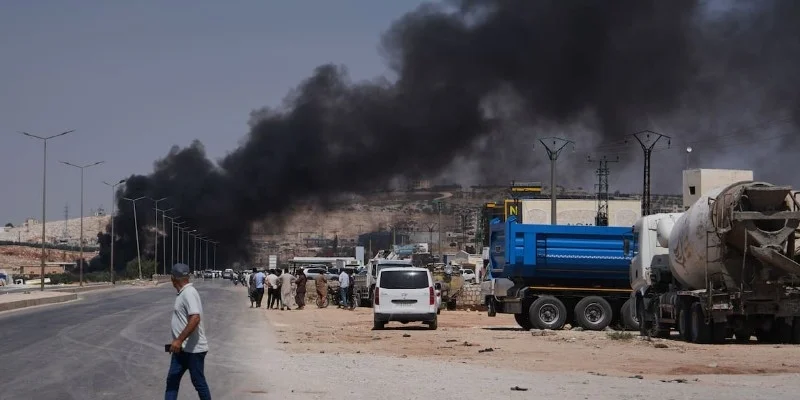
At least seven people were killed and four injured when unidentified gunmen opened fire on a minibus carrying workers in Syria’s Homs province. The UK-based Syrian Observatory for Human Rights said the victims belonged to the Alawite minority. No group has claimed responsibility, and the motive remains unclear.
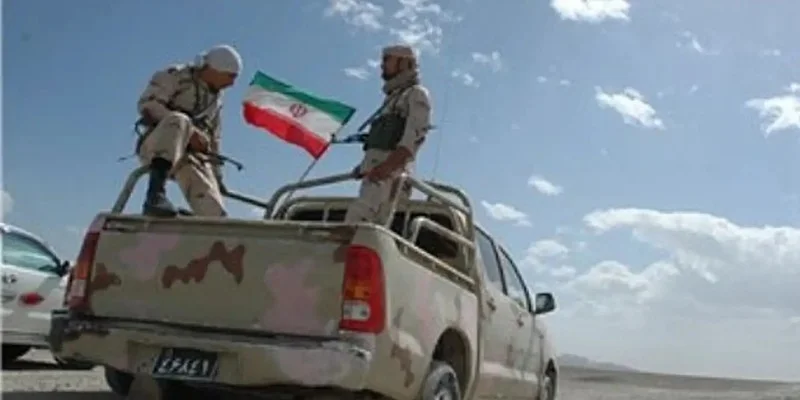
Iran’s Islamic Revolutionary Guard Corps (IRGC) has killed six people described by Iranian authorities as members of a “terrorist group” during an armed clash in Zahedan, the capital of southeastern Sistan and Baluchestan province, state media reported Thursday. The IRGC said explosive materials were also seized. Human rights organisation Haalvsh reported that fighting between security forces and armed individuals began early in the morning and continued for several hours. The identities of thos
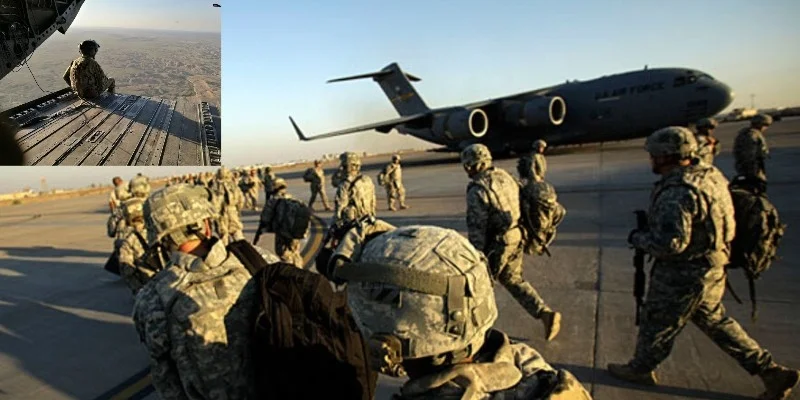
The United States has completed the withdrawal of its remaining troops and military equipment from Iraq, formally ending its 12-year anti-ISIS military mission. The final U.S. forces departed Erbil Air Base on September 30, with the Pentagon saying responsibility for confronting ISIS remnants and other security threats now rests primarily with Iraqi forces. The withdrawal marks a shift from the U.S.-led coalition mission to a bilateral security partnership between Washington and Baghdad
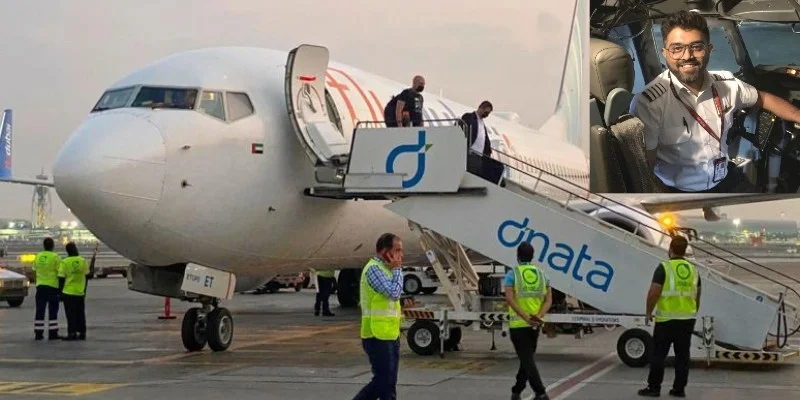
A Flydubai flight carrying around 150 passengers from Dubai to Tel Aviv made an emergency landing in Saudi Arabia’s Tabuk after a knife attack allegedly broke out between two pilots inside the cockpit. Israeli Prime Minister Benjamin Netanyahu said the attacking pilot apparently intended to crash the aircraft, while passengers helped restrain him and relief pilots took control of the plane. Both pilots were injured and taken to hospital. Flydubai confirmed a cockpit altercation and said
Saudi Crown Prince Mohammed bin Salman met UAE Vice President Sheikh Mansour bin Zayed Al Nahyan in Riyadh amid renewed Houthi attacks and months of tensions between the two Gulf allies over Yemen. The meeting comes as Saudi Arabia seeks greater coordination with regional and international partners against the Iran-backed Houthis.
Saudi airstrikes in Yemen’s Taiz province have killed and wounded dozens, according to Houthi-affiliated sources, while Yemen’s internationally recognized government said its forces targeted Houthi military positions in the area. The competing casualty and target claims could not be independently verified as fighting between the Iran-backed Houthis and government forces intensifies.
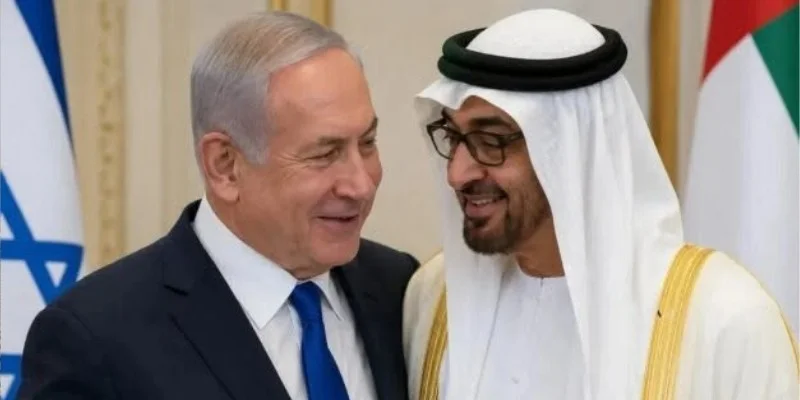
Israeli Prime Minister Benjamin Netanyahu made an unannounced visit to Abu Dhabi and met UAE President Sheikh Mohamed bin Zayed Al Nahyan, with talks reportedly focusing on bilateral ties and regional security, including Iran. The meeting also drew attention to disputed reports that Sheikh Mohamed had warned Netanyahu about a planned Hamas operation before the October 7, 2023, attack.